
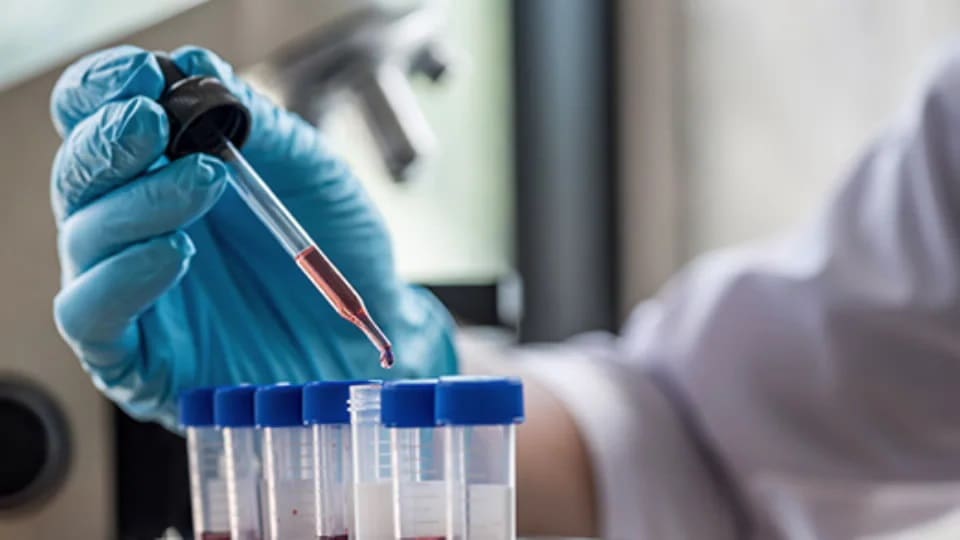
Human and plant cannabinoid testing serve very different purposes. Plant testing, such as with the chromatography-based THC test kits available at thctestkits.com, is designed specifically to measure cannabinoids like THC, CBD, CBG, and CBN in cannabis and hemp plant material or products made from it using thin layer chromatography (TLC) — a method that separates compounds to provide reliable visual results. In contrast, testing cannabinoids in humans (such as in saliva, blood, or urine) involves biological samples and analytical techniques used for medical or forensic purposes, which are not the focus of plant testing kits.
Testing the Human Body: Biological Metabolites
Drug testing kits designed for the human body (like those used for employment or roadside checks) do not usually look for the raw THC found in a plant. Instead, they look for Metabolites.
When you consume cannabis, your liver breaks down into a secondary chemical called THC-COOH (11-nor-9-carboxy-delta-9-tetrahydrocannabinol).
- The Mechanism: Most “instant” body tests use antibodies that are programmed to latch onto these specific metabolites.
- The Limitation: These tests are generally “binary” (Positive or Negative). They do not tell you how strong your cannabis was; they only confirm that your body processed it recently.
- Cross-Reactivity: Because they use antibodies, these tests can sometimes produce false positives if they mistake a similar-looking molecule (like a medication) for a THC metabolite.
Testing Plant Material: TLC Lab Supply’s Method
TLC Lab Supply has kits that use Thin Layer Chromatography (TLC). This is a scientific process used to separate a mixture into its individual components so they can be measured independently.
How Thin Layer Chromatography Works
Unlike a drug test that uses a chemical “yes/no” reaction, TLC physically moves the cannabinoids across a plate to reveal a “chemical fingerprint.”
- Extraction: You dissolve a small piece of plant material or oil in a specialized solvent.
- Stationary Phase: A small drop of this liquid is placed on a glass or plastic plate coated with silica.
- Mobile Phase: The plate is placed in a “developing jar” with a solvent. As the solvent climbs the plate via capillary action, it carries the cannabinoids with it.
- Separation: Each cannabinoid (THC, CBD, CBG, CBN) has a different molecular weight and polarity. Therefore, they travel at different speeds.
- Visualization: After the “run,” the plate is sprayed with a dye. Each cannabinoid appears as a distinct colored spot at a specific height (the value).
Why This is Better for Products
- Ratios: You can see exactly how much CBD is present relative to THC.
- Full Spectrum: A single test reveals the presence of minor cannabinoids like CBG (the “mother cannabinoid”) and CBN (the aging/sedative cannabinoid).
- Potency: By measuring the size and intensity of the spot against a template, you can estimate the percentage (%) concentration of the cannabinoids in the product.
Key Takeaway: * Use a Body Test if you need to know if someone consumed cannabis.
- Use a TLC Lab Supply Kit if you need to know what is inside your plant, oil, or edible.
Conclusion
Understanding the difference between human and plant cannabinoid testing is essential for choosing the right testing method. Human drug tests focus on metabolites to determine recent consumption and provide only a positive or negative result, offering no insight into product strength or composition. In contrast, plant testing using Thin Layer Chromatography (TLC) is designed to analyze cannabis and hemp products themselves. TLC-based test kits separate cannabinoids like THC, CBD, CBG, and CBN, delivering a clear visual profile of potency and ratios. When accuracy, transparency, and product verification matter, chromatography-based plant testing provides meaningful data that human-focused tests cannot.
Also, Read – Understanding Medical Authority in Mental Health Care