

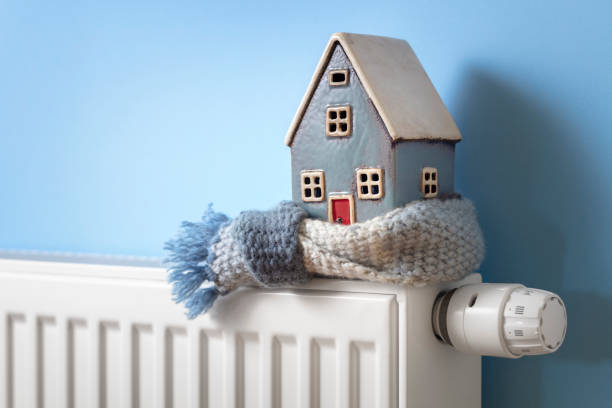
Improving home insulation is one of the smartest upgrades you can make. It lowers your monthly energy bills, makes your rooms feel more comfortable throughout the year, and even increases the resale value of your property. Many homes, especially ones built more than fifteen or twenty years ago, don’t meet modern standards of insulation. That means heat escapes in winter, rooms overheat in summer, and your HVAC system works harder than it should. The good news is that improving insulation doesn’t always require tearing down walls or doing a full renovation. A lot can be done step-by-step with proper planning.
Here’s a simple, detailed guide to understanding where insulation matters, how to upgrade it, and what to prioritize for the best results.
Start by Identifying Problem Areas
Before spending money on new insulation, it’s important to understand where your home is losing energy. Every house has weak spots. Some are obvious, like drafty windows or rooms that always feel too hot or cold. Others are hidden, such as gaps in the attic floor or uninsulated crawl spaces.
Make a checklist and examine key areas:
- Attic
- Walls
- Basement or crawl space
- Floors above garages
- Windows and doors
- Ductwork
- Electrical outlets and vents
Touching the walls can also tell you something. If certain sections feel unusually cold during winter, that often signals weak insulation. A thermal camera inspection—either through a contractor or a DIY compact thermal device—can highlight cold or hot spots clearly. The more you know upfront, the better you can direct your budget.
Prioritize the Attic First
Most industry experts agree: the attic gives the highest return on insulation improvement. Since heat rises, a poorly insulated attic allows warm air to escape in winter. In summer, outside heat enters the house from the roof and radiates downward, making upper floors hotter.
There are several options for attic insulation:
- Fiberglass batts: common, affordable, and easy to install
- Loose-fill cellulose: excellent for filling irregular spaces
- Spray foam: expensive but offers outstanding air sealing
The right choice depends on your budget and the condition of your attic. In many homes, simply adding extra insulation on top of the existing layer can make a huge difference. Make sure the attic is air-sealed as well. Small gaps around wiring, vents, or chimneys allow conditioned air to escape. Sealing these areas before adding insulation improves efficiency significantly.
Improve Wall Insulation When Possible
Wall insulation is tricky because walls are closed. However, there are effective techniques to upgrade them without large demolition. Blow-in insulation, such as cellulose or foam, can be added through small holes drilled into the drywall or exterior siding. This fills empty cavities with dense material that reduces heat transfer and blocks drafts.
Homes built decades ago often have minimal insulation inside walls. Improving this can create a noticeable difference in temperature stability. If you’re already planning a remodel, such as new drywall or repainting, that’s the best moment to upgrade wall insulation because accessibility is easier.
Seal Doors, Windows, and Draft Points
Even with the best insulation in the walls or attic, your home can still lose heat through gaps. Weatherstripping and caulking are simple, low-cost solutions that can reduce drafts and improve comfort almost instantly.
Key areas to seal include:
- Gaps around window frames
- Space under exterior doors
- Cracks around door frames
- Openings around electrical outlets on exterior walls
- Gaps near plumbing pipes and vents
Modern weatherstripping materials can last several years, and caulking can be done in an afternoon. It’s one of the easiest insulation upgrades and a highly cost-effective one.
Upgrade to Energy-Efficient Windows
Windows play a huge role in insulation. Older single-pane windows allow heat to escape easily and do little to block external temperature. Upgrading to double-pane or even triple-pane windows with Low-E coating can significantly reduce heat transfer.
If full window replacement isn’t within your budget, there are alternatives:
- Install insulating window films
- Use thermal curtains
- Add window caulking and weatherstripping
- Use storm windows as an additional barrier
Window improvements not only help with insulation but also reduce noise and improve security.
Strengthen Floor and Basement Insulation
Floors located above garages, crawl spaces, or unheated basements tend to feel cold. Adding rigid foam insulation or fiberglass batts beneath the floor can help maintain more consistent temperatures. Basements also lose a lot of heat if the walls aren’t insulated. Rigid foam boards or spray foam are commonly used for basement walls because these materials resist moisture.
A well-insulated basement prevents heat loss from the foundation and makes the ground floor more comfortable. It also helps maintain indoor air quality by reducing dampness.
Improve Duct Insulation
If your home has a central heating or cooling system, the ducts carry air throughout the house. When ducts are uninsulated or leaky—especially in attics or basements—you lose heated or cooled air before it even reaches your rooms. This forces your HVAC system to work harder, wasting energy and money.
Adding duct insulation and sealing connections with mastic tape can drastically improve system efficiency. Properly insulated ducts help maintain consistent temperatures across all rooms, reducing uneven heating or cooling.
Use Reflective Barriers in Hot Climates
If you live in a warm region, radiant barriers in the attic can be an excellent addition. These reflective layers reduce heat from the sun by reflecting radiant energy rather than absorbing it. Radiant barriers complement traditional insulation rather than replacing it, helping keep upper floors cooler.
Homes in regions with intense summers benefit the most from this upgrade, especially if the attic tends to get extremely hot.
Upgrade Your HVAC System and Thermostat
Insulation and HVAC performance go hand in hand. Even with proper insulation, an inefficient or oversized HVAC system can disrupt comfort levels. Consider upgrading to:
- A high-efficiency AC unit
- A heat pump
- A programmable or smart thermostat
A smart thermostat can optimize heating and cooling schedules based on your lifestyle. When insulation is improved, your HVAC system will run fewer cycles, and a smart thermostat helps fine-tune that efficiency.
Choose the Right Materials for Your Home
Different insulation materials suit different climates and budgets. Some materials, like fiberglass and cellulose, work well for most homes and are affordable. Spray foam gives superior performance because it seals gaps and insulates at the same time, but the cost is higher.
Factors to consider when choosing insulation:
- Climate conditions
- Moisture levels
- Space availability
- Budget
- Whether the area needs air sealing
Discussing your options with a professional can help prevent overspending while still achieving good performance.
Final Thoughts
Improving home insulation is a step-by-step process that pays off immediately and continues to deliver value for years. Whether you start with sealing windows, adding attic insulation, or upgrading basement walls, each improvement increases comfort and reduces energy consumption. A well-insulated home stays warmer in winter, cooler in summer, and performs better overall.
By identifying weak spots, choosing the right materials, and prioritizing high-impact areas like the attic and walls, you can build a more efficient living environment without unnecessary spending. Insulation isn’t just about saving money—it’s about creating a healthier, quieter, and more stable home for your family.