
Modern businesses depend on real time analytics to guide decisions that shape growth and customer experience and operational performance. Organizations no longer review reports at the end of the month because they need insights while events are still unfolding.
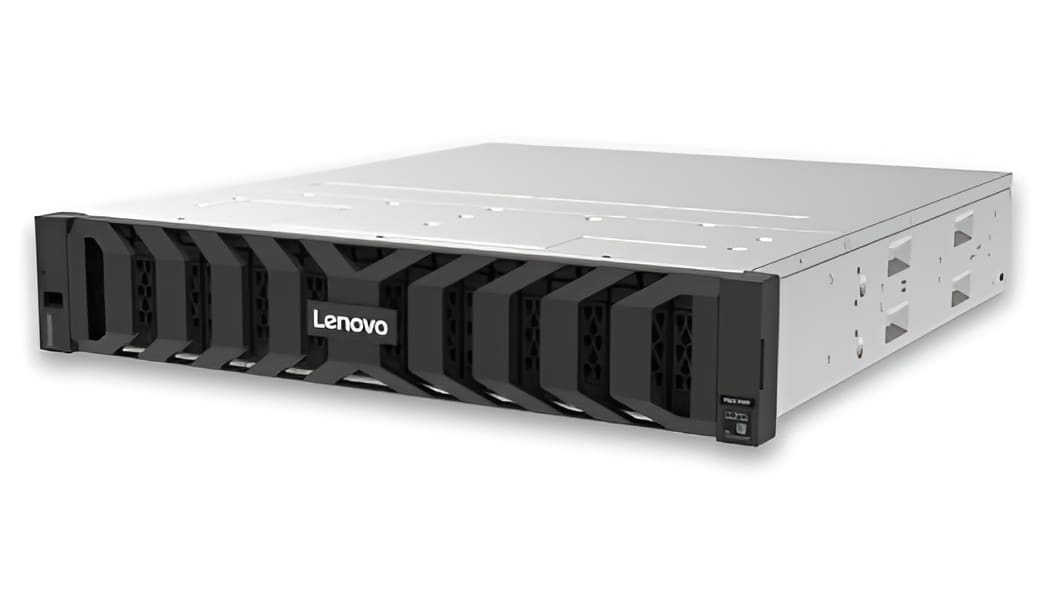
However real time analytics only works well when the infrastructure behind it responds quickly and reliably. That is where hybrid flash storage servers create real value for data driven organizations.
Hybrid flash systems combine high speed flash drives with high capacity traditional disks and this balance allows companies to process live data streams without delay while still managing large volumes of information efficiently.
As data continues to grow across industries businesses must design systems that support both speed and scale. When you align analytics platforms with the right storage servers you create an environment where data flows smoothly and insights arrive at the right moment.
1. Balance Speed and Capacity with Hybrid Architecture
Real time analytics demands instant data access and it also requires space to store historical information for trends and patterns. Hybrid flash architecture solves this challenge because it blends flash storage for active workloads with traditional drives for bulk storage. As a result teams can process live dashboards and machine data quickly while keeping long term records accessible.
Storage servers maintain the right balance between performance and cost by placing critical analytics queries on high-speed flash layers. They simultaneously move less active data to cost-effective disk layers to optimize resource usage. This intelligent data placement allows storage servers to sustain steady performance even as demand increases.
2. Optimize Data Tiering for Real Time Workloads
Data tiering plays a central role in improving performance. When systems automatically move frequently used data to faster flash storage applications respond without delay. At the same time background data shifts to slower disks without interrupting operations.
How Smart Tiering Improves Analytics Performance
- It places active data on flash layers for faster query results.
- It reduces load on primary storage resources.
- It maintains steady throughput during peak usage.
- It supports continuous data ingestion from multiple sources.
Because real time analytics often processes streaming data from sensors and applications and user interactions, intelligent tiering ensures that high value information stays within reach.
As a result analytics engines retrieve and process data quickly which supports timely decisions across departments.
3. Strengthen Data Ingestion Pipelines
Real time analytics begins with data ingestion. If your infrastructure cannot absorb incoming data streams efficiently, performance drops before analysis even starts. Therefore you must align ingestion pipelines with the capabilities of hybrid flash storage servers.
When you configure high speed write caching on flash layers systems capture incoming data without bottlenecks. At the same time background processes transfer stabilized data to capacity drives for long term storage. This structured flow prevents congestion and protects performance during traffic spikes.
Moreover strong ingestion pipelines help businesses handle growing data volumes from devices and online platforms and enterprise systems.
4. Enable Parallel Processing for Faster Queries
Real time analytics platforms often run multiple queries at the same time. Marketing teams analyze campaign data while operations teams monitor system health and finance teams review transactions. Therefore infrastructure must support parallel workloads without conflict.
Hybrid flash storage servers support parallel processing by distributing workloads across flash and disk layers. Flash handles high priority tasks that demand instant response while disk layers manage background queries and archival access. This separation reduces contention and ensures that critical analytics jobs receive the resources they need.
Furthermore when you integrate storage systems with scalable compute nodes you allow analytics engines to process large datasets in parallel. As a result dashboards update in real time and decision makers gain visibility across business functions.
5. Improve Data Protection Without Slowing Performance
Organizations cannot compromise data protection while chasing speed. However traditional backup methods often create delays that affect analytics performance. Therefore you must design protection strategies that align with hybrid flash environments.
Smart Protection Strategies for Analytics Systems
- Use snapshot technology on flash layers for quick recovery.
- Automate backup schedules during low activity periods.
- Monitor system health to prevent data corruption.
When you apply these strategies you protect valuable analytics data without reducing system speed. Because flash layers support rapid snapshot creation teams recover quickly from disruptions.
At the same time replication ensures business continuity across locations. This balance between protection and performance builds trust in analytics systems and supports confident decision making.
6. Monitor Performance and Adjust in Real Time
Even well designed systems require continuous monitoring. Real time analytics environments change as workloads shift and data volumes grow. Therefore IT teams must track performance metrics and adjust configurations proactively.
Modern hybrid flash storage servers provide built in monitoring tools that track latency and throughput and capacity usage. When teams review these insights regularly they identify potential bottlenecks before they impact users. For example if flash layers approach capacity limits administrators can rebalance workloads or expand resources.
Additionally performance monitoring supports smarter capacity planning. This proactive approach ensures that real time analytics continues to deliver reliable results across business units.
7. Align Infrastructure with Business Goals
Technology decisions must support business outcomes. Therefore organizations should evaluate how hybrid flash storage servers align with strategic objectives such as faster reporting and improved customer engagement and predictive maintenance.
When IT leaders collaborate with business teams they identify the analytics use cases that require immediate performance. For example ecommerce platforms depend on live inventory tracking and personalized recommendations. Manufacturing firms rely on sensor data to prevent equipment downtime.
By aligning infrastructure planning with business priorities companies create systems that drive measurable value. As a result, analytics investments move beyond technical upgrades and become tools for growth and innovation.
Conclusion
Real time analytics transforms how organizations operate because it turns live data into immediate insight. However strong analytics performance begins with strong infrastructure. Hybrid flash storage servers provide the balance of speed and capacity that modern workloads demand. When you optimize data tiering and strengthen ingestion pipelines and enable parallel processing and protect information intelligently, you create a stable foundation for continuous insight.
At the same time performance monitoring and strategic alignment ensure that your storage servers evolve alongside business growth. Every improvement you make in infrastructure directly influences how quickly teams respond to opportunities and challenges.
Ultimately streamlined real time analytics empowers people across your organization to act with confidence. When data flows without friction and insights arrive at the right moment your teams move forward with clarity and purpose.