
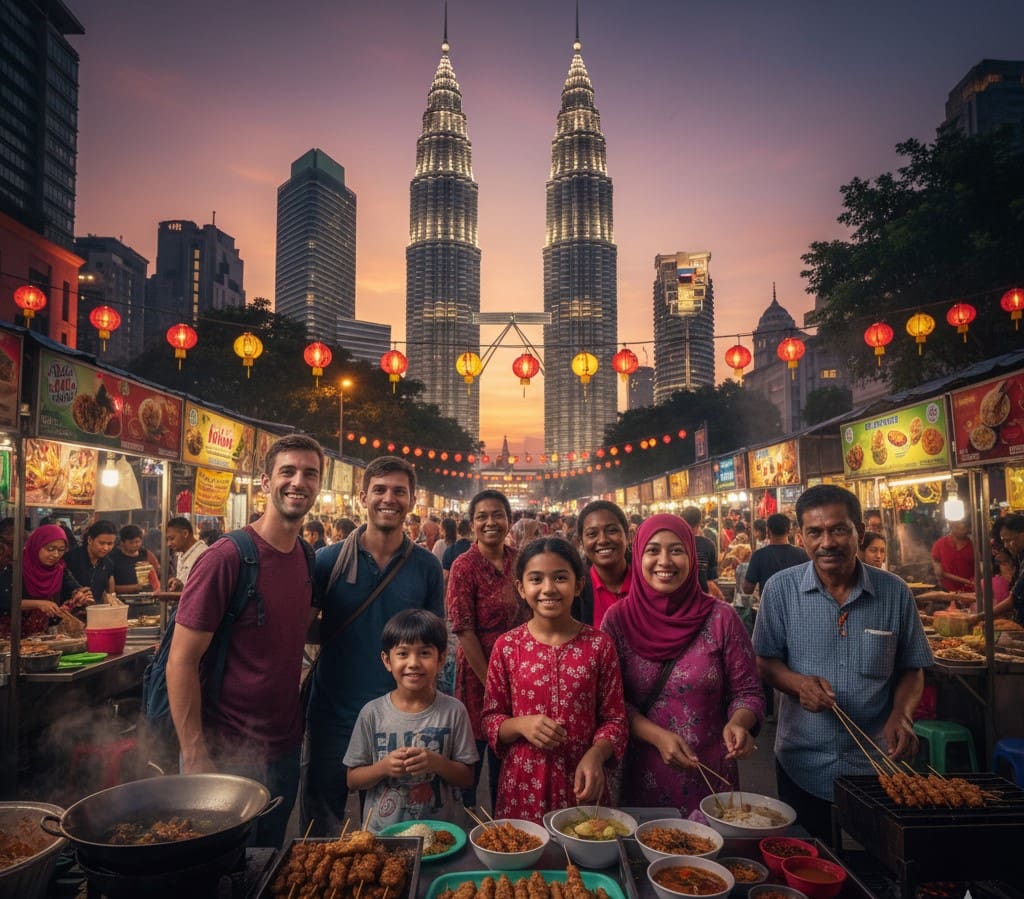
Picture this: You’re sipping a perfectly crafted latte at a trendy café, your laptop open as you wrap up work for the day. Outside, the tropical sun bathes the city in golden light. Your modern apartment costs less than half what you’d pay back home, yet it comes with a pool, gym, and stunning city views. Welcome to expat life in Malaysia—where affordability meets quality, and adventure is always just around the corner.
Over the past decade, Malaysia has quietly become one of Asia’s most attractive destinations for expats. From young professionals seeking career opportunities to retirees chasing tropical sunsets on a budget, people from all walks of life are discovering what makes this Southeast Asian nation so special. But what’s it really like to pack up your life and move halfway across the world?
Let’s dive into everything you need to know about living in Malaysia as an expat—the good, the challenging, and the downright delicious.
Why Expats Are Choosing Malaysia
Malaysia isn’t just riding the expat wave; it’s leading it. The country consistently ranks in the top 10 global destinations for expats, and the reasons become clear the moment you arrive.
Image Suggestion: Infographic displaying key statistics: “Malaysia at a Glance for Expats” showing cost of living comparison (40-60% cheaper than Western countries), English proficiency ranking, healthcare quality score, and safety index with colorful icons.
The country’s greatest strength lies in its diversity. With a harmonious blend of Malay, Chinese, and Indian cultures, plus indigenous communities and a growing international population, Malaysia offers a multicultural experience that few places can match. You’ll find mosques, temples, and churches on the same street, while the food scene represents a delicious fusion of Asian and Western influences.
But diversity aside, what really draws expats is the practical side of things. Malaysia boasts modern infrastructure, reliable internet (crucial for remote workers), excellent healthcare at affordable prices, and a tropical climate that means goodbye to winter coats forever. The strategic location doesn’t hurt either—you’re just a short flight from Thailand, Singapore, Indonesia, Vietnam, and beyond, making weekend getaways incredibly accessible.
English is widely spoken in urban areas, which smooths the transition for Western expats. While Bahasa Malaysia is the national language, you’ll navigate daily life perfectly well with English, especially in cities like Kuala Lumpur and Penang.
Understanding the Cost of Living
Let’s talk numbers—because this is where Malaysia truly shines for expats looking to stretch their money without compromising lifestyle.
Image Suggestion: Side-by-side comparison chart titled “Your Money Goes Further in Malaysia” showing what $2,000 USD buys in Malaysia vs. a Western city: apartment size, meals per month, transportation options, with visual representations like apartment floor plans and food icons.
Housing That Won’t Break the Bank
In Kuala Lumpur’s expat-friendly neighborhoods like Mont Kiara or KLCC, you’ll find one-bedroom apartments ranging from $350 to $900 USD monthly. That’s not a typo. For families, spacious three-bedroom condos with amenities like pools and gyms run between $700 and $1,400 USD per month.
Head to Penang or Johor Bahru, and prices drop even further. A comfortable two-bedroom apartment in Georgetown might cost just $500-700 USD monthly, complete with that tropical island lifestyle everyone dreams about.
Most rental properties targeting expats come furnished or semi-furnished, saving you the hassle and expense of buying furniture. Utilities—electricity, water, and high-speed internet—add roughly $70-115 USD to your monthly budget.
A Food Paradise for Every Budget
Here’s where living in Malaysia becomes truly enviable. You can enjoy incredible local cuisine at hawker centers for just $2-3 per meal. Nasi lemak for breakfast, char kuey teow for lunch, roti canai for dinner—your taste buds will thank you, and your wallet will barely notice.
Image Suggestion: Mouthwatering photo collage showing Malaysian street food favorites with price tags: roti canai (RM 2), nasi lemak (RM 5), char kuey teow (RM 8), and a mid-range restaurant meal (RM 40), demonstrating the range of affordable options.
Prefer international cuisine? Mid-range restaurants cost $8-15 USD per person, while upscale dining runs $20-40 USD—still significantly less than comparable restaurants in Western cities. Monthly grocery bills for a single person hover around $140-230 USD if you mix local markets with supermarkets for imported goods.
Getting Around
Malaysia’s public transportation has improved dramatically, especially in Kuala Lumpur. The LRT, MRT, and monorail systems make city navigation easy and cheap—most trips cost under $1.50 USD. Grab (Southeast Asia’s answer to Uber) is everywhere and incredibly affordable, with cross-city rides typically running $3-7 USD.
Many expats choose to own cars for convenience. While import taxes make vehicles more expensive than in some countries, fuel is relatively cheap at around $0.48 USD per liter, and parking is generally affordable or free at most condos.
The Bottom Line
Single expats live comfortably on $1,500-2,500 USD monthly, while families typically budget $2,500-4,000 USD. The upper range accounts for international school fees, which can be significant if you have children. Still, compared to Western countries or even neighboring Singapore, Malaysia offers exceptional value.
Navigating Visa Requirements
Before you start packing, you’ll need to secure the right visa. Malaysia offers several options depending on your circumstances.
Image Suggestion: Clean flowchart graphic titled “Find Your Perfect Malaysia Visa” with decision points: “Will you work?” → Employment Pass; “Long-term stay?” → MM2H; “Student?” → Student Pass, with icons for each category.
Employment Pass: For Working Professionals
If you’ve secured a job with a Malaysian company, you’ll apply for an Employment Pass. Your employer sponsors this visa, which typically requires:
- A relevant degree or professional qualifications
- Several years of work experience
- Minimum monthly salary of approximately $1,150-2,300 USD
- A confirmed job offer
The application process takes 2-4 weeks on average, and passes are usually valid for up to five years with renewal options.
Malaysia My Second Home (MM2H) Program
This long-term visa program attracts retirees and individuals who want to live in Malaysia without employment. The MM2H offers 5-10 year renewable residency for those meeting financial requirements, which include demonstrating liquid assets and monthly income thresholds.
Recent program updates have adjusted requirements, so it’s worth checking current criteria or consulting with visa specialists at applymalaysiavisa.com for the latest information.
Other Options
Students can apply for Student Passes through their educational institutions, while spouses and dependents of Employment Pass or MM2H holders can obtain Dependent Passes. Professional Visit Passes accommodate short-term work assignments.
Getting professional help with visa applications can save you time, stress, and potential rejections due to incomplete documentation. The team at applymalaysiavisa.com specializes in helping expats navigate the process smoothly.
Best Cities for Expat Living
Malaysia offers diverse living environments, each with its own personality and advantages.
Kuala Lumpur: The Urban Powerhouse
Image Suggestion: Split-screen photo showing KL’s duality: modern KLCC skyline on one side, and traditional street markets/colonial architecture on the other, representing the city’s blend of old and new.
Malaysia’s capital is where most expats land, and for good reason. Kuala Lumpur pulses with energy, offering the best job opportunities across industries like technology, finance, oil and gas, and education. The city boasts world-class shopping, diverse dining, and entertainment options that rival any global metropolis.
Neighborhoods like Mont Kiara have become expat havens, with international schools, Western restaurants, and a strong community feel. KLCC offers luxury living in the heart of the city, while Bangsar attracts a younger crowd with its hipster cafes and vibrant nightlife.
The downside? Traffic can be challenging during rush hours, and the city’s pace might feel overwhelming for those seeking quieter living.
Penang: Island Living with Urban Amenities
For expats wanting a more relaxed lifestyle without sacrificing modern conveniences, Penang is paradise. This island state combines UNESCO heritage sites in Georgetown with beautiful beaches, incredible street food, and a strong digital nomad community.
Penang’s cost of living is notably lower than KL, making it popular with retirees and remote workers. The smaller expat community feels more tight-knit, and the island’s size makes everything accessible. English is widely spoken, and the cultural scene—art galleries, festivals, and historical sites—keeps life interesting.
Johor Bahru: The Singapore Alternative
Right across the causeway from Singapore, Johor Bahru offers an intriguing proposition: Malaysian cost of living with access to Singapore’s job market. Many expats make the daily commute to work in Singapore while enjoying JB’s significantly lower expenses.
The city is developing rapidly with new infrastructure and residential projects, making it increasingly attractive to families and professionals alike.
Working Opportunities in Malaysia
Malaysia’s job market welcomes skilled foreign workers, particularly in sectors where local talent is scarce.
Image Suggestion: Horizontal bar graph showing “Top Industries for Expat Employment in Malaysia” with sectors like IT/Technology, Finance & Banking, Oil & Gas, Education, Healthcare, and Engineering, including average salary ranges for each.
The technology sector is booming, with both local startups and multinational tech giants establishing operations. Finance and banking remain strong, particularly in Kuala Lumpur’s central business district. The oil and gas industry, while cyclical, offers lucrative opportunities for experienced professionals.
Education is another major employer of expats, with international schools constantly seeking qualified teachers. Healthcare facilities recruit foreign specialists, while the hospitality industry needs experienced managers for hotels and resorts.
Salary expectations vary by industry and seniority. Mid-level professionals in IT or finance typically earn $1,850-3,500 USD monthly, while senior positions and specialized roles command significantly more. Many companies offer expat packages including housing allowances, annual flights home, and education subsidies.
The work culture blends Eastern and Western approaches. Relationships matter in business, hierarchy is respected, and while punctuality is valued, you’ll encounter the more relaxed concept of “Malaysian time.” Multinational companies tend to operate more in line with international standards.
Healthcare: Quality Care at Accessible Prices
One concern many expats have when moving abroad is healthcare quality. In Malaysia, you can breathe easy.
Image Suggestion: Professional photo of a modern private hospital lobby in Malaysia with glass architecture and greenery, overlaid with text showing cost comparisons: “Doctor Consultation: Malaysia $20 vs USA $150” and similar price differences.
Private hospitals in major cities meet international standards, with many holding JCI accreditation. Facilities like Gleneagles, Prince Court Medical Centre, and Pantai hospitals feature state-of-the-art equipment and English-speaking staff, including doctors trained in Western countries.
The costs are remarkably reasonable. A specialist consultation runs $18-45 USD, while procedures cost 50-80% less than in Western countries without sacrificing quality. This affordability has made Malaysia a medical tourism hotspot, with patients flying in from around the world for everything from dental work to major surgery.
Most expats carry health insurance, either international plans or local coverage. Annual premiums are surprisingly affordable, typically $1,000-3,000 USD depending on age and coverage level.
Cultural Life and Community
Moving to Malaysia isn’t just about visas and apartments—it’s about building a life and finding your community.
Malaysia’s multicultural society means you’ll experience festivals and celebrations year-round. Hari Raya, Chinese New Year, Deepavali, and Christmas are all public holidays, reflecting the country’s religious and ethnic diversity. This creates a fascinating, colorful lifestyle where every month brings new traditions to explore.
Image Suggestion: Warm, candid photo of diverse group of expats and locals socializing together at an outdoor gathering or community event, showing genuine smiles and interaction, emphasizing the welcoming community aspect.
The expat community is welcoming and easy to connect with. Facebook groups for expats in various cities are incredibly active, offering everything from housing tips to friendship connections. InterNations chapters host regular events, while sports clubs, hobby groups, and volunteering organizations provide structured ways to meet people.
Many expats find themselves naturally balancing friendships with both locals and fellow expatriates. Malaysians are generally warm and welcoming, curious about foreigners and often eager to share their culture and favorite local spots.
The Challenges: What You Should Know
Let’s be honest—no destination is perfect, and Malaysia has its quirks.
The tropical climate means constant heat and humidity. While air conditioning is ubiquitous, some people never fully adjust to the year-round warmth. Monsoon seasons bring heavy rainfall, particularly affecting the East Coast.
Bureaucracy can test patience. Government processes sometimes move slowly, and “Malaysian time” means deadlines and appointments can be more flexible than you’re used to. What takes days elsewhere might take weeks here.
Air quality occasionally suffers, particularly during haze season when forest fires in Indonesia affect the region. Traffic in Kuala Lumpur rivals any major Asian city, making rush hour commutes frustrating.
As a Muslim-majority country, Malaysia follows certain Islamic principles in law and social norms. This requires awareness and respect—modest dress in certain areas, understanding alcohol limitations, and being mindful during Ramadan.
Making Your Move: Practical Next Steps
Ready to take the leap? Here’s how to approach your move strategically.
Start by doing thorough research. Join expat Facebook groups, read forums, and if possible, visit Malaysia for an extended period to test different cities. This groundwork helps you make informed decisions.
Secure your visa next. Whether applying for an Employment Pass through an employer or pursuing MM2H independently, professional assistance streamlines the process. Visit applymalaysiavisa.com for expert guidance on visa applications and documentation requirements.
Image Suggestion: Clean, modern infographic showing “Your 90-Day Countdown to Malaysia” with timeline markers: 90 days (secure visa), 60 days (job search/housing research), 30 days (book flights/shipping), 14 days (medical/documents), arrival day (excitement!), with checkbox icons.
If you haven’t secured employment yet, begin your job search early. LinkedIn, JobStreet, and recruitment agencies specializing in expat placements are good starting points. Networking within your industry can also yield opportunities.
Plan finances carefully. Understand tax implications, set up international banking, and budget for initial setup costs including deposits, furniture, and early living expenses.
Your Malaysian Adventure Awaits
Living in Malaysia as an expat offers something increasingly rare in today’s world—the opportunity to significantly improve your quality of life while reducing expenses. The combination of modern amenities, cultural richness, natural beauty, and genuine affordability creates an experience that’s hard to match elsewhere.
Yes, you’ll face adjustments. The climate takes getting used to, bureaucracy can frustrate, and cultural differences require sensitivity. But ask any long-term expat, and they’ll likely tell you the same thing: the benefits far outweigh the challenges.
Whether you’re seeking career advancement, a lower cost of living, an adventure before settling down, or a comfortable retirement destination, Malaysia delivers. The food alone might be reason enough to stay—but throw in the friendly people, diverse experiences, strategic location, and financial freedom, and you’ve got a compelling package.
The real question isn’t whether Malaysia is perfect—no place is. The question is whether this unique blend of tropical living, cultural diversity, modern infrastructure, and affordability aligns with what you value most. For hundreds of thousands of expats from over 100 countries, the answer has been a resounding yes.
Ready to start your journey? The team at applymalaysiavisa.com is here to help you navigate visa requirements and make your transition to Malaysia as smooth as possible. Your new adventure starts now.
Frequently Asked Questions
How much does it cost to live in Malaysia as an expat?
Single expats typically live comfortably on $1,500-2,500 USD per month, covering housing, food, transportation, utilities, and entertainment. Families usually need $2,500-4,000 USD monthly, with the higher range accounting for international school fees if applicable. Malaysia’s cost of living is approximately 40-60% lower than most Western countries. Cities like Penang and Johor Bahru are even more affordable than Kuala Lumpur. Your exact budget depends on lifestyle choices—living like a local versus maintaining Western standards significantly impacts expenses.
Is Malaysia safe for foreign residents?
Yes, Malaysia is generally very safe for expats, with violent crime rates lower than many Western countries. The main concerns are petty crimes like snatch theft and pickpocketing in crowded tourist areas. Expat neighborhoods in major cities have excellent security, and serious crimes against foreigners are rare. Basic precautions include staying alert in crowded areas, avoiding flashy displays of wealth, and using registered taxis or Grab. Emergency services are reliable, and most expats report feeling secure throughout their stay.
What visa do I need to live and work in Malaysia?
For employment, you’ll need an Employment Pass sponsored by your Malaysian employer, requiring relevant qualifications, work experience, and a minimum salary threshold. For long-term residence without employment, the Malaysia My Second Home (MM2H) program offers 5-10 year renewable visas for those meeting financial requirements. Other options include Professional Visit Passes for short-term assignments, Student Passes, and Dependent Passes for family members. Visa requirements change periodically, so consult professionals at applymalaysiavisa.com for current, personalized guidance.
Do I need to speak Malay to live in Malaysia?
No, English proficiency is widespread in Malaysian cities, shopping centers, restaurants, healthcare facilities, and business environments. Most expats function entirely in English throughout their stay. However, learning basic Bahasa Malaysia phrases enhances daily interactions, shows cultural respect, and helps in local markets or rural areas. Many expats naturally pick up conversational Malay through immersion. Language schools are available for those interested in formal study, but it’s not necessary for comfortable daily living, especially in urban expat hubs.
What is healthcare like for expats in Malaysia?
Malaysia offers excellent healthcare, particularly in private hospitals that meet international standards and hold JCI accreditation. Major facilities in Kuala Lumpur, Penang, and other cities feature modern equipment and English-speaking staff, including internationally-trained doctors. Costs are 50-80% lower than Western countries—specialist consultations run $18-45 USD compared to hundreds elsewhere. Most expats use private healthcare with international or local insurance, with annual premiums ranging from $1,000-3,000 USD. The quality-to-cost ratio makes Malaysia a popular medical tourism destination and a major advantage for expat residents.
