
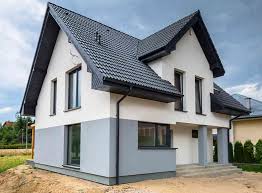
Monocouche render has become a preferred choice in modern architectural design thanks to its durability, through-colour finish, and ability to deliver crisp, contemporary façades. When specified correctly, it provides long-lasting performance while reducing maintenance demands for homeowners, developers, and commercial clients. For architects, understanding how to specify monocouche render effectively is essential to ensure predictable results on site.
In any successful specification, collaboration between architects and experienced render installers is crucial. Proper installation techniques, adherence to manufacturer guidelines, and accurate surface preparation all impact the final appearance and performance of the render. Clear communication at the design stage helps eliminate misunderstandings and ensures the chosen system performs as intended.
1. Understand the Performance Requirements
Before selecting a monocouche system, assess the performance criteria of your project:
- Thermal performance requirements
- Weather exposure levels (coastal, high rainfall, high wind areas)
- Substrate type (blockwork, brick, ICF, lightweight systems)
- Expected lifespan and maintenance expectations
This ensures that the chosen render meets structural, environmental, and aesthetic needs.
2. Choose the Right Render System
Not all monocouche products are the same. Different manufacturers offer blends tailored to:
- High-impact resistance
- Faster curing
- Improved water repellency
- Enhanced flexibility
Selecting the correct system reduces future risks such as cracking, staining, or premature wear.
3. Specify the Colour and Finish Early
Because monocouche render is through-colour, the shade you choose is permanent. It’s important to consider:
- Local planning requirements
- Surrounding buildings
- Lighting conditions on each elevation
- Compatibility with window frames, roof tiles, and cladding
Architects should always request colour samples and test panels to ensure the chosen tone suits the design vision.
4. Detail the Application Thickness
Monocouche render typically requires a specific thickness — usually around 15–20mm depending on the manufacturer.
Your specification should include:
- Base coat thickness
- Top coat thickness
- Reinforcement mesh requirements
- Scrape timing for the final finish
Clear detailing ensures uniformity and helps avoid disputes or misinterpretation on site.
5. Include Weather and Curing Conditions
To prevent installation issues, your specification should note ideal conditions for application:
- Temperature range (usually 5°C–30°C)
- Avoidance of direct sun during application
- Protection from rain and frost
- Correct curing time before scraping
Highlighting these requirements helps ensure a consistent and durable finish.
6. Specify Reinforcement Around Openings
Stress points such as windows, doors, and corners require reinforcement mesh and careful detailing.
Include in your specification:
- Mesh type
- Overlap requirements
- Placement around openings
- Required fixings
These details significantly reduce the likelihood of cracking.
7. Provide Clear Substrate Requirements
Your render system will only perform well when applied to a suitable substrate.
Your specification should outline:
- Minimum substrate strength
- Flatness tolerances
- Moisture content
- Pre-treatment or priming requirements
This ensures the installer prepares the surface correctly.
8. Require Manufacturer-Approved Installers
To achieve consistency, many manufacturers offer approved installer networks. Using them ensures the team has the correct training and experience.
This can be added as a line in your specification:
“Monocouche render must be installed by manufacturer-approved render installers following all system guidelines.”
This protects the architectural intent and reduces project risk.
9. Include Aftercare and Maintenance Recommendations
Even low-maintenance finishes benefit from routine care. Provide clients with:
- Cleaning guidelines
- Biocide treatment schedules
- Inspection recommendations
- Repair instructions for minor damage
This helps maintain long-term appearance and performance.
Specifying monocouche render correctly ensures your architectural project benefits from its full potential from a beautiful finish to long-term performance. By clearly outlining system requirements, collaborating with qualified render installers, and detailing substrate and weather considerations, architects can deliver clean, modern façades that stand the test of time.
