

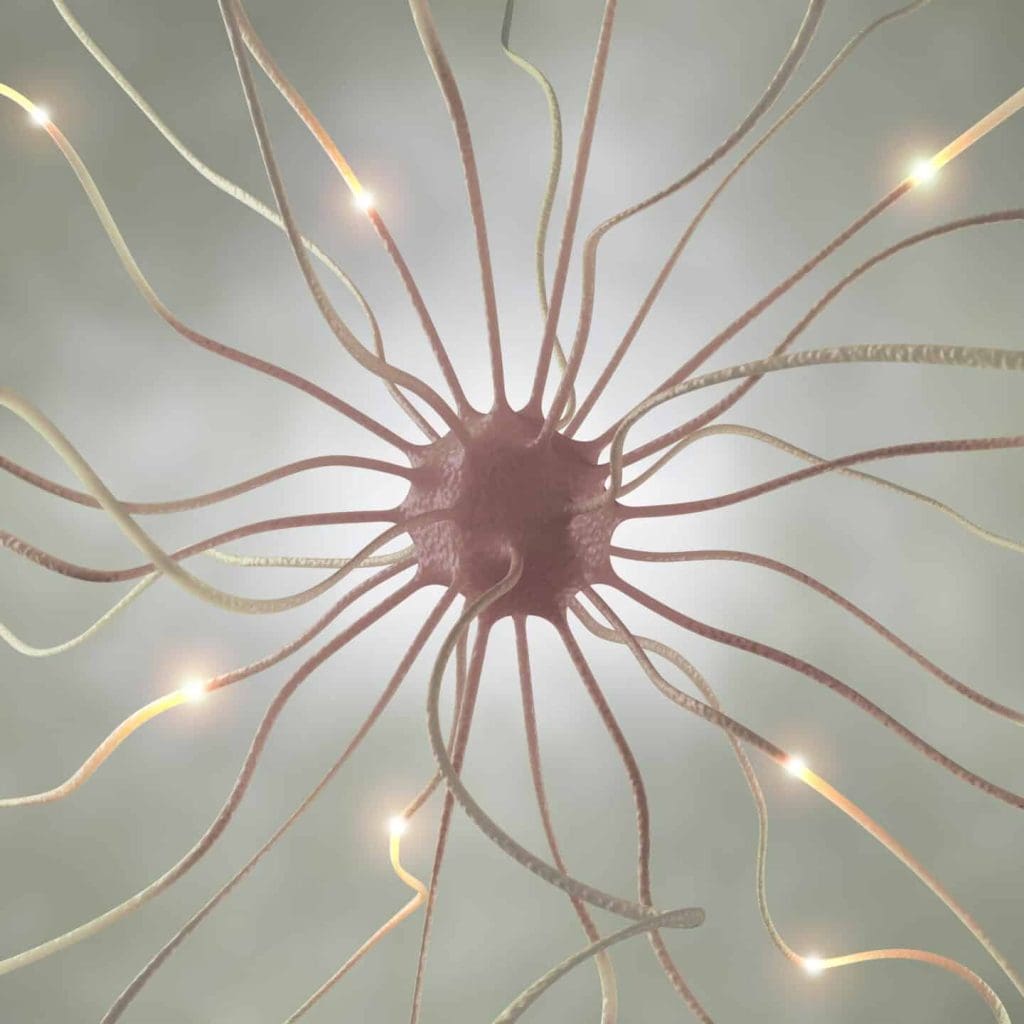
For a long time, the common belief was that adults could not change their brains. Your mental abilities were thought to be fixed from birth. Modern neuroscience has proven otherwise. The brain is capable of remarkable adaptation, growth, and reorganization. This ability is known as neuroplasticity.
Neuroplasticity allows the brain to form new connections, strengthen existing ones, and adapt in response to new experiences, learning, and habits. It can improve focus, memory, problem-solving skills, and emotional resilience, as well as support recovery from trauma or injury.
This guide explores six practical and science-backed ways to rewire your brain and enhance your mental performance.
What Is Neuroplasticity?
Neuroplasticity is the brain’s natural ability to change. When you repeatedly practice a skill, behavior, or thought pattern, your brain strengthens the related neural pathways. Over time, these pathways become more efficient, improving performance and cognitive function.
This flexibility exists at any age. While younger brains may adapt faster, adults can also experience significant brain changes through consistent practice.
Why Brain Rewiring Matters
Rewiring your brain has benefits beyond recovery from injury. It can help you:
- Improve focus, attention, and memory
- Reduce stress, anxiety, and depressive symptoms
- Strengthen learning and problem-solving skills
- Boost creativity and adaptability
- Prevent cognitive decline and support long-term brain health
With the right strategies, anyone can harness neuroplasticity to enhance brain function.
1. Play Video Games With Intention
Not all video games are harmful. Certain types of games, especially action, puzzle, and 3D exploration games, can boost cognitive function. These games improve memory, reasoning, motor skills, and decision-making.
Research shows that action games can enhance hippocampal function, which is essential for spatial memory and navigation.
How to use this strategy:
- Play puzzle games like Tetris or Portal to enhance problem-solving
- Try rhythm-based games to improve focus
- Keep gaming sessions limited to a few hours per week
2. Learn a New Language
Learning a second language challenges the brain and promotes neuroplasticity. It strengthens gray matter and improves white matter connections, which helps with attention, multitasking, and problem-solving.
Even adults benefit. Studies show that learning a language in adulthood can reduce the risk of cognitive decline and dementia.
How to start:
- Use apps like Duolingo or Babbel
- Join language exchange meetups
- Immerse yourself in media, travel, or local cultural experiences
3. Engage With Music
Playing or learning music activates multiple areas of the brain. It enhances mood, memory, motor skills, and emotional regulation.
Research shows that older adults who play music experience slower cognitive decline and higher brain plasticity than non-musicians.
Beginner-friendly instruments include:
- Ukulele for simple chord practice
- Keyboard for visual learners
- Harmonica for portable play
You can also start with free online tutorials before committing to lessons.
4. Explore New Places
Travel, even locally, stimulates the brain. New experiences challenge routines, engage all senses, and form new neural connections.
Ways to explore:
- Visit a new museum or park
- Try a different neighborhood or cuisine
- Take a short trip or use virtual reality apps
Novel experiences help the brain develop flexibility and strengthen cognitive function.
5. Exercise Regularly
Exercise benefits both the body and the brain. Aerobic activity increases blood flow, promotes the release of BDNF (Brain-Derived Neurotrophic Factor), and supports memory, learning, and mood.
A 2018 review in Neurology found that 150 minutes of moderate aerobic exercise per week improves brain structure and cognitive performance.
Ways to add movement:
- Brisk walks or jogging sessions
- Yoga or dance classes
- Short resistance exercises or stretching breaks
- Outdoor workouts for additional mental health benefits
6. Make Art or Doodle
Creating art enhances creativity, visual-spatial thinking, and emotional expression. Artistic activities improve communication between the left and right brain hemispheres and engage the default mode network, which supports idea generation.
Even beginners benefit from regular practice. Studies show increased connectivity in key brain areas after consistent art-making.
How to start:
- Sketch or doodle for a few minutes daily
- Follow beginner tutorials online
- Use adult coloring books or abstract painting for creative practice
FAQ About Rewiring the Brain
Is it possible to rewire the brain at any age?
Yes. Neuroplasticity occurs throughout life. Adults can strengthen existing pathways and create new connections with consistent practice.
How quickly do changes happen?
Minor improvements can appear within weeks, while significant changes may take months of consistent effort.
Do I need to do all six activities?
No. Focusing on one or two strategies consistently can be effective. Combining multiple activities can enhance results.
Can people recovering from brain injury use these strategies?
Yes, but it’s best to consult a healthcare professional for guidance tailored to individual needs.
Can technology help with brain rewiring?
Yes. Brain-training apps, language apps, and virtual reality experiences can support neuroplasticity when used intentionally.
Conclusion
Your brain is not fixed. Through neuroplasticity, you can improve cognitive performance, build resilience, and strengthen mental function.
Activities like purposeful video gaming, learning a new language, engaging with music, exploring new places, exercising, and creating art can all help form new neural connections and enhance brain function. Even small, consistent efforts can lead to significant long-term benefits. Start today with one strategy and gradually expand your practice to support a healthier, more adaptable brain.