

If you are reading this, you probably know the feeling of a mysterious pain that just will not quit. Maybe you have seen three different doctors. Perhaps you have tried internal physical therapy or taken enough ibuprofen to fill a bucket. Still, that heavy, burning, or aching sensation in your pelvis remains. It feels like your body has betrayed you.
Living with chronic pelvic pain is exhausting. It is not just the physical ache. It is the way it steals your social life, your intimacy, and your focus at work. You start to wonder if this is just your life now. But there is a massive piece of the puzzle that most traditional medicine misses.
Most treatments focus only on the muscles or the organs. They treat the body like a broken car engine. If they cannot find a broken part, they tell you nothing is wrong. But your pain is very real. The secret to reversing it often lies in your nervous system. You can actually retrain your brain to stop producing pain signals from the comfort of your living room.
Why Your Pelvis Stays in Pain
Chronic pain is different from acute pain. If you stub your toe, that is acute. Your nerves send a signal to your brain. Your brain says “ouch” and you move your foot. But chronic pain is like a smoke alarm that keeps screaming even after the fire is out.
Your pelvic floor is a highly emotional part of your body. It reacts to stress by tightening up. When you have been in pain for months, your brain becomes hyper-aware of that area. It starts to guard the pelvis. This guarding creates more tension. More tension creates more pain. This is called central sensitization.
Your nervous system has essentially learned how to be in pain. It has become too good at its job. The good news is that if your brain can learn pain, it can also learn safety. Reversing this at home involves teaching your brain that your pelvis is no longer under threat.
The Difference Between Structural and Functional Pain
Before you start a home routine, you need to understand what you are dealing with. Most people think their muscles are damaged. In reality, the muscles are often just tired and confused.
| Feature | Structural Pain (Injury) | Functional Pain (Chronic) |
| Timing | Happens suddenly | Lasts more than 3 months |
| Tissue Condition | Torn or broken | Usually healthy but tense |
| Healing Goal | Repairing the part | Retraining the system |
| Primary Driver | Physical trauma | Nervous system sensitivity |
| Best Approach | Rest and surgery | Movement and education |
As you can see, the chronic version requires a totally different mindset. You are not trying to fix a broken bone. You are trying to reset a sensitive alarm system. Often, using a structured pelvic program can help you navigate this reset without feeling overwhelmed.
The Power of Pain Science Education
The first step to healing at home is actually reading and learning. It sounds too simple to be true. But research shows that when people understand how pain works, their pain levels actually drop.
When you know that your pain does not mean you are breaking something inside, your fear goes down. Fear is fuel for pelvic tension. If you are afraid of the pain, your brain keeps the muscles tight to protect you.
Think of your brain like a protective parent. If the parent thinks there is a predator nearby, they will grab the child and hold on tight. Your brain is holding your pelvic muscles tight because it thinks there is a threat. Education tells the brain that the predator is just a shadow on the wall. Once the brain feels safe, it lets go.
Breathing Your Way to Relief
You have probably been told to just relax a thousand times. It is annoying advice when you are in agony. However, there is a specific way to breathe that acts like a manual override for your nervous system.
The diaphragm and the pelvic floor move together like a piston. When you inhale deeply, your diaphragm drops down. This pushes your organs down and your pelvic floor should naturally stretch and relax to make room.
Most people with chronic pain breathe shallowly in their chests. This keeps the pelvic floor in a lifted and tight position all day long. By practicing belly breathing for ten minutes a day, you are giving your pelvic floor a gentle, internal massage. You are also stimulating the vagus nerve. This nerve tells your body to switch from fight or flight mode into rest and digest mode.
Somatic Tracking and Mental Shifts
How do you react when you feel a flare-up? Most people freeze. They get angry. They start scanning their body to see how bad it is. This is called hypervigilance. It actually makes the pain worse.
Somatic tracking is a technique where you look at the pain with curiosity instead of fear. You sit quietly and notice the sensation. Is it hot? Is it tingly? Does it move? You tell yourself that this sensation is uncomfortable, but it is not dangerous.
By doing this, you are teaching your brain to stop reacting to the pain signals with a stress response. You are breaking the link between the sensation and the fear. Over time, the brain starts to ignore the signals because they are no longer important or threatening. Finding a reliable pelvic program makes a difference here because it guides you through these mental shifts step by step.
Moving Without Fear
Many people with pelvic pain stop exercising. They are afraid they will flare themselves. This leads to the muscles becoming even more sensitive. The key is to find safe movements.
You do not need intense gym sessions. You need gentle down-training movements. This might include a happy baby pose or a gentle child’s pose. The goal is not to get a workout. The goal is to show your brain that you can move your hips and pelvis without dying.
Consistency matters more than intensity. Doing five minutes of gentle stretching every single morning is better than doing an hour once a week. You are trying to build a new habit of safety in your body. This specific pelvic program focuses on these small, consistent wins rather than pushing your body too hard.
The Role of a Guided Path
It is hard to do this alone. You might get a flare-up and think you are doing it wrong. This is why a structured path is so helpful. It takes the guesswork out of the process.
A good home setup combines three things. It gives you the science so you understand the why. It gives you the how through specific exercises. And it gives you the when by setting a schedule.
Having a roadmap prevents you from spiraling into search engine results that only scare you more. It keeps you focused on the evidence-based tools that actually work for the nervous system. You can do it at your own pace without the stress of driving to appointments or dealing with insurance.
Lifestyle Factors and Environmental Triggers
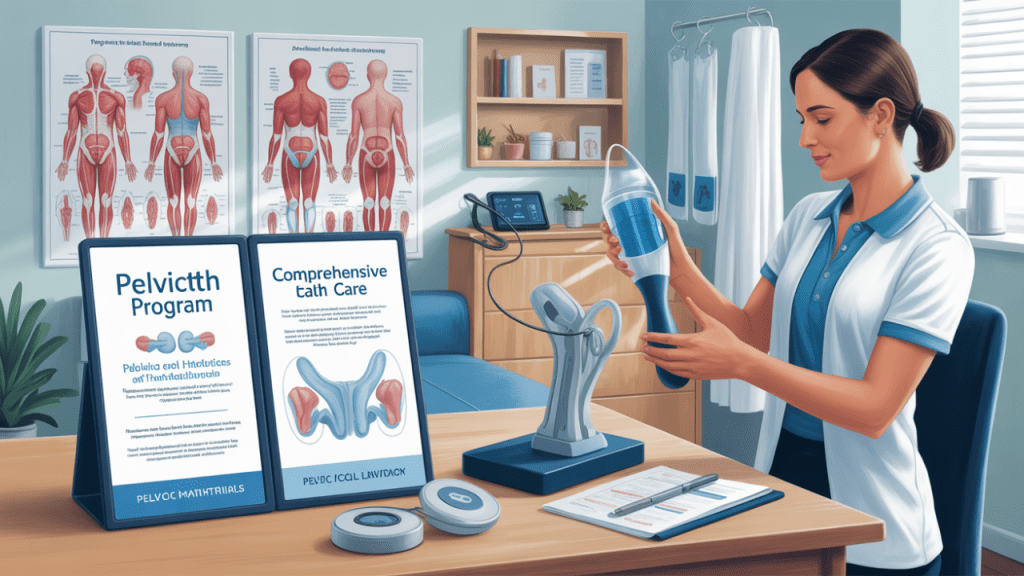
Your pelvis does not live in a vacuum. Everything you do affects your pain levels. Sleep is a huge factor. When you are sleep-deprived, your brain is more sensitive to pain. A bad night of sleep can make a low-level ache feel like a major crisis.
Diet and hydration also play a role. If you are constipated, your pelvic floor has to work much harder. This creates more tension. Drinking enough water and eating fiber helps keep things moving smoothly. It takes the pressure off the pelvic bowl and allows the nerves to rest.
Stress management is the final piece. If your job is making you miserable, your pelvis will feel it. You might not be able to quit your job, but you can find small ways to vent that stress throughout the day. Even taking two minutes to stand up and shake out your legs can help signal to your body that you are safe.
Understanding the Timeline of Healing
One of the biggest mistakes people make is giving up too soon. The nervous system is like a massive ship. It takes a long time to turn it around. You might have days where you feel great and then a day where the pain returns.
This is not a sign that you are back at square one. It is just a sign that your brain is still testing the waters. It is checking to see if you are really safe. If you stay calm during a flare, you are actually healing faster than if you panic.
Over time, these flares will become shorter and less intense. Eventually, your brain will stop sounding the alarm altogether. It requires patience and a belief that your body is not broken.
Putting It All Together
Healing chronic pelvic pain is a journey of a thousand small steps. It is about changing how you talk to yourself when you feel an ache. It is about choosing to breathe instead of clenching when you are stuck in traffic.
You have to be patient with your body. It took a long time for your nervous system to get this sensitive. It will take some time for it to settle back down. But the tools are already inside you. You just need the right framework to use them.
Do not let the pain define who you are. You are more than your symptoms. By using a mind-body approach, you can take the power back from the pain and start living your life again. You can start your journey with this pelvicSense Pelvic program today to find that missing structure.
- Knowledge is your best tool for reducing fear and tension in the pelvic region through pelvicsense.
- Belly breathing is the fastest way to calm a flared nervous system in the moment.
- Movement should be about relaxation rather than pushing through or ignoring pain.
- Consistency is the secret ingredient to changing your brain and your physical comfort.
- Flares are a normal part of healing and are not a sign of failure or re-injury.
- Your body is capable of significant change and healing at any age or stage of life.
- Trusting the process is half the battle when things feel slow or difficult.
Recovery is not a straight line. You will have good days and you will have frustrating days. That is okay. That is just how the human body works. Just keep showing up for yourself. Keep doing the breathing. Keep reading the science.
The goal is not just to be pain-free. The goal is to be fear-free. When you no longer fear the pain, the pain loses its grip on you. That is when the real healing begins. You have the power to change your story starting today.