
Most game ideas never move beyond the thinking stage. Creators spend too much time planning, refining, and overanalyzing instead of actually building something. Prototyping solves this problem by turning ideas into quick, testable versions that can be played and improved.
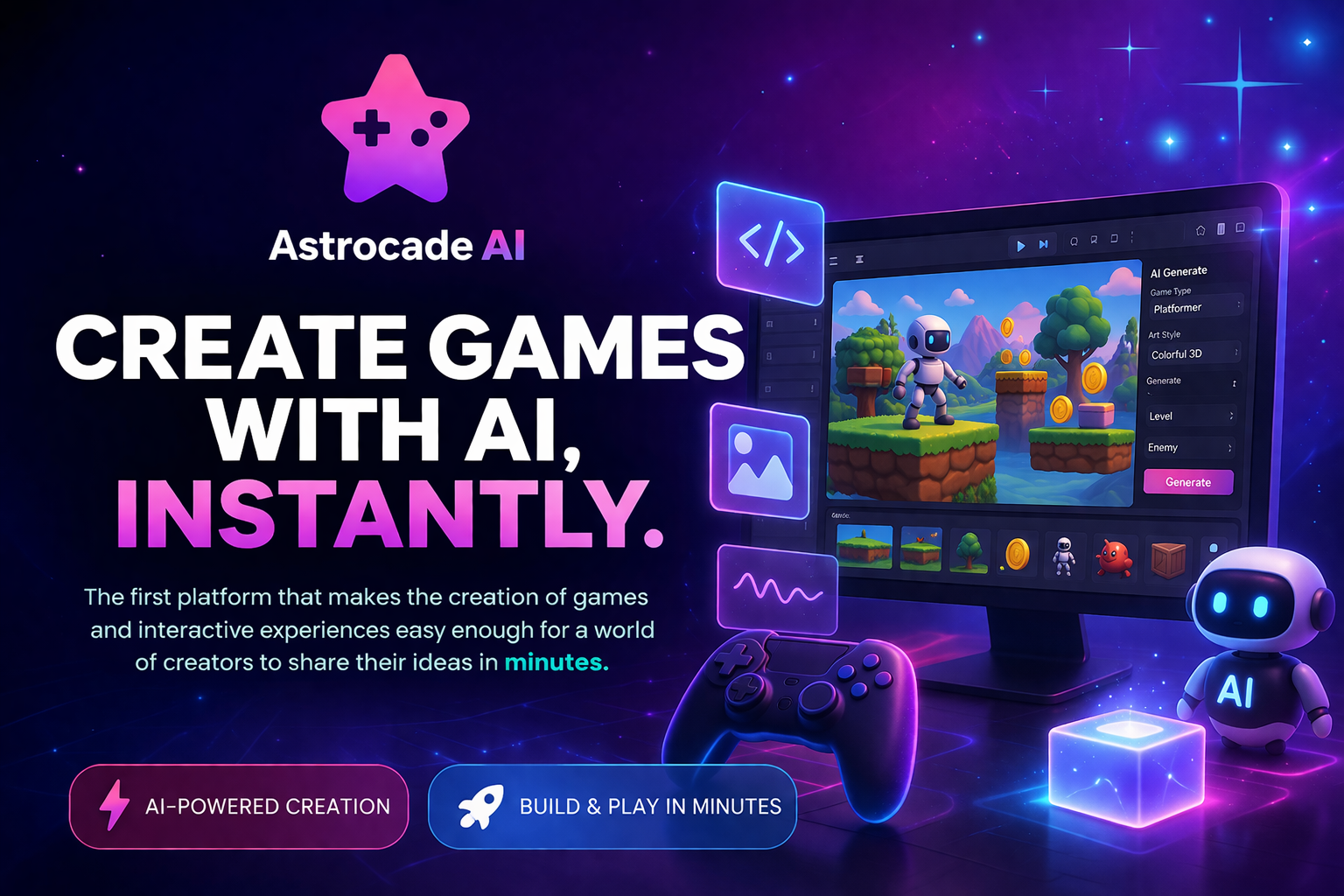
With modern tools like an AI game maker, prototyping is no longer slow or technical. You can now take an idea and turn it into a playable concept within minutes, making it easier to test, improve, and refine your ideas without wasting time.
What Prototyping Really Means in Game Creation
A prototype is not a finished game. It is a simple version that demonstrates how the idea works.
The purpose of a prototype is to:
- Test if the idea is engaging
- Understand how players interact
- Identify what needs improvement
It is about learning quickly, not building perfectly.
Why Speed Matters More Than Perfection
Many creators delay progress by trying to perfect ideas before testing them. This approach often leads to wasted time.
Fast prototyping allows you to:
- Validate ideas early
- Avoid building something that does not work
- Improve based on real interaction
Speed increases efficiency and reduces risk.
Start With a Single Playable Concept
Before using any tool, simplify your idea. A prototype should focus on one core concept.
Define:
- The main action the player will take
- The objective of the game
- The basic outcome
Keeping it simple makes prototyping faster and clearer.
Use AI Tools to Skip Manual Work
AI game makers remove the need for manual setup and technical configuration. This is where most of the time is saved.
With platforms like Astrocade, creators can:
- Instantly generate game structures
- Convert ideas into interactive formats
- Build prototypes without coding
This allows you to focus on creativity instead of process.
Building Addictive Progression and Tycoon Loops
A strong example of engaging progression systems can be seen in Blockfruit Grill Tycoon, a simulation game where players build and manage a food empire based on a quirky fruit-grill concept. The gameplay revolves around upgrading equipment, managing resources, and expanding the business over time. Each upgrade improves efficiency and unlocks new possibilities, creating a satisfying loop of earning, upgrading, and expanding. Its simplicity makes it accessible to beginners, while deeper optimization keeps long-term players engaged. The addictive nature of tycoon mechanics ensures that players keep returning to grow and improve, showing how a well-designed progression system can drive long-lasting engagement and replayability.
Build Only What You Need to Test
A prototype should include only the essential elements required to test the idea.
Avoid adding:
- Complex design features
- Extra mechanics
- Unnecessary details
The goal is to test the concept, not complete the game.
Interact With the Prototype Immediately
Once the basic version is ready, test it right away. Do not wait or overthink.
While testing:
- Observe how the interaction feels
- Check if the objective is clear
- Identify any confusion
Immediate feedback speeds up improvement.
Iterate Based on Real Experience
Prototyping is not a one time process. It involves continuous improvement.
You should:
- Adjust the core mechanic if needed
- Simplify confusing elements
- Strengthen what works well
Each iteration makes the idea stronger.
Create Multiple Prototypes Instead of One
Relying on a single idea limits your chances of success. Creating multiple prototypes gives you more options.
This approach helps you:
- Compare different concepts
- Discover better ideas
- Improve creativity
More prototypes lead to better outcomes.
Learn From User Interaction
If possible, share your prototype with others. Observing real users provides valuable insights.
You can learn:
- Where players lose interest
- What they enjoy the most
- How to improve engagement
User behavior is the best feedback.
Avoid Common Prototyping Mistakes
Many creators slow themselves down by making avoidable mistakes.
Common issues include:
- Trying to make the prototype look perfect
- Adding too many features
- Delaying testing
Keeping the process simple ensures faster results.
Turning Prototypes Into Full Games
Once a prototype proves successful, you can expand it into a complete game.
This involves:
- Adding more features gradually
- Improving design and experience
- Refining gameplay based on feedback
A strong prototype makes full development easier.
Conclusion
Prototyping game ideas instantly is now possible благодаря AI game makers. By focusing on simplicity, speed, and testing, creators can turn ideas into playable concepts within minutes.
With platforms like Astrocade, the process becomes fast and accessible, allowing creators to experiment freely and build better games through continuous iteration.