

Bringing a new puppy home is an exciting milestone, but when that puppy is exceptionally small, preparation becomes even more important. Teacup-sized dogs require a carefully planned environment that prioritizes safety, comfort, and routine. Their tiny bodies, curious nature, and emotional sensitivity mean that even everyday household features can present risks if not addressed in advance. Preparing your home properly helps ensure a smooth transition and sets the foundation for a healthy, stress-free life together.
This step-by-step guide walks through everything you need to do before welcoming a teacup Pomeranian into your home, from safety adjustments and supplies to routines and emotional preparation.
Understanding the Needs of a Very Small Puppy
Before making physical changes to your home, it is important to understand why preparation matters so much. Teacup pomeranian puppies are far more delicate than standard-sized dogs. Their bones are lighter, their energy reserves are smaller, and their tolerance for stress can be lower. Because of this, environments that feel normal to humans or larger pets can be overwhelming or dangerous for them.
Preparation is not about overprotecting; it is about removing avoidable risks and creating predictability. When a puppy feels safe and secure, training and bonding become much easier.
Creating a Safe Living Space
The first step in home preparation is identifying potential hazards. Furniture edges, slippery floors, exposed wires, and open staircases can all pose risks to a very small dog. Puppies explore with curiosity, and teacup Pomeranians are no exception.
Using non-slip rugs, blocking off stairs, and securing loose cables helps reduce accident risks. If your home has elevated furniture, consider using pet stairs or ramps to prevent jumping. Creating a controlled, puppy-safe zone allows your new companion to explore without constant danger.
Setting Up a Comfortable Resting Area
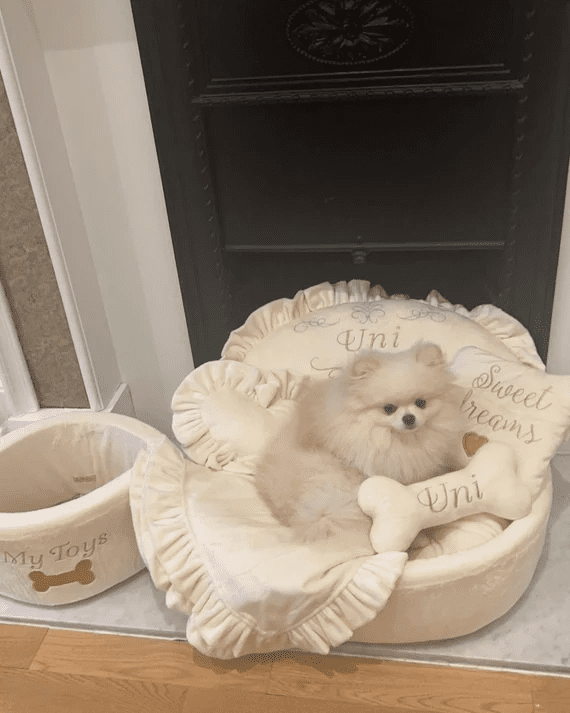
A dedicated resting area gives your puppy a sense of belonging and security. Choose a quiet corner away from heavy foot traffic and loud noises. A soft, supportive bed designed for small dogs helps protect joints and encourages proper rest.
This area should remain consistent so the puppy learns where to relax and sleep. Consistency in resting spaces reduces anxiety and helps establish early routines. Adding a light blanket or familiar scent can further increase comfort during the adjustment period.
Organizing Feeding and Water Stations
Feeding areas should be calm, accessible, and free from distractions. Teacup Pomeranians benefit from predictable feeding routines, so placing bowls in the same location each day helps reinforce structure.
Use shallow, lightweight bowls that are easy for a small puppy to reach. Fresh water should always be available, but bowls should be monitored to prevent spills that could create slippery surfaces. Keeping feeding areas clean and consistent supports both health and training.
Planning for Temperature Comfort
Very small dogs are more sensitive to temperature changes. Drafty areas, cold floors, and direct heat sources can cause discomfort. Maintaining a stable indoor temperature is essential, especially during the puppy’s early months.
Provide warm bedding during cooler seasons and ensure shaded, well-ventilated spaces during warmer periods. Avoid placing beds near heaters or air conditioning vents. A comfortable temperature contributes significantly to overall well-being.
Preparing for House Training
House training begins the moment your puppy arrives home. Because teacup-sized dogs have small bladders, preparation is especially important. Decide in advance whether you will use outdoor breaks, indoor pads, or a combination of both.
Designating a specific potty area helps reduce confusion. Keeping cleaning supplies readily available allows you to respond calmly to accidents, which are a normal part of early training. A prepared approach prevents frustration and supports consistent learning.
Choosing the Right Toys and Enrichment
Mental stimulation is just as important as physical safety. Teacup Pomeranians are intelligent and curious, and appropriate toys help channel that energy productively. Choose toys designed specifically for small dogs to avoid choking hazards or excessive weight.
Soft chew toys, interactive puzzles, and gentle play items support development without overwhelming the puppy. Rotating toys occasionally keeps interest high while preventing overstimulation.
Managing Noise and Stimulation Levels
New environments can feel overwhelming, especially in busy households. Sudden loud noises, constant movement, or frequent visitors can increase stress during the adjustment period. Creating a calm atmosphere helps your puppy settle more easily.
Limit exposure to excessive noise initially and introduce new experiences gradually. Soft background sounds and predictable routines help your puppy feel secure. Over time, controlled exposure to everyday household activity builds confidence.
Preparing Family Members and Visitors
Everyone in the household should understand how to interact safely with a very small puppy. Gentle handling, calm movements, and supervision are essential. Children should be taught to sit on the floor when interacting and to avoid lifting the puppy without assistance.
Setting clear expectations for visitors also helps prevent accidental injuries. A prepared household creates a supportive environment where the puppy can thrive.
Planning for Supervision and Daily Routines
Consistency is key during the first weeks at home. Planning daily routines for feeding, play, rest, and training helps your puppy understand what to expect. Predictable schedules reduce anxiety and support faster adjustment.
Supervision is especially important during free exploration. Using playpens or gated areas allows freedom without compromising safety. Thoughtful supervision builds trust while preventing accidents.
Emotional Preparation and Patience
Preparing your home is only part of the process; emotional readiness matters just as much. Teacup Pomeranians often form strong attachments and may need reassurance during the transition to a new environment.
Patience, calm responses, and gentle encouragement help build confidence. Understanding that adjustment takes time allows you to approach challenges with empathy rather than frustration.
Considering Long-Term Needs
Home preparation should account not only for puppyhood but also for long-term living. As your dog grows, routines and spaces may need small adjustments, but safety and consistency remain priorities.
Before actively looking at pomeranian puppies for sale, ensuring your home and schedule can support a small dog long-term helps prevent future stress. Thoughtful planning now leads to a more stable and rewarding experience later.
Final Thoughts
Preparing your home for a teacup Pomeranian puppy is a proactive step that directly impacts their safety, confidence, and overall well-being. By addressing potential hazards, establishing routines, and creating a calm environment, you set the stage for a positive transition into your household.
With careful preparation and patient care, your home can become a secure and welcoming space where your puppy feels protected, loved, and ready to grow into a happy companion.