
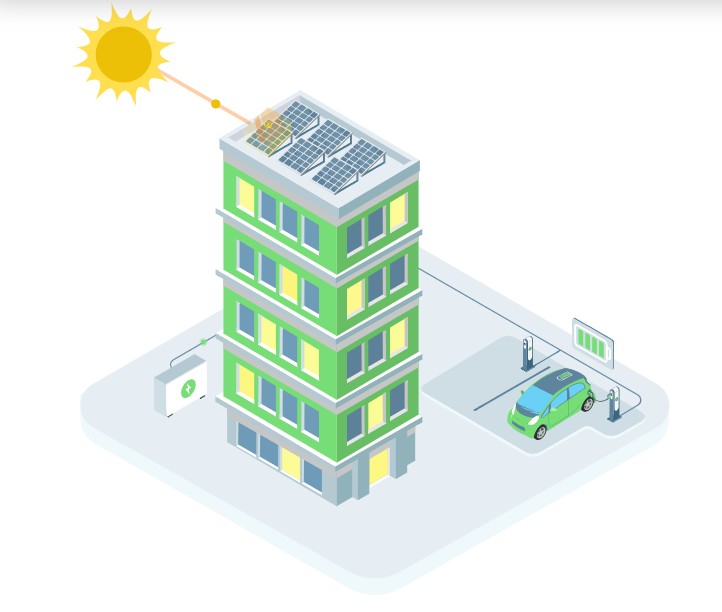
The Section J NCC and section j energy efficiency standards are critical frameworks for anyone involved in commercial construction or major renovations across Australia. These regulations ensure that modern structures meet minimum thermal performance levels to reduce greenhouse gas emissions and operational costs. Greenticko provides expert ESD consulting and thermal assessments to help developers navigate these complex requirements with ease. By understanding the nuances of the Section J NCC, builders can create sustainable environments that are both legally compliant and cost-effective. Greenticko is a leading Australian firm specializing in building thermal assessments and ESD consulting, offering creative, tailored solutions that prioritize buildability and technical excellence.What Exactly is Section J NCC in the Building Code?
Section J refers to the specific part of the National Construction Code (NCC) Volume One that focuses on energy efficiency for non-residential buildings. This includes classes 3 through 9, covering everything from hotels and offices to warehouses and schools. The primary goal is to ensure that the building fabric and services are designed to minimize energy use while maintaining occupant comfort.
When we talk about the Section J NCC, we are looking at a comprehensive set of rules that govern how a building “breathes” and retains temperature. It is not just about a single wall or a window; it is an integrated look at the entire building envelope. From the insulation in the roof to the seals on the doors, every element plays a role in the final compliance report.
The NCC 2022 updates have made these standards even more stringent. There is now a much greater focus on thermal bridging, stricter glazing requirements, and the introduction of infrastructure for electric vehicle charging. For developers, this means that early-stage planning with a consultant like Greenticko is more important than ever to avoid costly retrofits later in the construction phase.
Understanding the Core Requirements of Section J
The section j standards are divided into several parts, each targeting a specific area of energy consumption. Understanding these “Parts” is the first step toward a successful compliance strategy.
Part J1 focuses on the building fabric. This includes the thermal performance of roofs, walls, and floors. You must meet specific Total R-Values depending on the climate zone where the building is located. A building in the snowy peaks of New South Wales has vastly different insulation needs than a warehouse in the tropical heat of Queensland.
Part J3 covers building sealing. This is often an overlooked area but is vital for preventing uncontrolled air leakage. You must ensure that chimneys, flues, windows, and doors are properly sealed to prevent the expensive “leaking” of air-conditioned or heated air.
Part J5 and J6 dive into the mechanical services. This includes air-conditioning, ventilation, and heated water systems. The efficiency of the plant equipment and the insulation of the ductwork are scrutinized here to ensure the building doesn’t waste energy through inefficient machinery.
Part J7 deals with artificial lighting and power. There are maximum allowable lighting power densities (watts per square meter) for different room types. By using modern LED technology and smart sensors, most buildings can easily exceed these minimum requirements.
Choosing Your Path: DtS vs JV3 Performance Solutions
There are two main ways to prove that your building meets the Section J NCC standards. Each has its own set of benefits depending on the complexity of your architectural design.
The first is the Deemed-to-Satisfy (DtS) pathway. This is essentially a checklist approach. If your materials and systems meet the prescriptive values listed in the code, you pass. It is straightforward and predictable, making it a great choice for simpler structures like standard warehouses or small retail outlets.
The second is the JV3 Verification method. This is a performance-based approach that uses computer thermal modeling to simulate the building’s energy use. This path offers immense design flexibility. For example, if you want to use more glass than the DtS provisions allow, you can “offset” that energy loss by using more efficient air-conditioning or better roof insulation.
Greenticko specializes in helping clients decide which pathway is the most cost-effective for their specific project. You can find more information about their approach at https://greenticko.com.au/.
Pros of Rigorous Section J Compliance
Adhering to high energy standards is often seen as a hurdle, but it offers significant long-term value for building owners and occupants alike.
Lower Operational Costs: A well-insulated and sealed building requires much less energy to heat and cool. This leads to lower utility bills for the entire lifespan of the structure.
Increased Property Value: Buildings with high energy efficiency ratings often command higher rents and better resale prices. They are more attractive to corporate tenants who have their own sustainability targets to meet.
Occupant Comfort: Proper compliance reduces drafts, cold spots, and overheating. This creates a much more pleasant environment for employees or residents, which can improve productivity and health.
Future-Proofing: By meeting or exceeding the current section j standards, you protect your investment against future regulatory changes and rising energy costs.
Environmental Impact: Reducing energy consumption is one of the most effective ways to lower the carbon footprint of the built environment, contributing to national net-zero goals.
Cons and Challenges of Section J Implementation
While the benefits are clear, there are undeniable challenges that developers face when aiming for Section J NCC compliance.
Higher Initial Material Costs: High-performance glazing and thick insulation can increase the upfront cost of construction materials compared to non-compliant alternatives.
Design Constraints: The DtS pathway can be quite restrictive regarding window sizes and building shapes, which might clash with a specific architectural vision.
Complex Documentation: Gathering all the required data for a Section J report—including U-values, R-values, and lighting densities—can be a time-consuming administrative task.
Requirement for Specialists: You cannot simply “guess” compliance. It requires professional engineers and consultants to perform calculations and modeling, which adds to the project’s consultancy fees.
Coordination Difficulties: Ensuring that the architect, the mechanical engineer, and the builder are all on the same page regarding energy specs can lead to communication gaps.
Expert Tips for a Smooth Section J Report Process
The key to a stress-free compliance process is integration and early action.
Start the assessment during the schematic design phase. If you wait until the Construction Certificate stage to check for section j compliance, you might find that your beautiful glass facade is legally impossible to build without major changes.
Always account for thermal bridging. The NCC 2022 has strict rules about how steel frames can conduct heat away from the building. Ensure your insulation plan accounts for these gaps.
Focus on the building envelope first. It is much cheaper to add a little more insulation during the build than it is to install a more expensive, high-capacity HVAC system to compensate for a “leaky” building.
Keep detailed records of all material specifications. Your consultant will need the exact data sheets for your windows and insulation to produce an accurate report.
Leverage the expertise of a specialized firm. Working with a company like Greenticko ensures that you get a report that is not only compliant but also optimized for your specific budget.
Final Verdict: Is Section J Worth the Effort?
In the modern Australian construction landscape, the Section J NCC is more than just a mandatory hurdle; it is a blueprint for better building. While the technical requirements for section j can be dense, the result is a structure that is cheaper to run, more comfortable to live in, and better for the planet.
For developers and builders, the initial investment in a high-quality Section J report pays for itself through avoided rework and enhanced marketability. Whether you choose the prescriptive DtS route or the flexible JV3 modeling, the goal remains the same: creating a sustainable future for Australia’s commercial sector.
By partnering with experts like Greenticko, you can turn a complex regulatory requirement into a competitive advantage for your next building project. Designing for a better tomorrow starts with making responsible, energy-efficient choices today.