
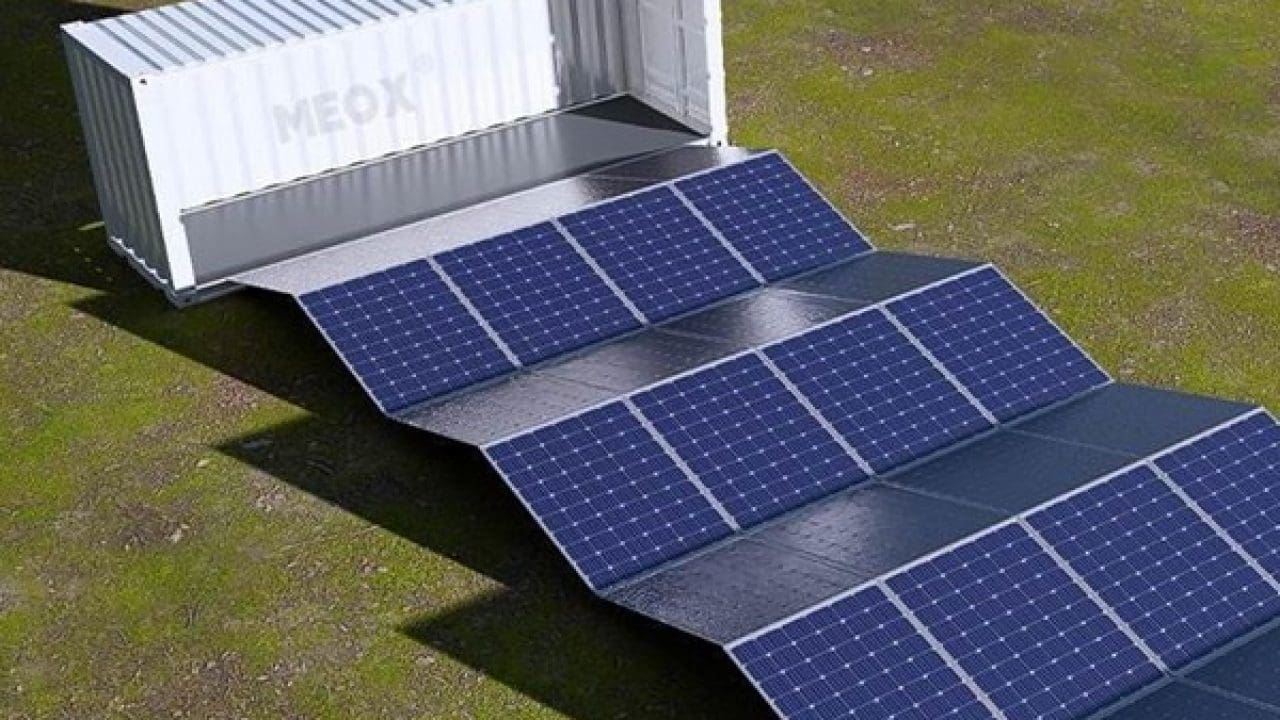
A mobile solar unit is one of the most practical and sustainable ways to generate clean electricity anywhere you need it. Whether it’s powering remote work sites, supporting off-grid homes, or supplying energy during emergencies, these systems are designed for reliability and convenience. But to get the most out of them, it helps to understand how they work and how a few simple habits can improve their efficiency.
A mobile solar container offers a compact, ready-to-use renewable power solution that can be deployed quickly, even in challenging environments. With the right setup, placement, and maintenance, you can optimise performance and ensure consistent, long-term power output.
Below is a simple guide to help you maximise energy production so your system delivers peak performance year-round.
1. Choose the Best Location for Maximum Sunlight
Like all solar systems, placement matters. The container’s panels need clear, unobstructed access to sunlight throughout the day.
Ideal conditions include:
- A south-facing orientation (in the Northern Hemisphere)
- No shading from trees, buildings, hills, or equipment
- A stable, level surface
- Enough space for panels to fully unfold without obstruction
Even partial shading can reduce output significantly. If the panels have sun-tracking features, such as those found in a solar PV container, make sure there’s room for full movement as the system follows the sun.
2. Keep the Panels Clean for Consistent Efficiency
Dust, salt spray, bird droppings, and debris can all block sunlight. Over time, a thin layer of dirt may reduce panel efficiency by 5–20%.
Regular cleaning helps prevent this.
- Use soft water and a microfiber cloth
- Avoid harsh chemicals or abrasive brushes
- Rinse panels gently to remove sand and salt
- Clean more frequently during dry or coastal seasons
If your container is installed near the ocean, adopting a monthly cleaning routine helps protect efficiency from salt buildup.
3. Use Smart Energy Storage Practices
Your mobile solar unit likely includes integrated battery storage. To maximise daily output, it’s essential to use and maintain the battery correctly.
Tips for optimal performance:
- Avoid draining batteries fully
- Prevent overheating by ensuring airflow around the container
- Keep charge cycles consistent
- Use battery management settings provided by the system
- Store the unit in shade when not in use for long periods
High-quality batteries perform best when kept within a safe temperature range and charged gradually through the solar system.
4. Monitor Power Usage to Avoid Overloading
One of the biggest ways to maintain energy efficiency is matching your power usage with what the system can sustainably provide.
Prioritize:
- Low-energy appliances
- LED lighting
- Efficient pumps, tools, and electronics
- Shorter run times for heavy equipment
Using more electricity than the container can generate leads to faster battery depletion and reduced performance. Tracking usage through the system’s built-in dashboard gives you real-time insights into consumption patterns.
5. Use Energy During Peak Generation Hours
Solar panels produce the most power between late morning and mid-afternoon. If you have equipment that uses more energy, this is the best window to run it.
For example:
- Charging power tools
- Running refrigeration
- Operating pumps or machinery
- Powering communication systems
Using heavy loads during peak sunlight allows the batteries to stay full longer and reduces strain on the system.
6. Maintain Proper Airflow Around the System
Both panels and batteries operate more efficiently when kept cool. Heat buildup can lower output and shorten battery lifespan.
To prevent overheating:
- Install the container in an open space
- Allow ventilation around all sides
- Ensure battery compartments remain unobstructed
- Avoid placing the unit near reflective metal surfaces
Good airflow is especially important in hot climates or during summer seasons.
7. Keep Cables, Connectors, and Components Secure
Loose or damaged connections can affect how efficiently power flows through the system.
Inspect regularly for:
- Frayed cables
- Loose connectors
- Corrosion
- Moisture buildup
- Rodent damage
Most issues can be corrected quickly when caught early, preventing downtime or power loss.
8. Use the Built-In Tracking or Tilt Features
If your system includes adjustable tilt or tracking functions, use them daily for maximum output.
Tilt adjustments:
- Steeper angles in winter
- Flatter angles in summer
Tracking systems:
- Automatically follow the sun
- Increase total daily energy production
- Reduce manual adjustments
Tilting or tracking helps capture more sunlight, especially in regions with shifting seasonal angles.
9. Plan for Seasonal Sunlight Changes
Sunlight intensity changes throughout the year. To maximise energy output:
- Adjust tilt angles seasonally
- Increase cleaning frequency during pollen or dry seasons
- Relocate the container slightly if shading patterns change
- Store more energy during the winter months when daylight is shorter
A bit of seasonal planning ensures stable performance year-round.
10. Combine Your Container with Energy-Saving Habits
Even with a high-output solar container, the best results come from efficient energy use.
Simple habits include:
- Turning off appliances when not in use
- Running high-demand devices only when necessary
- Using appliances that match the inverter rating
- Switching to solar-friendly electronics
These small changes help the system run longer on less energy.
11. Consider Adding a Backup or Auxiliary System
For locations with unpredictable weather or longer periods of cloudiness, having a backup source can be helpful.
Options include:
- Supplemental battery packs
- Small wind turbines
- Backup generators for emergencies
Hybrid setups offer extra reliability, especially in remote or mission-critical environments.
Conclusion
Maximising energy from your mobile solar unit is a blend of smart placement, regular maintenance, efficient energy habits, and using the system’s features intentionally. With proper care, a mobile solar container can deliver stable, clean power for years, whether you’re powering a worksite, supporting a remote base, or creating a renewable microgrid in an off-grid community.
Built for flexibility and designed with sustainability in mind, these systems make clean energy more accessible anywhere the road (or sea) takes you.