

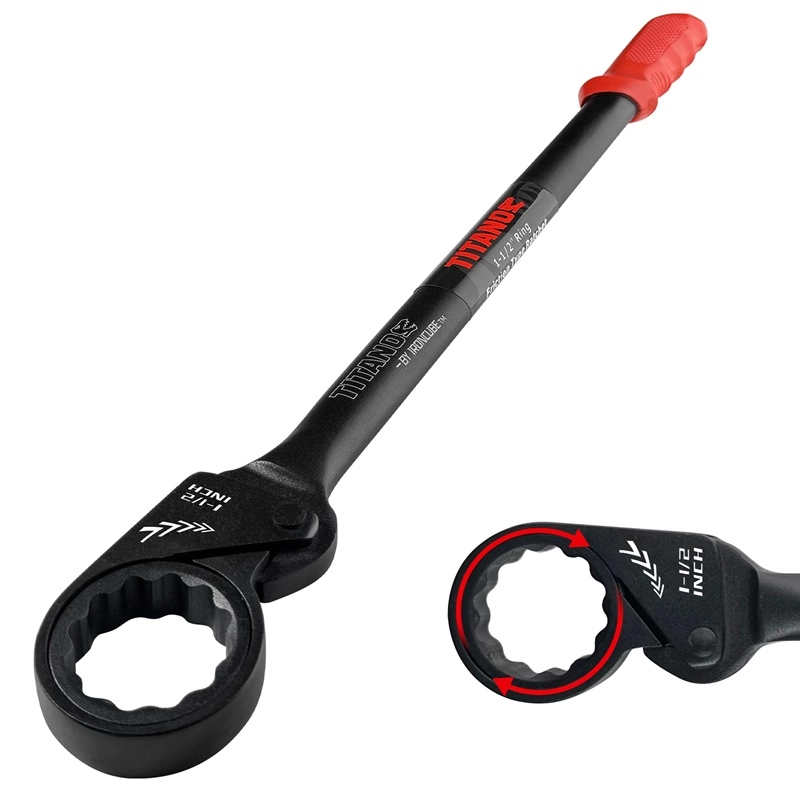
You’ve invested good money in a quality friction wrench, and now you’re wondering how to make it last. Smart thinking. Too many people treat their tools like disposable items, tossing them in a bucket after each job and wondering why they fail prematurely. The truth is, a well-maintained friction wrench can serve you faithfully for decades, while a neglected one might give you just a few years of subpar performance before heading to the scrap pile.
Whether you use your friction wrench daily in a professional shop or pull it out occasionally for weekend projects, proper maintenance makes a measurable difference. We’re talking about smoother operation, more reliable grip, and the kind of long-term performance that justifies your initial investment. In this guide, we’ll walk through everything you need to know about keeping your friction wrench in peak condition, from daily habits to periodic deep maintenance.
Why Friction Wrench Maintenance Actually Matters
Let’s start with the “why” before jumping into the “how.” A wrench might seem like a simple tool, but modern friction wrenches contain precision-engineered components that deserve respect. The ratcheting mechanism alone consists of multiple hardened steel parts working together with tight tolerances. When dirt, moisture, or neglect compromise these components, performance suffers.
Consider what happens when debris accumulates in the ratcheting mechanism. Each particle acts like microscopic sandpaper, wearing down the teeth and pawls that make the ratcheting action possible. Over time, this wear leads to skipping, backsliding, and eventual failure. What started as a minor annoyance becomes a safety hazard when your tool slips unexpectedly under load.
The jaw mechanism faces similar challenges. Corrosion can freeze adjustment screws, while accumulated grime reduces the friction coefficient of the gripping surfaces. Ironically, a dirty friction wrench provides less friction where you need it most. Regular maintenance prevents these issues and keeps your tool performing as designed.
Beyond mechanical concerns, there’s the economic argument. Professional-grade friction wrenches from manufacturers like IRONCUBE Works represent significant investments. A heavy-duty 1-1/2 inch friction wrench built for demanding applications deserves care that matches its quality. Proper maintenance protects that investment and delays replacement costs indefinitely.
Daily Maintenance Habits That Take Seconds
The most effective maintenance happens in small doses, consistently applied. Developing a few simple habits after each use takes minimal time while providing maximum protection for your friction wrench.
Wipe down after every use. This might sound obvious, but it’s the maintenance step most people skip. Keeping a clean rag near your workstation makes this effortless. After finishing a job, take ten seconds to wipe oil, grease, and debris from your friction wrench before putting it away. Pay particular attention to the jaw surfaces and adjustment mechanism, where contamination causes the most problems.
Inspect for damage. While wiping down your tool, give it a quick visual inspection. Look for chips, cracks, or deformation in the jaws. Check that the adjustment mechanism moves freely. Verify the ratcheting action feels smooth and positive. Catching problems early often means simple fixes rather than complete replacement.
Store properly. Where and how you store your friction wrench affects its longevity more than most people realize. Tossing tools loosely in a drawer lets them bang against each other, damaging chrome plating and precision surfaces. Tool rolls, foam-lined cases, or individual slots in a tool chest keep your friction wrench protected between uses.
These daily habits require almost no additional time yet dramatically extend tool life. Professionals who maintain their tools this way routinely get fifteen or twenty years from quality friction wrenches, while those who neglect these basics might see just three to five years of service.
Weekly Cleaning Procedures for Regular Users
If you use your friction wrench frequently, weekly cleaning maintains optimal performance. This process takes about ten minutes and keeps mechanical components functioning smoothly.
Start by preparing your cleaning supplies. You’ll need a clean work surface, shop rags, a small brush with stiff bristles, mild solvent or degreaser, and light machine oil. Avoid harsh chemicals that might damage chrome plating or rubber components.
Begin with the jaw mechanism. Open the jaws fully and brush out any debris trapped in the serrations. The textured gripping surfaces tend to collect metal shavings, dried mud, and other contamination that reduces effectiveness. A brass brush works well for this without damaging the hardened steel surfaces. Follow up by wiping with a solvent-dampened rag to remove any remaining residue.
Move to the adjustment mechanism next. Work the adjustment screw through its full range while brushing away accumulated grime. If the mechanism feels sticky or resistant, apply a small amount of penetrating oil and continue working it until motion smooths out. Wipe away excess oil when finished, as too much lubricant attracts dust and creates the grinding paste you’re trying to avoid.
The ratcheting mechanism requires more delicate attention. Most friction wrenches don’t allow complete disassembly of the ratchet head, so external cleaning is your primary option. Use a small brush to clear debris from the direction selector switch and any visible access points. Apply a few drops of light machine oil to the mechanism and work the ratchet action several times to distribute lubrication internally.
Finish by wiping down the entire tool with a lightly oiled rag. This thin oil film provides corrosion protection during storage without attracting excessive dust. Your friction wrench should now look clean, feel smooth, and operate effortlessly.
Monthly Deep Maintenance for Heavy Users
Professionals who rely on their friction wrench daily benefit from monthly deep maintenance. This more thorough process addresses areas that weekly cleaning doesn’t fully reach and helps identify developing problems before they become serious.
Jaw Inspection and Conditioning
Remove any surface rust from the jaw serrations using fine steel wool or a brass brush. Rust on these surfaces reduces grip and accelerates wear on fasteners. After cleaning, apply a thin coat of rust-preventive oil and wipe to an almost-dry finish. The goal is protection without creating a slippery surface that defeats the tool’s purpose.
Examine the jaw surfaces under good lighting, looking for excessive wear patterns. Jaws that show significant flattening of the serrations or uneven wear indicate the tool may be approaching the end of its useful life. While a friction wrench can continue functioning with worn jaws, its grip reliability decreases, creating safety concerns during high-torque applications.
Adjustment Mechanism Service
The adjustment screw and associated threads accumulate fine metal particles over time, even with regular cleaning. Monthly maintenance should include thorough cleaning of these threads. Apply degreaser and work a small brush into the threads while opening and closing the jaws. Repeat until the brush comes out clean.
Once clean, apply fresh lubricant to the threads. White lithium grease works well here, providing long-lasting lubrication that stays put better than oil. Apply sparingly, as excess grease attracts contamination. Work the adjustment through its full range several times to distribute the lubricant evenly.
Ratchet Mechanism Attention
The ratcheting mechanism represents the heart of your friction wrench’s efficiency. Monthly attention helps maintain smooth operation and long service life. If your tool allows access to the ratchet mechanism through a removable cover, this is the time to open it up.
Inside, you’ll typically find a pawl, spring, and gear arrangement. Remove any visible debris with compressed air or a small brush. Check the spring for adequate tension, as weak springs cause ratchet skip. Apply a small amount of gear oil or silicone lubricant to the moving parts. Avoid over-lubrication, which can attract dirt and cause sluggish operation.
Reassemble carefully, ensuring the direction selector engages properly. Test the ratchet action in both directions before returning the tool to service. If the mechanism still feels rough or inconsistent after cleaning and lubrication, internal wear may require professional attention or replacement.
Seasonal Storage Considerations
Many users don’t need their friction wrench year-round. Farmers might use these tools intensively during planting and harvest seasons but store them during winter months. Construction workers may have seasonal slowdowns. Proper storage preparation prevents damage during extended idle periods.
Before storing your friction wrench for more than a month, perform a thorough cleaning following the weekly or monthly procedures described above. Remove all moisture, as even small amounts can cause corrosion over time. Apply a slightly heavier coat of protective oil than you would for regular storage.
If you’re exploring tools for seasonal agricultural work, resources like jumbo ratcheting wrench sets for agriculture provide options designed for the demanding conditions farmers face.
Climate-controlled storage is ideal but not always practical. If storing in an unheated garage or shed, consider using silica gel packets or VCI (vapor corrosion inhibitor) bags to control moisture. Wrapping tools in oiled cloth provides additional protection in humid environments.
When bringing tools back into service after extended storage, perform another thorough cleaning before use. Storage oils can become gummy over time and should be removed and replaced with fresh lubrication. Check all moving parts for smooth operation before applying full working loads.
Troubleshooting Common Friction Wrench Problems
Even well-maintained tools occasionally develop issues. Knowing how to diagnose and address common problems keeps your friction wrench working reliably.
Stiff or Frozen Adjustment
When the jaw adjustment becomes difficult to turn, contamination or corrosion is usually the culprit. Start by applying penetrating oil to the adjustment mechanism and letting it soak for several hours or overnight. Work the adjustment back and forth gently, applying more penetrating oil as needed. Most stiff adjustments respond to this treatment within a day or two.
If penetrating oil doesn’t resolve the issue, the adjustment threads may have sustained damage. Inspect for visible deformation or cross-threading. Damaged threads typically require professional repair or tool replacement, though minor issues can sometimes be improved with careful thread cleaning and re-lubrication.
Ratchet Skipping or Backsliding
A ratchet that skips under load or fails to hold position indicates worn internal components or insufficient lubrication. Begin with thorough cleaning and fresh lubrication of the mechanism. If problems persist, the pawl or gear teeth may have worn beyond acceptable limits.
Replacing internal ratchet components requires specific parts and mechanical knowledge. For valuable tools, professional repair may be worthwhile. For older or less expensive tools, replacement often makes more economic sense than repair. Quality options like the 36mm torque friction wrench provide reliable service for those needing to replace worn tools.
Jaw Slippage
When jaws slip on fasteners despite proper sizing and technique, worn serrations or contamination are likely causes. Clean the jaw surfaces thoroughly with solvent, using a stiff brush to remove any embedded material. If slippage continues after cleaning, inspect the serrations for excessive wear. Flattened or rounded serrations indicate the tool has reached the end of its effective service life.
Some users attempt to restore grip by filing new serrations into worn jaws. This approach rarely produces satisfactory results and can create stress concentrations leading to jaw failure. Replacing a worn friction wrench with a new quality tool is the safer choice.
Handle Grip Deterioration
Rubber-coated handles eventually degrade from exposure to petroleum products, UV light, and general wear. Cracked or hardened grip material reduces comfort and control. Replacement grip sleeves are available for some tools, or you can apply heat-shrink tubing or athletic grip tape as an alternative.
For tools without replaceable grips, deteriorated handle material may indicate it’s time for overall replacement. The handle condition often reflects the total wear the tool has experienced, making grip problems a useful indicator of overall tool health.
Extending Tool Life Through Smart Usage
Maintenance matters, but how you use your friction wrench also affects its longevity. A few usage practices help maximize service life.
Match the tool to the task. Using an undersized friction wrench on large fasteners stresses components beyond design limits. Conversely, using oversized tools on small fasteners reduces feel and control. Select the appropriate size for each application. For large fasteners, options like the 2-1/4 inch friction wrench handle substantial loads safely.
Avoid cheater bars when possible. Extending handle length with pipes or bars multiplies the force applied to internal components. While quality tools tolerate occasional overload, regular use of cheater bars accelerates wear dramatically. If you consistently need more leverage than your friction wrench provides, consider upgrading to a larger tool or using a dedicated torque multiplier.
Don’t use wrenches as hammers. This should go without saying, but many tools show evidence of being struck. Impact loading damages the ratcheting mechanism and can crack hardened steel components. Keep a hammer for hammering tasks.
Apply force smoothly. Jerky or sudden force application shocks the ratcheting mechanism and increases wear. Smooth, steady pressure produces the same torque output with less stress on internal components. This becomes especially important when dealing with stubborn fasteners that require significant force.
Building a Complete Tool Maintenance Kit
Having the right supplies on hand makes friction wrench maintenance more likely to happen consistently. Consider assembling a dedicated maintenance kit with the following items:
Your kit should include clean shop rags or microfiber cloths for wiping and applying lubricants. Add a small brass or nylon brush for cleaning serrated surfaces without causing damage. Include a set of small picks for removing debris from tight spaces. Stock light machine oil for general lubrication needs. Keep penetrating oil on hand for freeing stuck mechanisms. Add white lithium grease for thread lubrication. Consider including silicone lubricant for rubber components. Finally, ensure you have a solvent or degreaser for thorough cleaning when needed.
Store your maintenance supplies together in a convenient location. When everything you need is easily accessible, you’re more likely to perform regular maintenance rather than putting it off.
When to Replace Rather Than Repair
Every tool eventually wears out. Knowing when your friction wrench has reached the end of its useful life prevents safety hazards and frustration from using compromised equipment.
Visible cracks in the head, jaws, or handle indicate immediate replacement need. Cracked tools can fail catastrophically under load, creating serious injury risk. Any tool showing cracks should be retired regardless of other condition factors.
Excessive jaw wear that prevents reliable grip signals replacement time. If you’ve cleaned the jaws thoroughly and still experience frequent slippage, the serrations have worn beyond useful limits. Continuing to use the tool risks rounding fasteners and unexpected slips.
Ratchet mechanisms that skip persistently after cleaning and lubrication have internal wear requiring attention. If replacement parts aren’t available or the repair cost approaches replacement cost, new tools make more sense.
Bent or deformed components indicate the tool has been overloaded or damaged. Even if the tool still functions, bent components may fail unexpectedly under future loads. Replace any tool showing deformation.
When replacement becomes necessary, explore comprehensive options at IRONCUBE’s wrench collection. Understanding how to select the best 10-piece ratchet wrench set helps when building or expanding your toolkit.
Professional Maintenance Services
While most friction wrench maintenance can be handled at home, some situations benefit from professional attention. Specialized tool repair shops have the equipment and expertise to address problems beyond typical user capabilities.
Complex ratchet mechanism repairs often require specific parts and precision assembly that exceeds DIY limitations. Professional technicians have access to replacement components and the knowledge to install them correctly. For valuable tools with failed ratchet mechanisms, professional repair may restore full function economically.
Chrome replating extends the life of tools with worn or damaged protective coatings. This industrial process requires specialized equipment unavailable to most users. When corrosion has progressed beyond surface cleaning but the tool remains mechanically sound, replating offers a cost-effective alternative to replacement.
Jaw resurfacing can sometimes restore grip to tools with moderately worn serrations. Professional shops use precision machining to recut serration patterns, restoring like-new grip characteristics. This option works best for high-quality tools where the restoration cost is justified by the tool’s value.
For general questions about tool selection and care, contact the experts at IRONCUBE Works for personalized guidance based on your specific applications and needs.
Building Good Habits Takes Time
Developing consistent maintenance habits doesn’t happen overnight. Start with the daily wipe-down routine, which takes just seconds but provides significant protection. Once that becomes automatic, add weekly cleaning to your schedule. Monthly deep maintenance follows naturally as you become more familiar with your tools.
The professionals who get the longest service from their friction wrench tools didn’t start with perfect maintenance habits. They built those habits gradually, learning from experience which practices provide the best return on time invested. You can do the same, improving your maintenance routine incrementally until proper tool care becomes second nature.
For those building comprehensive tool collections, understanding related tools like flex head ratchet wrench sets for industrial use and learning how to use flex head ratchet wrenches safely expands your capabilities while applying similar maintenance principles.
Consider also exploring big ratchet wrenches for heavy equipment and learning how flex head ratchet wrenches save time on auto repairs to round out your knowledge.
For convenient purchasing options, IRONCUBE maintains an Amazon storefront featuring their complete range, including the popular 53-piece ratcheting tool set. Those purchasing in quantity can benefit from guidance on finding quality wholesale jumbo wrench sets.
Summary
Maintaining your friction wrench requires consistent attention rather than occasional intensive effort. Daily wipe-downs prevent contamination buildup, weekly cleaning keeps mechanisms operating smoothly, and monthly deep maintenance addresses areas that regular care doesn’t reach. Proper storage between uses and during extended idle periods protects against corrosion and environmental damage.
When problems develop, systematic troubleshooting often identifies simple solutions. Knowing when to repair versus replace keeps you safe and productive. A well-maintained friction wrench provides decades of reliable service, justifying both the initial investment and the modest time spent on care. Start with basic daily habits, build toward more comprehensive maintenance routines, and your tools will reward you with years of dependable performance.
Frequently Asked Questions
How often should I oil my friction wrench?
Light oiling after each cleaning session keeps your friction wrench properly lubricated without creating excessive buildup. For daily users, this typically means weekly application. Occasional users should oil their tools after each use session and before extended storage. The key is applying just enough lubricant to protect moving parts without attracting dust and debris that accelerate wear.
Can I use WD-40 to maintain my friction wrench?
WD-40 works well as a penetrating oil for freeing stuck mechanisms and as a short-term moisture displacer. However, it doesn’t provide adequate long-term lubrication for friction wrench mechanisms. Use WD-40 for cleaning and freeing stuck parts, then follow up with proper machine oil or lithium grease for lasting protection. Relying solely on WD-40 leaves your tool under-lubricated and vulnerable to accelerated wear.
What causes a friction wrench ratchet to skip?
Ratchet skipping in a friction wrench typically results from worn pawls or gear teeth, weakened springs, or debris interfering with the mechanism. Start by cleaning and lubricating the ratchet assembly thoroughly. If skipping continues, internal wear has likely progressed beyond what cleaning can address. Quality replacement tools offer the most reliable solution when internal components have reached the end of their service life.
How do I prevent rust on my friction wrench?
Preventing rust requires keeping moisture away from metal surfaces and maintaining a protective barrier. Wipe tools dry after exposure to moisture, store in climate-controlled environments when possible, and maintain a thin oil film on all metal surfaces. For storage in humid conditions, wrap tools in oiled cloth or use VCI bags. Addressing minor surface rust immediately with fine steel wool and fresh oil prevents progression to damaging corrosion.
Is it worth repairing an old friction wrench or should I buy new?
The repair-versus-replace decision depends on the tool’s original quality, the extent of damage, and repair costs. High-quality friction wrenches from reputable manufacturers often justify repair investment, especially for minor issues. However, when repair costs approach or exceed replacement costs, new tools make more sense. Consider also that newer tools may incorporate design improvements not available when your old tool was manufactured.
What’s the best way to store multiple friction wrenches?
Store multiple friction wrenches in individual slots, pouches, or holders that prevent tools from contacting each other. Tool rolls, foam-lined cases, and drawer organizers with separate compartments all work well. Avoid bulk storage where tools pile together, as this damages chrome plating and precision surfaces. Organized storage also makes finding the right size faster, improving workflow efficiency alongside tool protection.