
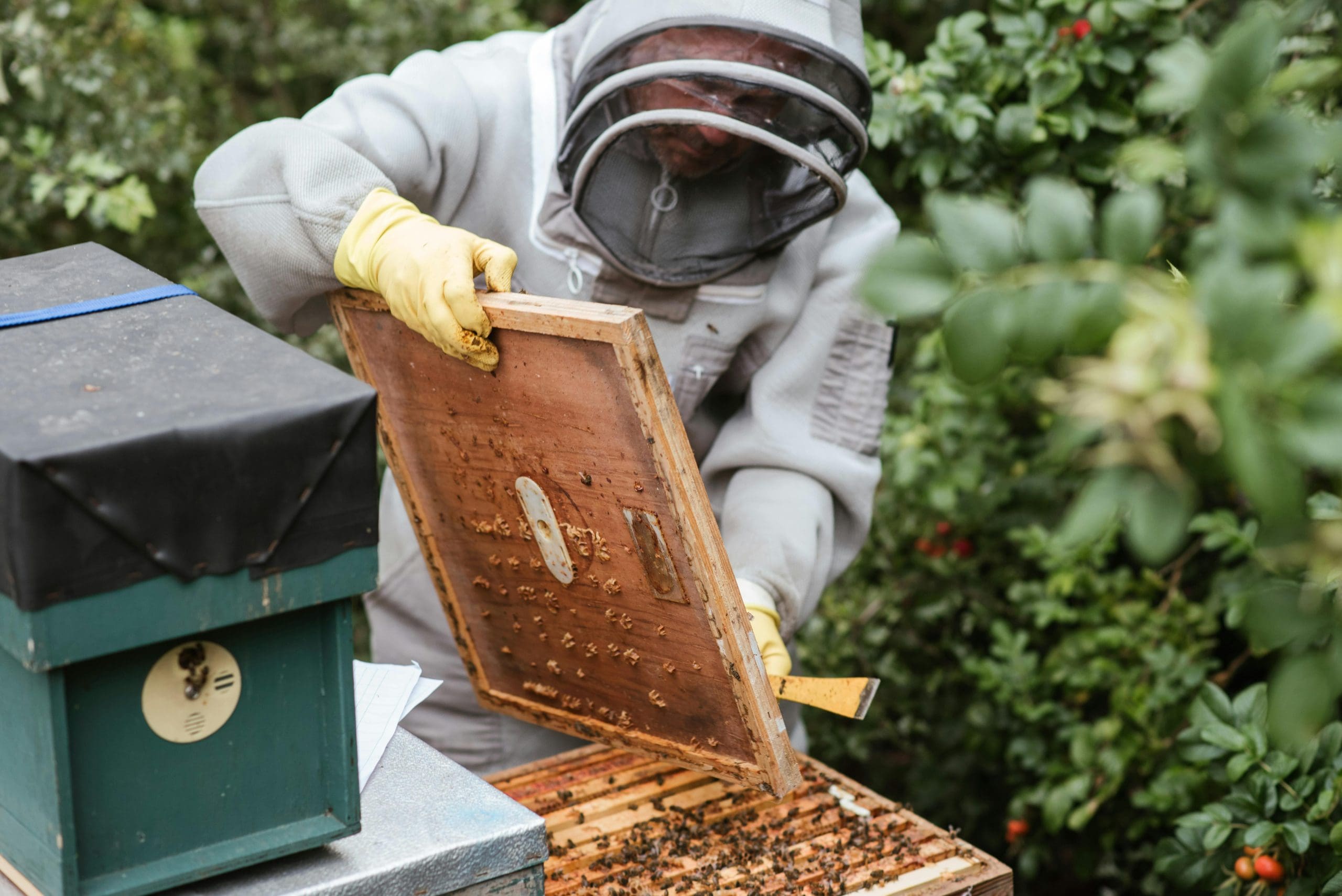
Maintaining clean and well-kept honey processing equipment is important to ensuring that you produce quality honey. To obtain the right results, you could also try using simple tools like scrub brushes, wiping cloths, and even pressure washers after daily use on the equipment. This article aims to help beekeepers and hobbyists learn how to maintain their equipment daily, deep-clean it weekly, and do regular inspections. You will learn how good practice will improve the quality and shelf life of honey.
Daily Cleaning Practices
Daily cleaning practices are what are going to keep your processing equipment in check. In essence, even simple tasks like a quick clean-up as soon as you are done working are going to do an excellent job of saving you the mess that bacteria or residue could cause to your equipment. To make this a daily routine, you should always have clean towels, soft brushes, and warm, soapy water nearby. Ignoring current issues will only lead to more serious problems later, so it’s important to watch for а warning sign such as sticking points, unpleasant odors, or unusual discoloration. Having а daily cleaning routine will make each session easier and will ensure that you actually take care of your honey.
Weekly Deep Cleaning
Systematic deep cleaning of your tools will keep them clean and your processing safe. You have to dive into a meticulous deep cleaning as part of a weekly schedule, probably doing it on weekends when you are not busy. To ensure you clean the equipment properly, you have to disassemble the equipment before the cleaning starts, make sure to clean each part with warm water and a non-toxic cleaner, rinse it thoroughly, and dry it up with a clean towel. Dish soap and vinegar work very well and are harmless, too. Accessories like gloves, goggles, and a face mask are must-haves during this process because they protect you from cleaning agents and debris.
Inspecting Equipment for Wear and Tear
Conducting inspections helps increase the longevity of your equipment because you can act before a real failure can occur. Regularly look at your tools, paying attention to things that look out of place such as cracked surfaces, frayed cords, or loose parts. Take care of small wear, whether it is just a loose nut or a worn-out gasket. Anything that looks dangerous or something you cannot fix yourself has to be assessed by a mechanic, particularly if your equipment is somewhat sophisticated. With this vigilance, your equipment will remain safe, well-maintained, and capable of producing high-quality honey.
Storage Best Practices
Protecting your equipment during downtime keeps it functional and clean. It is always a good idea to dry out your processing equipment thoroughly and place it somewhere cooler and drier than your garage, as high humidity makes metal and wood wear faster. Hence, long-term storage requires some preparations, such as covering with a dust-proof and breathable fabric, cleaning the application area, and organizing your workbench. You have to deal with seasonal considerations to make sure that you do not store your tools improperly – items that are not winter-ready may split or crack. If you pay attention to where and how to store your equipment, then it is going to move along efficiently and will even outlast the test of time.
Incorporating New Equipment and Technology
Updating your honey processing equipment enables you to be efficient and stick to quality. When you decide to go for updated tools or technology, you have to do market research on the features and strong points of new options over the existing technology, because some features could be more applicable and ideal for your line of work. After you purchase, you really need to spend some time understanding how to take care of it, as the updated equipment requires specific instructions, and these have to be in line with your available plans. Incorporation of newer tools with older systems can take some time and skill to fully adapt, so prepare to try different combinations in any workflow.
Conclusion
To sum up, a clean processing instrument is a big factor in a successful honey business, and your new beekeeping venture will benefit from the daily cleaning. Your dedication to weekly deep cleaning enables your equipment to run smoothly. Furthermore, everything will work out better when you do daily inspections, store your equipment properly, and upgrade when you have to. You can commit to taking care of your equipment by forming a consistent list of doing regular maintenance work, and that means you are going to have tools that last a long time and produce quality honey. On the whole, following a maintenance routine mean you are not only processing honey, but you fully respect your equipment and the nature of what you are producing.