
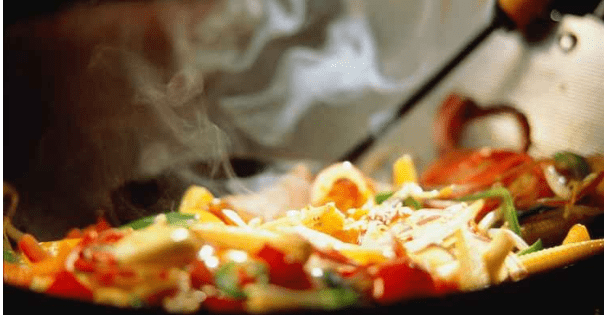
If you love Cantonese stir-fry, you’ve probably noticed that magical, smoky aroma that makes restaurant dishes so addictive. That flavor is called Wok Hei, often referred to as the “breath of the wok.” It’s a combination of heat, speed, and a little culinary magic—but recreating it at home can feel impossible.
I remember trying to make stir-fry for a family dinner last month. I tossed in vegetables, threw in some chicken, and… well, it was edible. But that smoky, slightly charred aroma? Totally missing. If you’ve been there, you know the frustration.
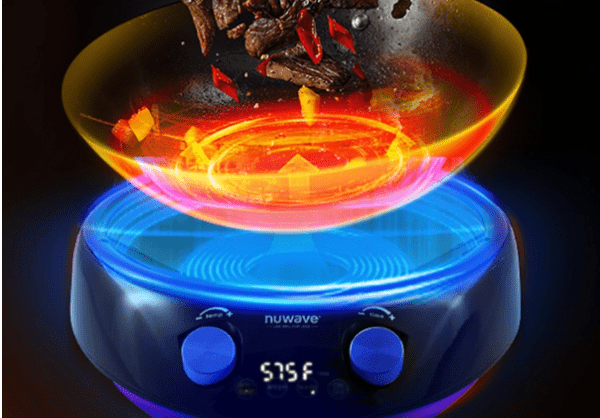
Here’s the good news: you can achieve Wok Hei flavor at home. With a few smart tweaks, some simple techniques, and the right tools—like the NuWave Mosaic Induction Wok, whose precise temperature control makes it easier to get that perfect sear and smoky aroma—you’ll be bringing restaurant-style stir-fry to your kitchen in no time.
What Makes Wok Hei So Special
Wok Hei isn’t just about high heat—it’s about timing, motion, and chemistry. When a wok is scorching hot and you toss your ingredients just right, it creates subtle caramelization and that smoky aroma that makes stir-fry unforgettable.
Traditionally, chefs need blazing flames and years of practice to master it. At home, we don’t have roaring gas burners or restaurant kitchens, but with a few tips, you can get surprisingly close.
When You Really Need Wok Hei at Home
Believe it or not, not every meal needs it. But certain occasions call for that extra smoky punch:
- Family dinners or weekend feasts: Impress your loved ones with restaurant-style stir-fry without leaving your kitchen.
- Small apartments or dorms: You don’t need a huge stove to get a big flavor.
- Cooking for picky eaters: Sometimes, that slightly caramelized aroma makes vegetables irresistible to kids.
- Allergy-friendly cooking: High-heat stir-fry can preserve the crispness of veggies, which may help keep them appealing for those with sensitivities.
How to Get Wok Hei Flavor at Home
Here’s the practical part: how you can actually achieve Wok Hei without a professional kitchen.
- Preheat Your Wok Properly: Give your pan a minute or two to get hot. The right temperature is key.
- Use High-Smoke-Point Oils: Peanut, canola, or grapeseed oils handle high heat without burning.
- Quick, Confident Tossing: Don’t overthink it—rapid movement sears proteins and keeps vegetables crisp.
- Let Food Sear Briefly: Contact with the hot wok creates caramelization and that subtle smokiness.
- Sauces Come Last: Add soy sauce, oyster sauce, or aromatics at the end so they cling to the food and enhance the flavor.
You don’t need fancy tools, but certain woks can make it easier. For instance, modern induction woks like the NuWave Wok heat quickly and evenly, making high-heat cooking safer and more precise.
Beginner-Friendly Recipes for Wok Hei
Even if you’re new to stir-fry, these dishes are simple and let you taste that restaurant-style flavor:
Classic Stir-Fried Vegetables
- Broccoli, bell peppers, snow peas, garlic, soy sauce
- Preheat wok, add oil, then garlic, then vegetables. Stir-fry quickly for 3–5 minutes, finish with soy sauce.
Garlic Shrimp Stir-Fry
- Shrimp, green onions, garlic, ginger, sesame oil
- Preheat wok, add oil and shrimp, toss with aromatics until lightly seared.
Beef and Broccoli
- Sliced beef, broccoli, oyster sauce, soy sauce, cornstarch slurry
- Sear beef quickly, remove, stir-fry broccoli, return beef and sauce, toss briefly to finish.
Subtle Ways to Know It’s Working
Sometimes you can’t smell the smokiness if the air was already fresh, but here’s how to tell if your Wok Hei technique is actually working:
- Crispness Test: Vegetables should remain firm and vibrant.
- Protein Sear: Chicken, shrimp, or beef should have a light browning.
- Aroma Check: Even a faint smoky scent means you’re on the right track.
Tips From Home Cooks
- Season Your Wok: Keep carbon steel woks well-oiled to prevent sticking and rust.
- Use the Right Tools: Bamboo brushes help clean without damaging the seasoning.
- Experiment: Try garlic, ginger, chilies, sesame oil, and different sauces to layer flavor.
Final Thoughts
Getting Wok Hei at home isn’t about perfection—it’s about experimenting, having fun, and creating that unmistakable smoky flavor in your own kitchen. Even if your first attempt isn’t flawless, the aroma and taste improve every time.
With the right techniques, a little patience, and perhaps a modern induction wok to help, you can bring restaurant-style stir-fry into your home. So the next time you crave that smoky, aromatic dish, remember—it’s entirely possible to get Wok Hei flavor at home.
Cooking doesn’t have to be intimidating. With practice, your kitchen can smell just like your favorite Cantonese restaurant—without any of the stress.