
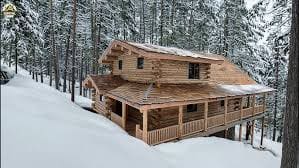
Building a wooden house in areas with heavy winter snowfall in the United States requires proper planning, the right materials, and strong insulation methods. Contractors and material suppliers must work together to ensure the structure can handle cold weather, snow load, and energy efficiency needs.
In the early planning stage, many builders rely on professional construction estimating services Delaware providers to understand project costs, materials, and labor requirements. Accurate planning helps avoid delays and ensures the house performs well during harsh winters.
1. Choose the Right Wood and Structural Design
The first step is selecting strong and durable wood. Common choices include spruce, pine, and fir, as they are widely available and perform well in cold climates. Pressure-treated wood is also recommended for areas exposed to moisture.
The structural design should focus on:
- Strong framing (2×6 walls are better than 2×4 for insulation)
- Roofs with steep slopes to allow snow to slide off
- Reinforced beams to handle snow weight
Suppliers should ensure the availability of high-quality lumber that meets U.S. building codes.
2. Install High-Quality Insulation
Insulation is the most important part of building a winter-ready wooden house. Without proper insulation, heating costs will increase, and indoor comfort will decrease.
Common insulation materials include:
- Fiberglass batts
- Spray foam insulation
- Rigid foam boards
Walls, roofs, and floors must all be insulated properly. Spray foam is often the best option because it seals gaps and prevents air leaks.
During material planning, many contractors use construction takeoff services to calculate exact insulation quantities. This helps avoid waste and ensures the right amount of material is ordered.
3. Focus on Air Sealing
Even with good insulation, air leaks can reduce efficiency. Cold air entering the house can make heating systems work harder.
Important areas to seal include:
- Windows and doors
- Electrical outlets
- Roof joints
- Basement or crawl space
Using weather stripping and caulking is a simple but effective way to improve energy efficiency.
4. Use Energy-Efficient Windows and Doors
Windows and doors are common weak points in cold climates. Double-glazed or triple-glazed windows are highly recommended. These windows have multiple layers of glass that trap heat inside.
For doors, insulated steel or fiberglass doors perform better than traditional wood doors.
Material suppliers should focus on providing energy-efficient products that meet ENERGY STAR standards in the United States.
5. Proper Roof Insulation and Ventilation
The roof must handle both insulation and ventilation. Poor roof design can lead to ice dams, which can damage the structure.
Key steps include:
- Adding thick insulation in the attic
- Installing roof vents to allow airflow
- Using ice and water shield under shingles
A well-ventilated roof keeps the temperature balanced and prevents snow from melting unevenly.
6. Foundation and Floor Insulation
Cold air can also enter through the foundation. Insulating the foundation walls and floors is important for maintaining indoor warmth.
Options include:
- Rigid foam insulation around the foundation
- Insulated concrete forms (ICFs)
- Sealing crawl spaces
Contractors should ensure proper moisture barriers are installed to prevent water damage.
7. Heating System Planning
Even with good insulation, a reliable heating system is necessary. Common systems include:
- Forced air heating
- Radiant floor heating
- Heat pumps
Radiant floor heating is especially popular in cold regions because it provides even heat distribution.
At the planning stage, builders often revisit construction estimating services Florida providers to finalize heating system costs and installation budgets.
8. Work Closely with Material Suppliers
Material suppliers play a key role in ensuring quality construction. They should:
- Provide certified insulation materials
- Supply treated and durable wood
- Offer energy-efficient windows and doors
Accurate material supply also depends on proper calculations. Using construction takeoff services again during later stages helps ensure nothing is missing and reduces project delays.
9. Follow Local Building Codes
Each state in the U.S. has its own building codes for snow loads, insulation values (R-values), and energy efficiency. Contractors must follow these rules to ensure safety and compliance.
Ignoring codes can lead to structural failure or legal issues.
Conclusion
Constructing a properly insulated wooden house for snowy winters in the United States requires careful planning, strong materials, and attention to detail. From selecting the right wood to installing high-quality insulation and sealing air leaks, every step matters.
By combining expert planning, reliable suppliers, and tools like construction estimation and takeoff services, contractors can build homes that are warm, durable, and energy-efficient even in the harshest winter conditions.