

When developing any new electronic product, choosing the right PCB manufacturer can make the difference between a smooth launch and costly delays. Printed circuit boards are the backbone of every device, and your supplier’s capability will directly affect performance, reliability, and delivery time.
This article explains what to look for in a manufacturing partner, why turnkey PCB manufacturing is becoming the preferred model, and how to evaluate a flexible PCB manufacturer for today’s compact and high-performance designs.
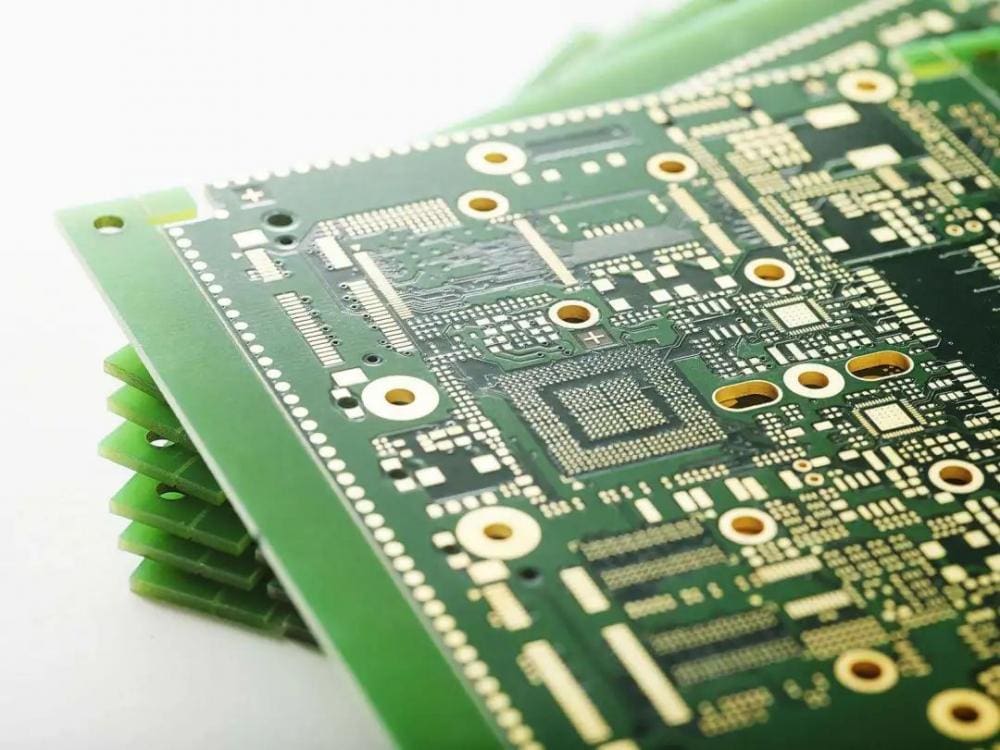
Why the Right PCB Manufacturer Matters
A good PCB partner does far more than fabricate boards. They help you move from prototype to volume production quickly, prevent design-for-manufacturing issues, and maintain quality from lot to lot.
When comparing suppliers, focus on five key areas:
1. Technical range – Can they handle multilayer, HDI, heavy copper, rigid-flex, or high-frequency materials under one roof? A wide process window means fewer vendor changes and lower risk.
2. Lead time and responsiveness – Look for services that support 1-piece prototypes, 48-hour quick-turn builds, and direct engineering communication.
3. Quality and certifications – UL, ISO 9001/13485, and RoHS/REACH compliance show mature process control.
4. Project management – A dedicated project manager and transparent quotation/approval workflow save time.
5. Scalability – The ability to ramp from small runs to mass production within the same system maintains consistent product quality.
Fast-moving markets such as IoT, medical, and industrial electronics need this combination of speed, flexibility, and reliability.
What Is Turnkey PCB Manufacturing?
Turnkey PCB manufacturing combines fabrication, component sourcing, assembly, and testing into one streamlined process. Instead of managing multiple vendors, you work with a single partner who takes full responsibility for delivering finished PCBs or assembled boards.
A typical turnkey process includes:
· File review and DFM/DFA feedback
· Material and component procurement
· PCB fabrication
· SMT and through-hole assembly
· AOI, X-ray, functional, or burn-in testing
· Final inspection and shipping
This model synchronizes all steps, reducing communication gaps and shortening total lead time. It also simplifies traceability—one database tracks every board, component, and lot number.
Turnkey service suits NPI projects, small-to-medium production, or engineering builds with frequent design changes. You gain faster feedback, fewer transfer errors, and a clear quality chain.
Why Turnkey Services Save Time and Cost
Traditional outsourcing requires separate orders for bare boards, components, and assembly. Each transfer introduces waiting time, packaging costs, and quality risks.
With turnkey PCB manufacturing, your manufacturer eliminates redundant logistics. They buy approved components directly, manage substitutions when parts are obsolete, and ensure the right materials arrive on time. You save not only on purchase orders but also through fewer engineering revisions, reduced scrap, and shorter project cycles.
Many U.S. and global customers now prefer turnkey partners who can guarantee both speed and accountability. For example, some providers offer two-day fabrication combined with in-house assembly and testing, cutting total build time by up to 40%.
Evaluating a Flexible PCB Manufacturer
If your design involves bending, folding, or space constraints, you will need a flexible PCB manufacturer. Flexible and rigid-flex circuits require special materials and design rules that differ significantly from those for FR-4 boards.
Key capabilities to verify include:
· Material systems – Polyimide (PI) or PET base, adhesive or adhesive-free stacks, coverlay and bonding sheet control.
· Layer structure – Rigid-flex combinations, impedance-controlled traces, and microvias for compact 3D assemblies.
· Bending performance – Minimum bend radius, flex life, and reinforcement options for repeated motion.
· Design assistance – DFM checks for bend areas, copper distribution, and stiffener placement.
· Prototype-to-production consistency – The same process line should handle small lots and full production, maintaining electrical and mechanical reliability.
Applications include wearables, medical sensors, industrial controls, and aerospace modules. Because each project is unique, flexibility in both design and manufacturing support is critical.
Quality and Compliance that Build Trust
No matter the technology, consistent quality control separates great manufacturers from average ones.
A dependable PCB manufacturer will maintain:
· Process certification – UL, ISO 9001, ISO 13485 (for medical), IATF 16949 (for automotive).
· 100% inspection – AOI and electrical testing on every layer and finished board.
· Data traceability – Bar-coded tracking from raw materials to final shipment.
· Testing coverage: flying probe, ICT, and functional testing for assembled boards.
These steps protect your project against defects and simplify audits, especially for regulated industries.
PCB Fabrication vs. Assembly vs. Turnkey – Which Fits You?
Different project stages may need different service scopes:
| Fabrication-only | You already have an assembly partner and a stable BOM. | Lower cost for mature designs. |
| Fab + Assembly (PCBA) | You want fewer hand-offs and consistent build quality. | Single vendor for bare board + assembly. |
| Full Turnkey | You need fast time-to-market, frequent design changes, or limited sourcing resources. | Shortest lead time and total accountability. |
If time or supply chain reliability is critical, a turnkey approach usually offers the best balance between speed and control.
Conclusion: Build Faster, Build Smarter
Selecting the right PCB manufacturer is an investment in your product’s success. A partner with both manufacturing depth and project flexibility can help you smoothly move from concept to mass production.
Whether you need high-layer rigid boards, quick-turn prototypes, or complex flexible PCB manufacturing, the goal remains the same: deliver high-quality boards on time, every time.
If you are planning your next build, start with a simple DFM review and quotation. The right turnkey partner will guide you through every stage—from design files to finished assemblies—so you can focus on innovation, not logistics.