
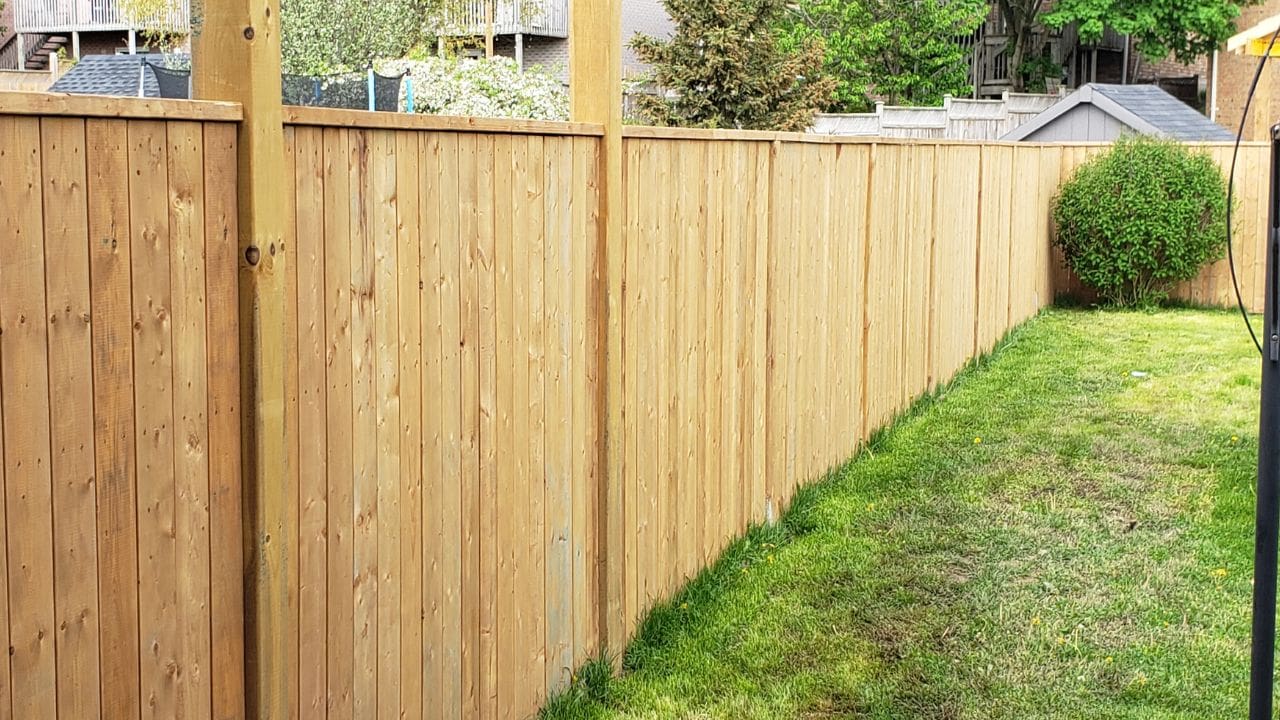
Planning to install a privacy fence around your property? You’re not alone. Every year, thousands of homeowners make this investment to create more private outdoor spaces, improve security, and enhance their property’s appearance. But with so many materials, styles, and price points available, how do you choose the right one?
This guide breaks down everything you need to know about selecting a privacy fence that works for your home, budget, and lifestyle. Whether you’re considering a traditional wood fence, a modern metal privacy fence, or something in between, we’ll help you make an informed decision.
Start With the Basics: What Do You Really Need?
Before you get caught up in browsing fence styles and materials, take a step back and think about what you actually need from your fence. This might seem obvious, but many homeowners skip this step and end up with a fence that doesn’t quite meet their expectations.
Ask yourself these questions. Do you need complete visual privacy, or would you be satisfied with partial screening? Some people want a solid barrier that blocks all views into their yard, especially around pools or patios. Others prefer something that defines boundaries without completely closing off the space.
Think about noise. If you live on a busy street or near a highway, you might want a fence that helps reduce sound. Solid fences work better for this than open designs, though you should know that no residential fence will eliminate noise entirely.
Consider security alongside privacy. Do you have children or pets who need to be contained safely? Are you trying to keep wildlife out of your garden? Different fence types offer different levels of security, so think about your specific concerns.
Also consider your climate. Harsh weather conditions will affect certain materials more than others. If you live in a humid area, near the coast, or somewhere with extreme temperature swings, this will influence which materials make sense for your situation.
Understanding Your Material Options
The material you choose will determine how your fence looks, how long it lasts, how much maintenance it needs, and what it costs. Let’s walk through the main options.
Wood has been the traditional choice for privacy fencing for generations. Cedar and redwood naturally resist rot and insects, while pressure-treated pine offers a more budget-friendly option. Wood fences can be beautiful, and they’re often the least expensive upfront. However, they require significant maintenance over time. You’ll need to clean, stain, or paint them every few years to prevent deterioration. Even with proper care, wood fences typically need replacement after 15 to 20 years.
Vinyl fencing became popular as a low-maintenance alternative to wood. It won’t rot, warp, or need painting, and it comes in various styles and colors. The downsides? Vinyl can become brittle in very cold weather and may fade over time with sun exposure. It’s also not as sturdy as some other options, and repairs can be tricky since you typically can’t just replace a single damaged board.
Composite materials combine wood fibers with plastic polymers. These fences look like wood but resist rotting and insects. They need less maintenance than natural wood but usually cost more. Quality varies significantly between manufacturers, so research is important if you’re considering this option.
Metal fence options have grown increasingly popular in recent years. These fences offer exceptional durability and can last 30 to 50 years or more with minimal maintenance. A metal privacy fence won’t rot, warp, or attract insects. Modern manufacturing techniques allow for various designs, from solid panels to decorative perforated patterns. The main considerations are higher upfront costs and the aesthetic, which works better with some architectural styles than others.
Among metal options, an aluminum fence deserves special mention. Aluminum naturally resists rust, making it perfect for humid climates and coastal areas where other metals might corrode. It’s lighter than steel, which makes installation easier, yet it’s surprisingly strong. An aluminum fence never needs painting or staining, and it can be powder-coated in various colors that won’t fade or chip. While traditional aluminum fencing tends to be ornamental and see-through, modern aluminum privacy panels offer solid designs that combine metal’s durability with complete visual screening.
There’s also the hog wire fence, which takes a different approach to privacy. Originally designed for agricultural use, hog wire fence has become trendy in residential settings thanks to its clean, modern look. The distinctive grid pattern creates boundaries while maintaining an open feel. While a traditional hog wire fence offers partial transparency rather than complete privacy, it can be adapted for more privacy by adding slats, fabric panels, or strategic landscaping. It provides excellent airflow and works beautifully with contemporary or farmhouse-style homes.
Height Matters More Than You Think
Fence height significantly impacts both privacy and your yard’s overall feel. Most residential areas allow 6-foot fences in backyards, which provides adequate privacy for most situations. Some municipalities permit taller fences, up to 8 feet in some cases.
Here’s the thing about height though: taller isn’t always better. An 8-foot fence might seem like it would offer more privacy, but it can also make your yard feel like a box. Very tall fences can block sunlight, create a closed-in feeling, and may even violate local building codes or homeowner association rules.
Before you decide on height, check your local regulations and HOA requirements. Many areas have specific restrictions about fence height, especially for fences visible from the street. Some neighborhoods require permits for fences over certain heights. Taking time to verify these requirements now can save you from expensive mistakes later.
Also consider the scale of your property. A massive fence can overwhelm a small yard, while a relatively short fence might look out of place on a large property. Walk around your yard and imagine how different heights would look and feel.
Style and Aesthetics: Making Your Fence Look Good
Your fence will be a prominent feature of your property for years to come, so its appearance matters. The right fence enhances your home’s curb appeal, while the wrong one can detract from it.
Match your fence style to your home’s architecture. A sleek metal privacy fence with clean lines complements contemporary homes beautifully. Traditional horizontal wood boards suit craftsman or colonial-style houses. A hog wire fence with black metal posts creates a modern farmhouse look that’s incredibly popular right now.
Think about color and finish. Wood offers natural tones that can be stained in various colors. An aluminum fence comes in powder-coated finishes that provide lasting color without the need for repainting. Popular choices include classic black, bronze, white, and gray tones. These colors work with most home exteriors and landscape designs.
Consider the fence’s top edge treatment. You can choose flat tops for a clean, modern look, or add decorative post caps and trim for more visual interest. Some fences feature lattice toppers that provide privacy at eye level while allowing light and air circulation above.
Panel configuration matters too. Horizontal boards create a contemporary feel, while vertical boards look more traditional. Some designs alternate panel heights or incorporate decorative elements. Even something like a hog wire fence can be customized with different grid sizes and frame materials to create a unique look.
Don’t forget about decorative details. Things like post caps, trim boards, and metal inserts can elevate a basic fence design into something special. Metal fences often feature laser-cut patterns or decorative screens that provide privacy while adding artistic elements.
The Climate Factor: Choosing Materials That Last
Your local climate should heavily influence your material choice. Different materials perform better in different conditions, and choosing the wrong material for your climate can lead to premature deterioration and costly repairs.
In humid and rainy climates, moisture is the enemy. Wood fences in these areas require extra attention and maintenance to prevent rot. Metal options like an aluminum fence perform exceptionally well in humid conditions since they won’t absorb moisture or support mold and mildew growth.
Coastal properties face unique challenges. Salt air accelerates corrosion in many materials. Aluminum naturally resists corrosion, making it an excellent choice for properties near the ocean. If you’re considering other metals, make sure they have appropriate protective coatings designed for marine environments.
Areas with extreme temperature fluctuations present different challenges. Materials expand and contract with temperature changes. A metal privacy fence handles these fluctuations better than vinyl, which can become brittle in extreme cold or warp in intense heat. Wood also expands and contracts, which can lead to warping and gaps over time.
If you live in a high-wind area prone to storms, consider how your fence will handle strong winds. Solid panel fences act like sails, catching wind and potentially suffering damage. Make sure posts are deeply set in concrete and spaced appropriately for your chosen material. Some homeowners in very windy areas choose designs that allow some airflow, like a hog wire fence, to reduce wind load.
Sun exposure affects different materials differently. Intense UV radiation fades and degrades many materials over time. Powder-coated aluminum fence panels typically resist fading better than vinyl or painted wood. If you choose wood, select stains with UV inhibitors and plan for regular maintenance to combat sun damage.
Maintenance: Being Realistic About Time and Effort
Be honest with yourself about how much time and money you’re willing to spend on fence maintenance over its lifetime. This factor alone might be the deciding factor in your choice.
If you want minimal maintenance, metal fences are hard to beat. An aluminum fence requires little more than occasional cleaning with soap and water. It won’t rot, warp, or need refinishing. You might need to touch up scratches occasionally, but that’s about it. Vinyl also falls into the low-maintenance category, though it may need periodic pressure washing to prevent mildew and keep it looking fresh.
Composite fencing falls somewhere in the middle. It needs less maintenance than natural wood but more than metal. You’ll need to clean it periodically, and some composite materials may fade over time despite manufacturers’ claims to the contrary.
Wood fences require the most ongoing attention. You’ll need to clean them annually, inspect for damage, and restain or repaint every two to three years depending on your climate and the quality of products you use. You’ll also need to address individual boards that warp, rot, or suffer insect damage. While wood may have a lower initial cost, the lifetime maintenance costs often exceed the total cost of a premium metal privacy fence.
Calculate not just the financial cost of maintenance but also the time investment. A wood fence might require 8 to 16 hours of labor every few years for maintenance. Over 20 years, that adds up to a significant time commitment. If you’d rather spend your weekends enjoying your yard instead of maintaining your fence, factor that into your decision.
Installation Considerations
Some fence types are significantly easier to install than others, which affects both the feasibility of DIY installation and the cost of professional installation.
Many homeowners can handle installing a hog wire fence themselves. The process involves setting posts and stretching wire panels between them. With some basic tools and a helper, it’s a manageable weekend project for someone with moderate DIY skills.
Some aluminum panel systems are also designed for straightforward installation with clear instructions and pre-fabricated components. These systems can be DIY-friendly if you’re comfortable with basic construction tasks.
More complex designs typically warrant professional installation. A metal privacy fence with custom panels or decorative elements often requires specialized tools and expertise. Heavy materials, precise leveling on sloped terrain, or situations involving rocky soil or other obstacles usually call for professional help.
Professional installation costs vary based on your location, the complexity of your design, and site-specific factors. Get quotes from multiple contractors and ask to see examples of their previous work. A quality installation makes a huge difference in how your fence looks and performs over time.
Budgeting for Your Fence
Fence costs vary dramatically based on material, height, length, and design complexity. Understanding the full financial picture helps you make the right choice for your situation.
Initial costs are what most people focus on. Wood is typically the least expensive upfront option, usually running $15 to $30 per linear foot installed. Vinyl costs a bit more, generally $20 to $40 per linear foot. Premium materials like an aluminum fence or custom metal privacy fence designs carry higher initial costs, often $30 to $60 per linear foot or more for high-end designs.
However, initial costs don’t tell the whole story. You need to consider the total cost of ownership over the fence’s lifetime. That wood fence that costs $15 per linear foot initially might need $5 to $10 per linear foot in maintenance every few years. Over 20 years, those maintenance costs add up significantly.
Meanwhile, an aluminum fence that costs $40 per linear foot initially might need virtually no maintenance beyond occasional cleaning. When you calculate total cost over 20 or 30 years, the higher-priced option often proves more economical.
Also factor in how your fence choice affects property value. Quality fencing is a desirable feature that can increase your home’s value and curb appeal. A well-designed, well-maintained fence makes your property more attractive to potential buyers. Choose materials and designs that will appeal to future buyers, not just your personal taste.
Environmental and Sustainability Considerations
More homeowners are thinking about their environmental impact when making home improvement decisions. Your fence choice has environmental implications worth considering.
Some wood options come from certified sustainable forests. Look for FSC certification if you choose wood and care about sustainable sourcing. Recycled aluminum and vinyl products reduce environmental impact by repurposing existing materials rather than using virgin resources.
Durability matters for environmental impact too. A durable metal privacy fence that lasts 50 years creates less waste than wood fencing that requires replacement every 15 years. At end of life, metals like aluminum are highly recyclable, while treated wood often ends up in landfills.
Consider the manufacturing footprint as well. Aluminum production is energy-intensive, though recycled aluminum requires 95 percent less energy than virgin aluminum. Wood has a smaller manufacturing footprint but requires ongoing chemical treatments that have their own environmental considerations.
Navigating Regulations and Restrictions
Before you finalize your fence choice or make any purchases, thoroughly research applicable restrictions. Nothing is more frustrating than discovering your chosen fence violates local regulations after you’ve already ordered materials.
Most municipalities regulate fence height, setback distances from property lines, and sometimes materials or colors. Contact your local building department to understand specific requirements in your area. Many jurisdictions require building permits for fences over certain heights.
If you live in a neighborhood with a homeowner association, they likely have strict fence guidelines. HOAs often specify approved materials, colors, heights, and styles. Some maintain approved vendor lists or require pre-approval of your specific design before installation. Review your HOA’s covenants and architectural guidelines carefully.
Verify your exact property boundaries before installing fencing. A survey might be necessary to avoid disputes with neighbors or accidental encroachment onto their property. It’s much easier to get this right initially than to move a fence after it’s installed.
Some areas have special rules about corner lots, fences near streets, or sight lines for traffic. Make sure you understand all applicable regulations before proceeding.
Creative Combinations and Solutions
You don’t have to choose just one fence type for your entire property. Many homeowners strategically combine different fencing solutions to optimize both function and budget.
You might use an ornamental aluminum fence for street-facing areas to maintain an open, welcoming appearance while using a solid metal privacy fence in the backyard for complete seclusion. This approach gives you curb appeal in front and privacy where you need it most.
Consider graduated privacy as well. A hog wire fence works well for sections where you want to maintain views or air circulation, transitioning to solid panels in areas requiring complete privacy. This approach works particularly well on larger properties with varying needs.
You can also incorporate decorative metal panels or artistic screens into primarily solid fencing. This adds visual interest while maintaining privacy and prevents the “wall” effect of uninterrupted solid fencing. It creates focal points and gives your fence more personality.
Making Your Final Decision
Choosing the right privacy fence means balancing multiple factors: your privacy needs, aesthetic preferences, budget constraints, climate considerations, maintenance willingness, and property-specific requirements.
Visit properties with different fence types if possible. Photos and descriptions only tell part of the story. A metal privacy fence might look austere in photographs but appear quite elegant in person. Similarly, a hog wire fence might seem too open conceptually but provide exactly the right balance when you see it installed.
Request samples from manufacturers when possible. Touch the materials, examine the finish quality, and get a sense of their weight and durability. This hands-on evaluation helps you make a more informed decision.
Talk to your neighbors who have recently installed fences. Ask about their experiences with different materials, contractors, and designs. Real-world feedback from people in your area can be invaluable.
Consult with multiple contractors or suppliers before making your final decision. They can provide insights specific to your property, climate, and local conditions. Many offer design consultations and can show you examples of their work, helping you visualize how different options might look on your property.
Think long-term. The fence you install today will likely remain in place for decades. Consider how it will look as it ages, how much time you’ll spend maintaining it, and whether it will still suit your needs years from now. While it’s tempting to choose the most affordable option, investing in quality materials and installation usually proves wise.
Final Thoughts
Selecting a privacy fence is a significant decision that affects your property’s functionality, appearance, and value for many years. Take your time, do thorough research, and choose an option that truly aligns with your specific needs and situation.
Whether you opt for traditional wood, a low-maintenance aluminum fence, a durable metal privacy fence, or an elegant hog wire fence adapted for your privacy needs, the key is making an informed choice. Consider all the factors we’ve discussed: materials, maintenance, climate suitability, budget, local regulations, and aesthetic appeal.
The best privacy fence isn’t necessarily the most expensive, the trendiest, or the one your neighbor just installed. It’s the one that best serves your unique situation while providing the privacy, security, and visual appeal you want. With careful consideration and planning, you’ll end up with a fence that enhances your property and provides satisfaction for years to come.