

Any start-up venture needs an amount of planning and knowledge of the costs you are set to incur before you can open your doors to business. A little mistake can result in a big loss. So, understanding start-up costs will help you to develop a feasible budget statement and avoid any financial surprises.
In this guide, I will explain what start-up costs are, why they matter, and how to calculate them with practical examples. This will help you make informed decisions and build a solid foundation for your new business.
How to Determine Startup Costs

Start-up costs refer to all the expenses you need to pay before your business starts operating. The easiest way to determine startup costs is by using this formula:
Start-Up Cost = Fixed Costs + Variable Costs + One-Time Expenses + Emergency Buffer
Breakeven Analysis: Knowing your start-up costs is not enough. You should also calculate how many sales you need to recover those costs. The formula is:
Breakeven Point (Units) = Total Fixed Costs ÷ (Price per Unit – Variable Cost per Unit)
Cost per Unit Calculation: If you are selling products, you need to know the cost of producing each unit. Here’s the formula:
Cost per Unit = (Total Production Costs) ÷ (Number of Units Produced)
Think Beyond Costs – Build Your Brand
It is important to control the costs of the company, but you also need to spend in those areas that will create value. Take an example of packaging. Packaging is important compared to just shielding your product. It also assists in capturing customers and making you unique in the market.
As your business grows, you can consider custom branded packaging to strengthen your brand identity. While these add to your costs, they provide a long-term return through customer loyalty and brand recognition.
The Key Message: Instead of spending a big budget on ordinary packaging, you can leverage your packaging as your marketing tool.
Why It Is Important to Calculate Start-Up Costs

Why business lacks success is that they underrate the costs in business. Without proper planning, there is a chance that your company will lack funds needed to start a business. Estimating the cost of starting up a business is the initial step in seeking funding, either through self-funding, loans, or an investor.
Unsuccessful planning of finances indicates that about 20% of smaller companies fail within the first year. Financial estimations are also the figures that the investors and lenders consider before availing funds. The closer you can get to an accurate startup budget, the more you will develop trust and prove that you know what it takes to budget a business.
Also, accurately computed start up costs will gain a lender/investor’s confidence. They require an open and realistic business plan, cost estimating before they avail funds. Proper cost estimates will also enable costs to be managed and avoid unwanted expenditure.
Common Start Up Cost for Business
Every business has different requirements, but most startups share similar categories of expenses. Below are common costs for a startup business:
- Legal fees for starting a business: Costs for registering the company, drafting contracts, and getting licenses.
- Business permits and licenses: Required by local or state authorities to operate legally.
- Office or store rent: If you need a physical location, this will be one of your largest expenses.
- Equipment and furniture: Computers, machines, or tools required for daily operations.
- Inventory: If you sell products, you need stock before you start selling.
- Marketing and branding: Website design, logo creation, and promotional material.
- Insurance: To protect your business from risks.
- Utilities and internet: Electricity, water, and connectivity for your operations.
These start-up cost examples show that expenses for startup cover more than just physical items. You also need to think about professional services and legal requirements.
How Much Does It Cost to Open a Business?

The setup costs of the business vary, depending on the nature of the business and the location. Most microbusinesses can be opened at a cost between 3000 bucks, according to the U.S. Small Business Administration, whereas home-based franchises are estimated at 2000-5000 bucks. The retail business or restaurants may cost 50,000 or more because of rent, inventory, and equipment. You can use a business cost calculator to estimate expenses for your specific business. This will help you prepare a realistic startup budget and avoid unexpected financial stress.
Capitalized Start-Up Costs and Amortization
The taxation treatment of some of the expenses incurred towards a startup is the capitalized start up costs. This implies that you do not eliminate 100 percent in the first year. Rather, you defer if not altogether repay (amortize) the cost over several years. The topic of amortization of start up costs enables you to better plan your taxes and relieve the financial burden in the initial year.
Managing Start-Up Costs Wisely
Once you know the cost of setting up your business, focus on managing it effectively. Here are some simple tips:
- Start small and scale gradually to reduce initial costs.
- Compare suppliers to find the best price for inventory and equipment.
- Use free or low-cost marketing options like social media.
- Consider working from home to avoid high rent in the early stages.
- Track every expense using a spreadsheet or accounting software.
These steps will help you keep your company costs under control and protect your financial health.
Beyond Costs – Business Expenses
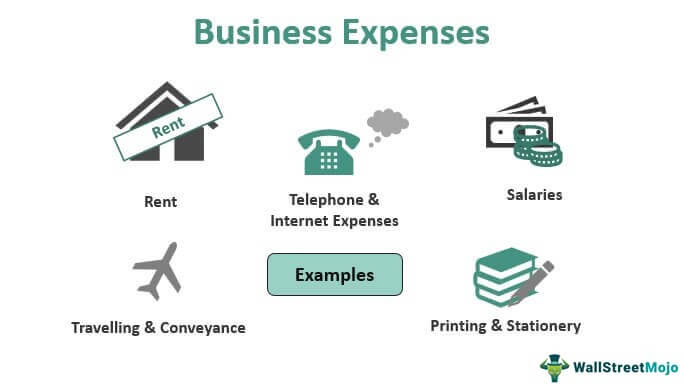
Other than the primary costs, consider future costs. An example is that you may require increasing your inventory as sales are increasing. It is also possible that you could require improvement of equipment or hiring of personnel. Planning will allow you to anticipate these expenses so that they do not cause your business to experience problems with cash flow.
Another area that should be considered when making your financial plan is the angle of tax and start up business deductions. Deductions that the start-up business can make include advertising, travel, and professional fees. Ensure that the recent tax regulations are checked to make full use of these benefits.
Linking Costs with Brand Presentation
It is important to manage costs, but it is also important that you invest in areas that can help build your brand. Take, as an example, the importance of packaging can not be underestimated when you sell tangible items. A good package will enhance customer experience and brand image. It is an investment and a cost, which drives sales.
Once you grow, you can also consider custom branded packaging that allows your business to stand its ground in the current competitive world. These will come into play regarding your budgeting; therefore, incorporate them into your long-term planning.
Final Thoughts
Start up costs go beyond figures on paper. They form the pillar of your trade. When you have these costs estimated and planned correctly, you will minimize risks and stand a better chance of coming up trumps. Always begin with a comprehensive listing, utilize rational estimates, and keep one hand ready to catch the surprises. Proper management of your startup budget means that you will not have to worry about money, but concentrate on growth.