

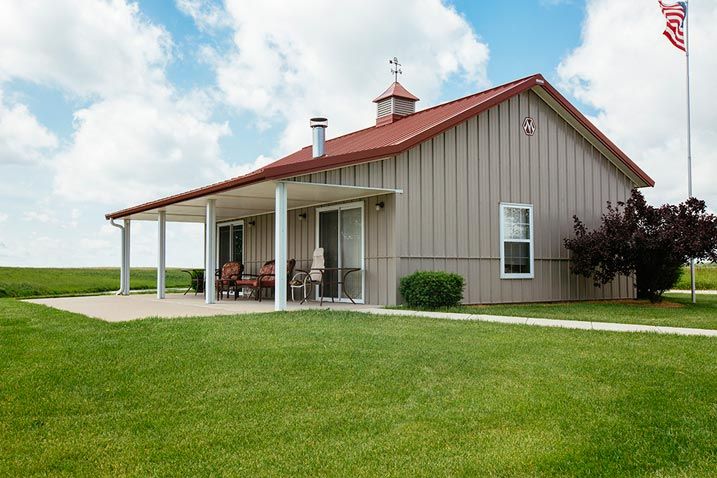
Metal buildings have gained immense popularity in recent years due to their durability, versatility, and cost-effectiveness. Whether you’re looking to purchase a metal building for commercial, industrial, or residential purposes, navigating the buying process can be a bit overwhelming. In this blog, we’ll talk you through the essential steps to make an informed decision when buying a metal building.
Introduction
Metal buildings offer a wide range of benefits, including longevity, resistance to harsh weather conditions, and versatile design possibilities. Whether you need a warehouse, a garage, a barn, or even a residential home, the process of buying a metal building involves careful consideration and planning.
Assessing Your Needs
Begin by identifying your specific requirements. Determine the purpose of the building, its size, the number of doors and windows needed, insulation requirements, and any additional features you may require. This will serve as the foundation for your buying journey.
Choosing the Right Type of Metal Building
Metal buildings come in various types, including clear-span, multi-span, and single-slope. Clear-span buildings offer uninterrupted space, while multi-span structures allow for segmented areas. Single-slope buildings are tilted and often used for modern architectural designs. Choose the type that aligns with your functional and aesthetic needs.
Setting a Budget
Having a clear budget in mind helps narrow down your options. Consider not only the initial cost but also long-term expenses such as maintenance and energy efficiency. Remember that while metal buildings are generally cost-effective, more complex designs and additional features can increase the overall cost.
Selecting a Reputable Manufacturer
Research manufacturers with a strong reputation for producing high-quality metal buildings. Read reviews, ask for references, and examine their portfolio. A reliable manufacturer will guide you through the process, provide transparent pricing, and ensure compliance with industry standards.
Considering Building Permits and Codes
Check local zoning regulations and building codes before finalizing your design. Some areas have restrictions on building size, height, and appearance. Acquiring the necessary permits ensures a smooth construction process without legal hassles.
Customization Options
Modern metal buildings offer a plethora of customization options. From color choices to interior layouts, you can tailor the building to your preferences. Many manufacturers also provide advanced features like skylights, mezzanine floors, and insulation systems.
Understanding Metal Building Components
Familiarize yourself with the essential components of a metal building, such as the framing system, roofing panels, wall panels, and accessories like doors and windows. Understanding these elements will help you make informed decisions during the customization process.
Comparing Quotes
Reach out to multiple manufacturers for detailed quotes. Compare the pricing, included features, and warranties. Be cautious of any hidden costs and ensure that the quotes are comprehensive and transparent.
Checking for Warranties
Warranties provide valuable protection for your investment. Inquire about warranties on structural elements, paint, roofing, and accessories. A reputable manufacturer will offer warranties that reflect their confidence in the quality of their products.
Reviewing Delivery and Installation
Understand the manufacturer’s process for delivery and installation. Ensure that the site is prepared according to their specifications. Professional installation is crucial for the building’s long-term performance and durability.
Foundation Preparation
A solid foundation is essential for the stability of your metal building. Depending on the type of foundation required, ensure that the site is properly excavated and leveled before installation.
Assembling a Project Team
If your project is large and complex, consider assembling a project team including architects, engineers, and contractors. Their expertise will help you design and execute the building to meet your unique requirements.
Environmental Considerations
Morton steel building can be environmentally friendly. Consider options such as cool roofing to reduce energy consumption, rainwater harvesting systems, and recyclable materials. Make choices that align with your sustainability goals.
Conclusion
Buying a metal building is an investment that requires careful planning and consideration. By assessing your needs, understanding the options, and working with reputable manufacturers, you can make a well-informed decision that meets your functional, aesthetic, and budgetary requirements.
FAQs
Q1: Are metal buildings more cost-effective than traditional construction?
A: Yes, metal buildings are generally more cost-effective due to their efficient manufacturing process, durability, and lower maintenance requirements.
Q2: Can metal buildings be customized to my specific requirements?
A: Absolutely, metal buildings offer a wide range of customization options, allowing you to tailor the design, features, and layout to your needs.
Q3: What kind of maintenance do metal buildings require?
A: Metal buildings require minimal maintenance. Regular inspections for rust, damage, and proper sealing of joints are recommended to ensure their longevity.
Q4: How long does it take to get a metal building delivered and installed?
A: The delivery and installation timeline varies based on factors like the manufacturer’s lead time, building complexity, and site preparation. It’s best to discuss this directly with the manufacturer.
Q5: Are there any eco-friendly options for metal buildings?A: Yes, there are several eco-friendly options, including cool roofs, energy-efficient insulation, and using recycled materials, that can enhance the sustainability of your metal building.
