
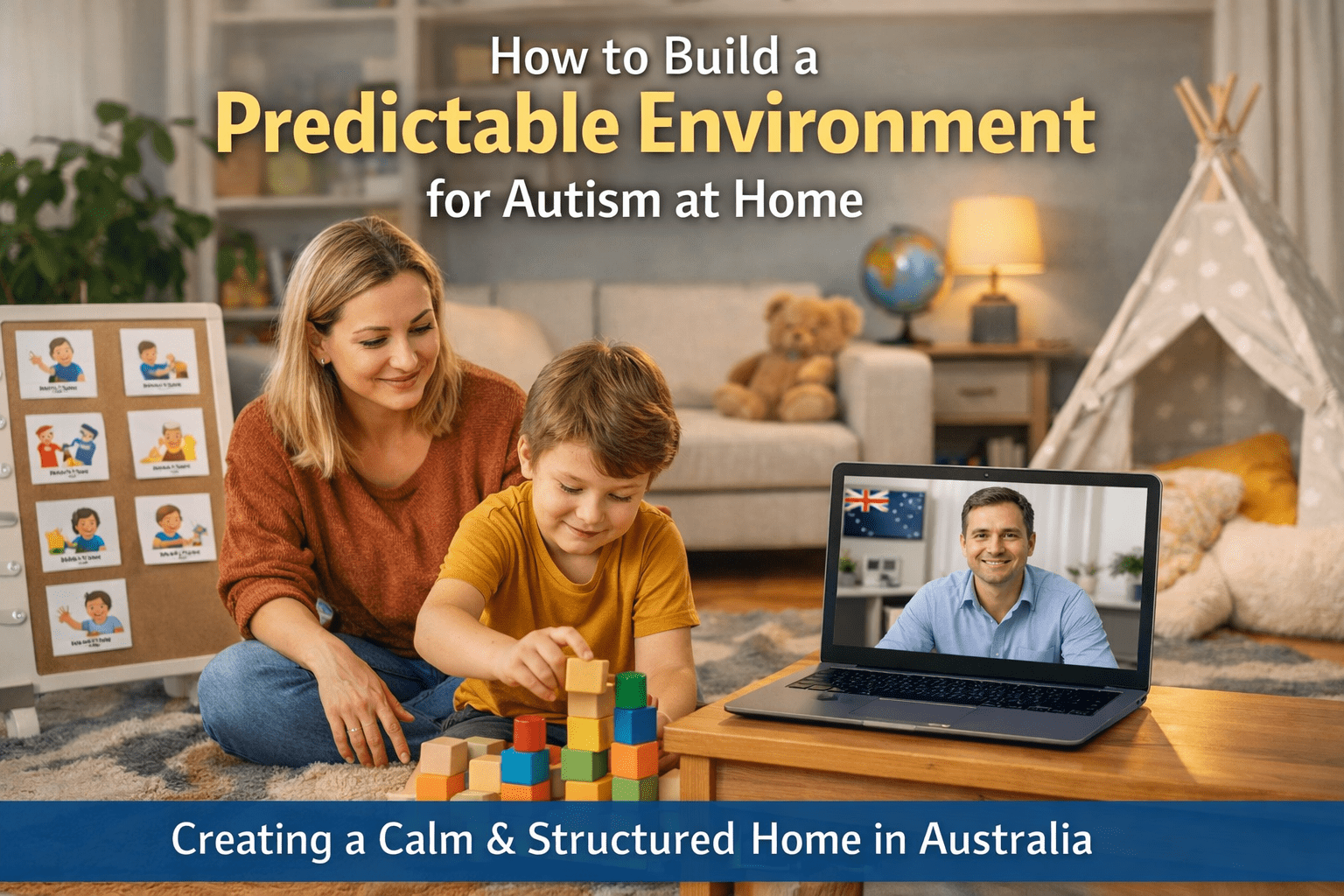
Creating a structured and supportive home is essential for individuals on the autism spectrum. A well-planned Autism lifestyle focuses on consistency, calmness, and clarity helping reduce anxiety while improving independence and emotional wellbeing. In Australia, where families often balance busy routines with care responsibilities, building a predictable home environment can make daily life far more manageable.
In this guide, we’ll walk through practical, evidence-based strategies to help you design a home that supports predictability, sensory comfort, and stability for people with autism.
Why Predictability Matters in Autism
Predictability is more than just routineit’s a sense of security. Many individuals with autism thrive when they know what to expect and when to expect it.
Research and autism support organisations highlight that consistent routines and structured environments can reduce stress and improve emotional regulation . When daily life feels organised and predictable, it becomes easier to navigate transitions, avoid meltdowns, and build confidence.
1. Establish Consistent Daily Routines
One of the most effective ways to create a predictable environment is through routine.
Key Tips:
- Set fixed times for waking up, meals, school, therapy, and bedtime
- Keep weekend routines similar to weekdays (with slight flexibility)
- Break tasks into clear, repeatable steps
A structured routine helps individuals feel safe and reduces uncertainty. Studies show that predictable schedules provide comfort and stability, especially during overwhelming situations .
Pro Tip:
Use visual timetables or chartsMany autistic individuals process visual information better than verbal instructions.
2. Use Visual Supports for Clarity
Visual supports are a game-changer in building predictability.
Examples:
- Picture schedules
- Colour-coded charts
- Labels on drawers, doors, and storage boxes
- Step-by-step visual instructions
These tools help individuals understand expectations and transitions more easily. Visual cues reinforce routines and make daily tasks more accessible and manageable .
3. Design Structured Spaces at Home
A predictable home environment isn’t just about time, it’s also about space.
Create Clear Zones:
- 🛏️ Sleep area (calm and quiet)
- 📚 Learning or study area
- 🎨 Play or activity zone
- 🧘 Calm-down corner
Assigning specific activities to specific areas reduces confusion and supports routine-building. Experts recommend keeping consistent layouts and designated spaces to improve focus and reduce sensory overload .
4. Build a Sensory-Friendly Environment
Sensory sensitivities are common in autism, so managing the home environment is crucial.
Lighting:
- Use soft, natural light instead of harsh fluorescent lighting
- Add dimmable lamps for flexibility
Sound:
- Reduce background noise using rugs, curtains, or soft furnishings
- Consider white noise or calming sounds
Textures:
- Provide comfortable materials (soft blankets, cushions)
- Avoid irritating fabrics
Creating a sensory-friendly home helps prevent overwhelm. Many autistic individuals experience heightened sensitivity to light, sound, and textures, so customising the environment to their needs is essential .
5. Prepare for Changes in Advance
Even in a structured home, change is inevitable. The key is preparation.
Strategies:
- Give advance notice before transitions (e.g., “5 minutes until dinner”)
- Use countdown timers
- Introduce changes gradually
- Include changes in visual schedules
Unexpected disruptions can be distressing, but preparing individuals ahead of time helps smooth transitions and reduce anxiety .
6. Create a Calm-Down Space
Every home should include a dedicated “safe zone” for relaxation.
What to Include:
- Soft lighting
- Comfortable seating or bean bags
- Sensory tools (weighted blankets, fidget toys)
- Noise-cancelling headphones
A calm-down space allows individuals to self-regulate during stressful moments. Experts recommend having a quiet retreat with minimal sensory input to support emotional balance .
7. Keep the Home Organised and Clutter-Free
Visual clutter can lead to sensory overload and confusion.
Practical Steps:
- Use labelled storage boxes
- Keep surfaces clean and minimal
- Rotate toys instead of displaying everything at once
A tidy environment improves focus and predictability. Research shows that organised spaces with clear layouts help reduce stress and improve navigation at home .
8. Focus on Safety and Security
Safety is a crucial part of a predictable environment.
Safety Measures:
- Install childproof locks and safety gates
- Secure furniture and appliances
- Cover electrical outlets
- Use visual signs for rooms and boundaries
Some individuals with autism may not recognise danger in typical ways, so adapting the home environment is essential to reduce risks .
9. Encourage Predictable Communication
Communication should also follow a structured and predictable approach.
Tips:
- Use clear, simple language
- Give one instruction at a time
- Allow extra time for processing
- Use visual or gesture-based communication
Consistency in communication helps build trust and understanding. Structured communication methods are proven to support better interaction and reduce frustration .
10. Personalise the Environment
Every individual with autism is unique, so your home setup should reflect their needs.
Consider:
- Sensory preferences (seeking vs avoiding stimuli)
- Favourite activities and interests
- Daily energy levels and routines
A personalized approach ensures the environment truly supports the individual. Experts emphasise that customisation is key to creating an effective autism-friendly home .
Supporting Autism Lifestyle in Australian Homes
In Australia, families often have access to supports like NDIS services, occupational therapists, and online GP consultations. These resources can help you refine your home environment and develop personalised strategies.
Platforms like HelloDoc can also assist families by connecting them with healthcare professionals who understand autism support needs, making it easier to manage care from the comfort of home.
Common Mistakes to Avoid
While building a predictable environment, watch out for these common pitfalls:
- ❌ Overloading the space with too many sensory tools
- ❌ Changing routines too frequently
- ❌ Ignoring individual preferences
- ❌ Using inconsistent communication styles
Consistency and simplicity are keykeep things structured but flexible enough to adapt when needed.
Final Thoughts
Building a predictable environment for autism at home isn’t about perfection, it’s about consistency, understanding, and thoughtful design. By focusing on routines, sensory balance, and structured spaces, you can create a home that supports comfort, independence, and emotional wellbeing.
A well-planned Autism lifestyle empowers individuals to feel safe, confident, and in control of their daily lives. With the right strategies in place, your home can become a calm, supportive space where everyone thrives.