
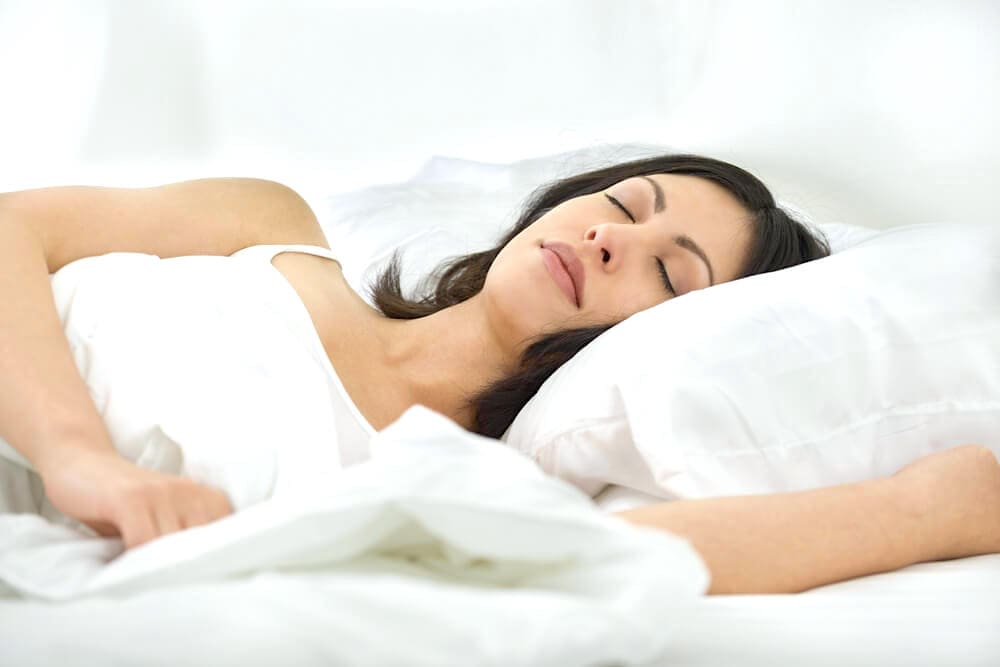
In today’s fast-paced world, stress and sleepless nights have become common. Many people focus on how these affect energy levels, mood, or mental health, but their impact on skin health is often overlooked. Healthy, glowing skin is not only about using the right products; it is also influenced by lifestyle habits, including how well you manage stress and sleep.
Stress and lack of sleep can seriously affect your skin, leading to breakouts, dullness, premature aging, and worsening of existing skin conditions. Understanding these effects can help you take proactive steps to protect your skin.
How Stress Impacts Your Skin
Stress is a natural response of the body to challenges, whether emotional, physical, or environmental. Short-term stress can sometimes be beneficial, but chronic stress is harmful to the skin. One of the primary ways stress affects the skin is through cortisol, the stress hormone.
Elevated cortisol levels increase oil production, which can clog pores and cause acne. Even people who rarely experience breakouts may notice flare-ups during particularly stressful periods.
Stress also accelerates skin aging. Collagen, the protein responsible for skin’s elasticity and firmness, breaks down faster when cortisol levels are high. This can lead to fine lines, wrinkles, and sagging skin. Stress also reduces the skin’s ability to repair itself, making it more vulnerable to environmental damage and premature aging.
This is exactly where JEYANCIE Beauty, loved by skincare enthusiasts, comes to the rescue. Their range of skincare products is designed to nourish, repair, and protect the skin, helping it stay radiant even during periods of stress or sleep deprivation.
By incorporating these products into your routine alongside healthy lifestyle habits, you can maintain your skin’s natural glow and resilience.
The Role of Sleep in Skin Health
Sleep is essential for the body to repair and regenerate itself, and the skin is no exception. During deep sleep, the body produces growth hormones that help repair damaged tissues, including the skin. Lack of sleep interrupts this process, making the skin more prone to problems.
One of the most noticeable effects of sleep deprivation is dark circles and puffiness around the eyes. Poor sleep reduces circulation and causes fluid retention, making blood vessels under the eyes more visible and creating a tired appearance.
Sleep deprivation also negatively affects collagen production. Without sufficient sleep, your skin loses elasticity, which can accelerate the formation of fine lines and wrinkles. The skin’s natural barrier, which protects against bacteria, pollutants, and moisture loss, also becomes weaker when you don’t sleep enough. This can lead to dryness, irritation, and increased sensitivity.
Moreover, lack of sleep increases cortisol levels, which promotes inflammation and excess oil production. This combination can result in breakouts and worsen acne-prone skin. Over time, chronic sleep deprivation leaves the skin looking dull and lifeless, regardless of how good your skincare routine may be.
How Stress and Sleep Deprivation Work Together
Stress and sleep deprivation often feed into each other, creating a cycle that damages the skin. High stress levels can make it difficult to fall asleep, while poor sleep increases stress, further harming the skin. Both factors elevate cortisol, which triggers oil production, inflammation, and faster skin aging.
The combination of stress and sleep deprivation can also affect your overall appearance. You might notice more frequent breakouts, fine lines, dull skin, and redness. Even people with normally healthy skin can be affected, highlighting the importance of lifestyle management alongside skincare routines.
Signs Your Skin is Affected
It is important to recognize when stress and lack of sleep are impacting your skin. Signs to watch for include:
- Increased or sudden acne and breakouts
- Redness, irritation, or worsening of existing skin conditions
- Dark circles, puffiness, and tired-looking eyes
- Fine lines and early signs of aging
- Dry, dull, or uneven skin tone
Once these signs appear, taking steps to reduce stress and improve sleep quality becomes essential for restoring skin health.
Lifestyle Adjustments for Healthier Skin
Protecting your skin from the effects of stress and poor sleep starts with lifestyle changes. Prioritizing sleep is critical. Aim for 7–9 hours of quality sleep each night. Creating a calming bedtime routine, avoiding electronic screens before bed, and keeping your bedroom cool and dark can help.
Stress management is equally important. Regular exercise, meditation, deep breathing, or journaling can significantly reduce tension. Even simple activities, like taking short breaks during the day or going for a walk, can help maintain balance and protect your skin.
Diet also plays a role in skin health. Eating foods rich in antioxidants, omega-3 fatty acids, and vitamins supports the skin from within. Hydration is equally important; drinking enough water ensures that your skin remains plump, supple, and vibrant. Limiting alcohol and caffeine, especially in the evening, can also help improve both sleep quality and skin condition.
Skincare Support
Alongside lifestyle changes, using the right skincare products can help your skin recover from stress and lack of sleep. Gentle cleansers remove impurities without stripping natural oils, while moisturizers strengthen the skin barrier.
Antioxidants, such as Vitamin C, combat free radical damage, and hydrating ingredients like hyaluronic acid restore moisture. Products that support skin repair and calm inflammation are especially useful for stressed or tired skin.
Additional Tips for Radiant Skin
Beyond sleep, stress management, and skincare, several simple practices can improve your skin’s overall health. Protecting your skin from the sun, avoiding harsh chemicals, and practicing mindfulness can reduce the impact of environmental and emotional stressors. Gentle facial massages can improve circulation and promote a healthy glow, while relaxation practices like yoga or meditation can lower cortisol levels.
Consistency is key. Combining proper sleep, stress management, healthy nutrition, and a targeted skincare routine produces the best results over time. The skin reflects what’s happening inside the body, so holistic care is essential for achieving a radiant, healthy complexion.
Final Thoughts
Stress and lack of sleep are silent threats to your skin’s health and beauty. They can lead to acne, dullness, premature aging, and flare-ups of existing conditions. However, with mindful lifestyle adjustments and the right skincare support, it is possible to maintain radiant, healthy skin.
Healthy skin starts with balance. Adequate sleep, stress management, proper nutrition, and effective skincare all contribute to a glowing complexion. By taking a proactive approach and incorporating products and habits that support your skin’s natural repair processes, you can protect it from the visible and invisible effects of stress and sleepless nights.
JEYANCIE Beauty offers products formulated to help your skin recover, strengthen, and shine even in challenging times. Remember, glowing skin is a reflection of overall wellness, and with the right care, it is achievable for everyone.
