
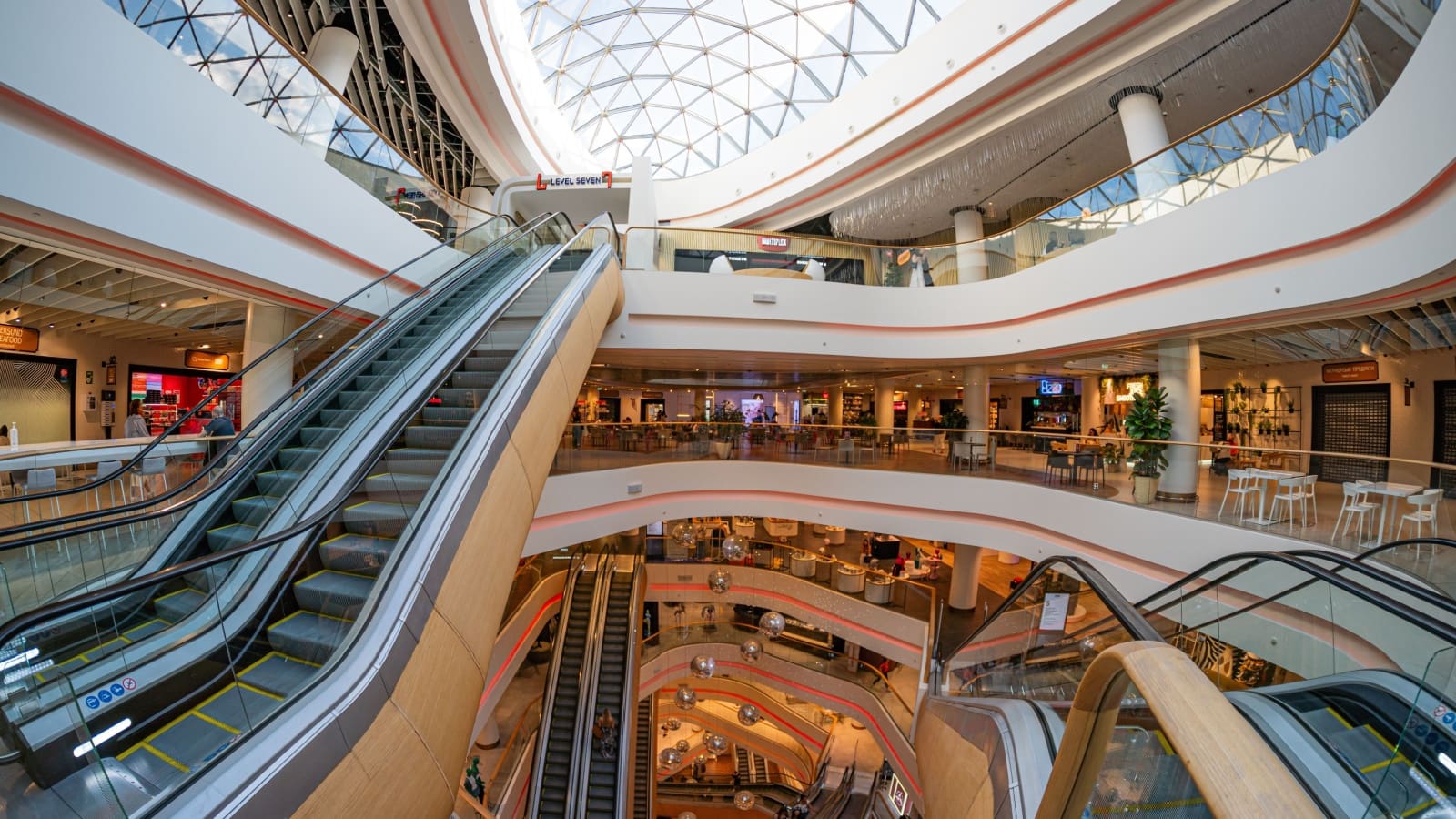
Shopping malls are high-traffic environments where safety and accessibility are paramount. A well-maintained parking lot and surrounding walkways are not just about aesthetics—they directly impact customer experience, operational efficiency, and legal liability. Slips, trips, and vehicle-related accidents can expose mall owners and management companies to lawsuits, insurance claims, and reputational damage. Proper paving, routine inspections, and timely maintenance are critical strategies to reduce these risks. From resurfacing damaged areas to installing safe drainage systems, every improvement plays a role in protecting visitors and employees. Below are some essential ways shopping malls can reduce liability through proper paving.
Regular Pavement Inspections to Identify Hazards Early
Routine inspections are the first step in minimizing liability. Parking lots, driveways, and walkways experience constant wear from vehicles, weather, and foot traffic. Cracks, potholes, and uneven surfaces can develop quickly, creating tripping hazards for pedestrians and damage risks for vehicles.
Conducting regular inspections allows management to identify these issues early, schedule timely repairs, and document maintenance efforts. Inspection logs also serve as evidence that proactive safety measures are in place, which can be valuable if liability claims arise. By staying ahead of pavement deterioration, shopping malls not only protect customers but also extend the lifespan of their surfaces, reducing long-term repair costs.
Using High-Quality Materials
Investing in durable paving materials ensures long-lasting surfaces that withstand heavy traffic and adverse weather conditions. Quality asphalt or concrete installation reduces the risk of premature cracking, potholes, and surface unevenness.
A reputable Denver paving contractor can provide professional installation, proper grading, and materials specifically suited for high-traffic commercial areas. Correctly installed surfaces minimize water pooling, improve traction, and enhance overall safety. High-quality paving may require a larger initial investment but significantly reduces ongoing maintenance costs and legal exposure. For shopping malls, partnering with experienced paving professionals ensures that liability risks are minimized while providing a safe and visually appealing environment for visitors.
Maintaining Clear Parking Lot Markings and Signage
Even a well-paved surface can become a liability if drivers and pedestrians are confused about traffic flow. Clear lane markings, crosswalks, directional arrows, and parking stalls guide vehicles safely and reduce the chance of collisions.
Signage indicating speed limits, handicapped parking, and pedestrian zones is equally important. Faded or missing markings can cause confusion, accidents, or claims of negligence. Regular repainting and inspection of signage ensure that everyone—shoppers, employees, and delivery personnel—understands the designated traffic paths. A clearly marked parking lot communicates professionalism and enhances safety while lowering the potential for accidents that could lead to liability claims.
Implementing Proper Drainage Systems to Prevent Water Hazards
Water accumulation on paved surfaces creates slipping risks, accelerates pavement deterioration, and increases liability exposure. Proper grading, gutters, and drainage systems prevent water from pooling in pedestrian or vehicle areas.
Effective drainage reduces ice formation in colder months and prevents mud or puddles that can cause slips, vehicle skidding, or damage to nearby structures. Incorporating permeable paving in select areas also helps manage stormwater naturally, improving sustainability. Well-planned drainage is an often-overlooked aspect of liability prevention, but it plays a crucial role in ensuring a safe environment for mall visitors.
Timely Repairs and Preventive Maintenance
Even high-quality pavement will eventually require maintenance. Scheduling preventive repairs such as crack sealing, patching potholes, and sealcoating extends the life of the parking lot and walkways while minimizing hazards.
Prompt attention to damages shows that mall management prioritizes safety and reduces legal exposure. Preventive maintenance also avoids more expensive, large-scale repairs in the future. Documenting maintenance activities, including dates, photos, and invoices, provides proof that proactive measures were taken to protect visitors. For commercial property managers, staying on top of maintenance is a cost-effective way to lower liability risks and maintain a safe, professional appearance.
Enhancing Lighting for Visibility and Safety
Proper lighting is essential for pedestrian and driver safety, especially during evening hours or in areas with poor natural light. Well-lit parking lots, walkways, and entrances reduce the risk of slips, trips, and vehicle collisions.
Lighting also deters criminal activity, further protecting visitors and employees. LED fixtures, motion sensors, and strategically placed lamps can create uniform illumination without excessive energy costs. By investing in proper lighting, shopping malls not only improve safety but also demonstrate due diligence in preventing accidents and liability claims. A well-lit environment gives shoppers confidence and contributes to a positive reputation.
Educating Staff and Visitors About Safety Procedures
Even with top-notch paving, proper signage, and lighting, human behavior impacts safety outcomes. Staff training on emergency procedures, spill management, and reporting damaged surfaces ensures quick action when hazards arise.
Providing clear instructions to visitors, such as temporary caution signs around wet areas or construction zones, further reduces accident risks. Establishing a safety culture reinforces that management prioritizes prevention and protection. Combining staff awareness with high-quality paving, lighting, and drainage creates a comprehensive approach to liability reduction.
Incorporating Accessible Design to Meet ADA Requirements
Shopping malls have a responsibility to ensure that all visitors, including those with disabilities, can navigate the property safely. Incorporating accessible design features is not just about compliance with the Americans with Disabilities Act (ADA)—it also reduces liability by preventing accidents and accommodating diverse visitor needs.
Accessible design elements include ramps, curb cuts, wider walkways, and clearly marked handicapped parking spaces. Paved surfaces should be smooth, level, and free of cracks or obstacles that could cause trips or falls for wheelchair users, elderly visitors, or those with limited mobility. Tactile paving and visual cues can further enhance accessibility and safety.
By integrating these features during new paving projects or upgrades, mall management demonstrates proactive responsibility and reduces the risk of lawsuits or claims related to accessibility failures. Accessible design also improves the overall experience for shoppers, encouraging longer visits and repeat business. When paired with regular inspections and maintenance, ADA-compliant paving ensures both safety and legal protection for commercial properties.
Seasonal Inspections and Winter Maintenance Strategies
Seasonal changes present unique challenges for shopping mall safety. Freeze-thaw cycles, snow, and ice can damage pavement and create hazardous conditions for visitors. Conducting seasonal inspections ensures that these issues are identified and addressed before they result in accidents or liability claims.
Winter maintenance strategies may include applying de-icing agents, clearing snow promptly, and monitoring for ice accumulation in walkways and parking lots. Cracks and potholes created by winter weather should be repaired quickly to prevent tripping hazards and further pavement deterioration. Seasonal inspections are not limited to winter—they should also include spring, summer, and fall assessments to identify drainage issues, erosion, or sun damage.
Documenting these inspections and corrective actions provides a clear record that mall management actively prioritizes visitor safety. A proactive approach minimizes legal exposure, keeps parking lots and pathways safe year-round, and preserves the quality and longevity of the paved surfaces.
Using Anti-Slip Coatings and Surface Treatments for High-Traffic Areas
High-traffic areas such as entrances, crosswalks, and escalator approaches are especially prone to slips and falls. Applying anti-slip coatings and surface treatments can significantly reduce these risks. These treatments improve traction on both asphalt and concrete surfaces, even in wet or icy conditions.
Anti-slip coatings are available in clear or tinted options, making it possible to maintain the aesthetic of the pavement while enhancing safety. Textured finishes and sealants also protect the surface from wear and extend the life of the pavement. Regular inspection ensures that coatings remain effective and that high-use areas are monitored for early signs of deterioration.
For shopping malls, investing in these treatments demonstrates a commitment to visitor safety and reduces the likelihood of accidents that could result in liability claims. Combined with proper drainage, lighting, and regular maintenance, anti-slip surfaces create a secure environment for pedestrians in all conditions.
Coordinating With Contractors to Minimize Disruption and Risk
Paving and maintenance projects often involve contractors and heavy equipment, which can introduce additional hazards if not carefully managed. Coordinating with contractors ensures that work is performed safely and efficiently, minimizing disruptions for both visitors and mall operations.
Effective coordination includes scheduling work during off-peak hours, clearly marking construction zones, and using barricades or signage to keep pedestrians and vehicles away from active areas. Regular communication between mall management and contractors helps anticipate challenges and prevent accidents during construction. Additionally, verifying that contractors follow safety standards and use proper protective equipment reduces liability risks.
Documenting all contractor activities and safety measures provides a clear record that mall management took proactive steps to protect visitors. By managing construction projects carefully, shopping malls can upgrade or maintain their paving while ensuring public safety and preserving legal protection.
Implementing a Reporting System for Visitor Safety Concerns
Even with thorough maintenance and proactive paving strategies, hazards may still arise. Implementing a reporting system allows visitors and staff to quickly alert management to potential safety issues, such as damaged pavement, standing water, or debris.
A simple system can include dedicated phone lines, mobile apps, or clearly posted forms for reporting concerns. Prompt response to reports ensures that hazards are addressed quickly, reducing the risk of accidents and potential liability claims. Documenting reported issues and the actions taken provides evidence of diligence and care, demonstrating that mall management prioritizes visitor safety.
By encouraging staff and visitors to participate in hazard reporting, shopping malls create a culture of safety awareness. Combined with regular inspections, high-quality paving, and preventive maintenance, a reporting system ensures that potential risks are identified and resolved before they lead to accidents or injuries.