
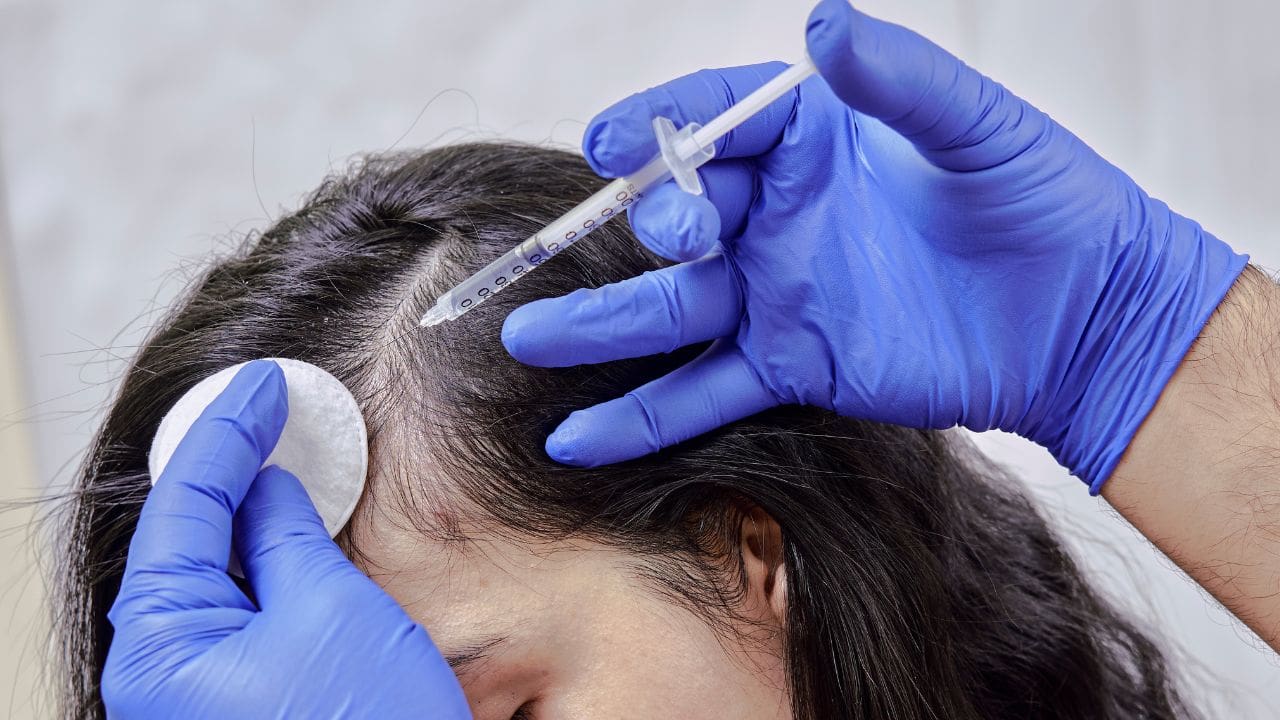
For many women, reaching their 40s feels empowering life experience, confidence, and maturity all come together. But one change can be hard to ignore: thinning hair.
You might notice your ponytail looks smaller or that more strands collect in your hairbrush. While it’s normal to shed some hair every day, for many women, this loss becomes more noticeable after 40.
Luckily, science offers a natural, non-surgical solution called PRP therapy or Platelet-Rich Plasma treatment. It’s safe, it uses your own blood, and it has shown remarkable success in helping women restore thicker, fuller hair.
Let’s explore how PRP works, why women over 40 benefit most, what results to expect, and how much the treatment costs in the Netherlands.
Why Hair Thinning Happens After 40
Hair thinning in women is more common than you might think. According to the American Academy of Dermatology (AAD), about 40% of women experience some level of hair loss by age 50. (Source : AAD).
The main reason is hormonal change. After 40, estrogen levels drop and androgens (male hormones) can increase. This imbalance causes hair follicles to shrink and produce thinner strands over time.
Other key factors include:
- Menopause: When estrogen decreases, the growth phase of hair (anagen phase) shortens, making strands thinner and weaker over time due to reduced follicle activity.
- Genetics: If your mother or grandmother had thinning hair, you’re more likely to experience it too, as inherited genes can affect how sensitive your hair follicles are to hormones.
- Poor scalp circulation: Reduced blood flow weakens follicles, limiting the oxygen and nutrients they need to produce strong, healthy hair strands.
- Nutrient deficiency: Low levels of iron, zinc, or vitamin D can reduce hair strength, slowing down growth and causing strands to become brittle or fall out more easily.
- Stress: Chronic stress can push more hair into the “resting” phase, disrupting the natural growth cycle and causing noticeable thinning or increased daily shedding.
While many women try supplements, shampoos, or oils, these often target symptoms not the root cause. That’s where PRP therapy is different: it activates your body’s natural ability to regrow hair from within.
What Is PRP and How Does It Work?
PRP stands for Platelet-Rich Plasma. It’s a regenerative treatment that uses the healing components of your own blood to repair and stimulate tissues, in this case, your hair follicles.
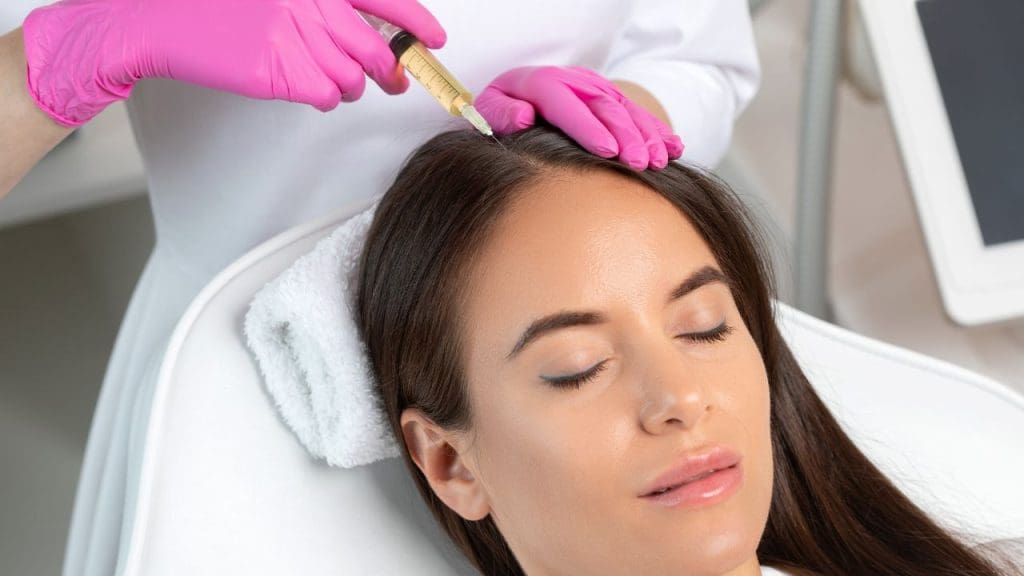
Here’s how the process works, step by step:
- Blood Collection: A small amount of your blood is drawn, just like a regular blood test. This sample contains red cells, white cells, and plasma.
- Centrifugation: The collected blood is placed in a special centrifuge machine that spins it at high speed. This process separates the components of the blood, isolating the plasma that’s rich in platelets and growth factors.
- Extraction of PRP: The doctor carefully extracts the platelet-rich plasma (PRP) , the golden-colored layer that contains the healing and regenerative properties needed for the treatment.
- Injection into the Scalp: The PRP is then injected into areas of the scalp where hair is thinning. These growth factors help stimulate dormant hair follicles, improve blood flow, and encourage new hair growth.
- Post-Treatment Care: After the procedure, patients can resume normal activities almost immediately. Mild redness or sensitivity may occur, but it usually fades within a day or two.
These growth factors including PDGF (platelet-derived growth factor) and VEGF (vascular endothelial growth factor) improve blood supply, stimulate collagen production, and “wake up” inactive follicles.
According to Frontiers in Medicine (2022), PRP therapy helps extend the hair’s growth cycle and thickens existing strands. Because it uses your own cells, the risk of allergic reaction or infection is extremely low. (Source: Frontiers in Medicine).
What Science Says About PRP’s Effectiveness
Several medical studies have confirmed PRP’s success in treating female hair loss.
- A 2022 PubMed study by Hetz et al. tested PRP on 56 patients (average age 41). After three sessions, hair density increased significantly, with improved hair thickness and less shedding. (Source: PubMed Study).
- A ScienceDirect review by Stevens et al., 2019, found a 20–30% increase in new hair growth within three months. (Source: ScienceDirect Research).
- According to Dr Michele Green MD, a board-certified dermatologist in New York, PRP works particularly well for women with early or moderate hair thinning.(Source: Michele Green MD).
- A Dove Press Review (2021) also confirmed visible improvement in 84% of participants treated with PRP. (Source: Press Review).
These results prove that PRP isn’t a temporary “beauty trend” , it’s a scientifically supported solution for age-related hair thinning.
Why PRP Works So Well for Women Over 40
Women over 40 are ideal candidates for PRP therapy because the follicles are usually still alive but less active. Instead of replacing hair with surgery, PRP simply reactivates what’s already there.
Key advantages include:
- Natural approach: It relies on your body’s own healing power rather than synthetic chemicals or hormones, making it a safe and biologically compatible treatment.
- Non-invasive: The procedure involves no cuts, no scars, and requires no downtime, allowing you to return to your daily routine right after treatment.
- Safe and long-lasting: Once stimulated, the hair follicles stay active for several months, continuing to produce thicker and healthier strands over time.
- Confidence boost: Fuller, healthier hair often improves self-esteem, helping you feel more positive and confident about your appearance.
Research from Harvard Health (2020) also found that PRP’s regenerative power helps restore blood flow and nutrients to aging follicles making it perfect for mid-life hair rejuvenation. (Source: Harvard Health)
Visible Results and Recommended Treatment Schedule
Results Timeline
- After 1–2 months: You’ll notice less hair shedding.
- After 3–4 months: New baby hairs start appearing.
- After 6 months: Hair feels thicker and denser.
- After 12 months: Many patients see visibly fuller hair overall.
A study in Actas Dermo-Sifiliográficas (2020) confirmed that most patients report improvements within the first 12 weeks of consistent treatment. (Source: Actas Dermo Study).
Number of Sessions
Doctors usually recommend three initial sessions spaced 4–6 weeks apart, followed by maintenance every 6–12 months.
PRP Treatment Cost in the Netherlands
The cost of PRP treatment depends on factors like the clinic’s reputation, the technology used, and the number of sessions required. In the Netherlands, prices typically range between €300 and €700 per session, though premium clinics may charge slightly more due to advanced equipment and expertise.
If you want to explore PRP treatment options and get accurate pricing details, visit prp behandeling haar prijs. It provides clear information about the procedure, expected results, and transparent pricing before you begin.
What affects the price:
- Number of sessions required
- Type of centrifuge and PRP kit used
- Doctor’s qualifications and experience
- Clinic location and facilities
- Optional add-ons like scalp microneedling or vitamin boosters
While price matters, always choose quality and medical expertise over a lower fee. A trained professional ensures better results and minimizes risks.
Benefits of PRP Hair Treatment
- Completely natural: Uses your own plasma with no chemicals or synthetic substances.
- Clinically proven: Supported by global studies and dermatology research.
- Safe and non-surgical: No downtime; resume normal life immediately.
- Long-lasting results: Visible improvement continues for months after treatment.
- Healthier scalp: Improves circulation, collagen, and follicle strength. (Source: PMC Research)
Tips to Maximize PRP Results
To get the best outcome after your treatment:
- Eat a nutrient-rich diet: Include lean proteins, leafy greens, and omega-3 fats.
- Take your vitamins: Iron, zinc, vitamin D, and biotin all support hair health.
- Reduce stress: Meditation, yoga, or regular exercise can help control stress-related shedding.
- Avoid harsh styling: Limit chemical dyes and excessive heat.
- Stay consistent: Don’t skip maintenance sessions; results build over time.
- Track your progress: Take monthly photos to see your transformation clearly.
According to Mercuri et al. (2021), platelet concentration plays a major role; higher platelet levels produce stronger, thicker hair. So, working with a skilled clinic ensures the best preparation and results. (Source: PMC ).
Possible Side Effects
PRP is extremely safe because it’s made from your own blood. Still, minor effects may appear, such as: Mild redness or swelling may occur at the injection site, along with mild scalp sensitivity or tiny bruises that usually disappear within 1–2 days.
Severe reactions are rare, but people with blood or platelet disorders should avoid PRP. Always consult a qualified professional before beginning treatment.
Your Natural Solution for Fuller Hair After 40
For women over 40, PRP is a scientific, natural, and non-invasive way to reclaim hair volume and confidence.Instead of covering up thinning areas, it helps your body regrow healthy hair from within.
Studies from Healthline and PubMed confirm consistent improvements after three sessions, with lasting results when maintained properly. (Source: Healthline, PubMed).
If you’re noticing thinning, don’t wait until it’s severe PRP works best when follicles are still active. Consult a certified dermatologist or clinic to discuss your treatment plan and see if PRP is right for you. Because your hair isn’t gone it’s just waiting for a natural boost to shine again.