
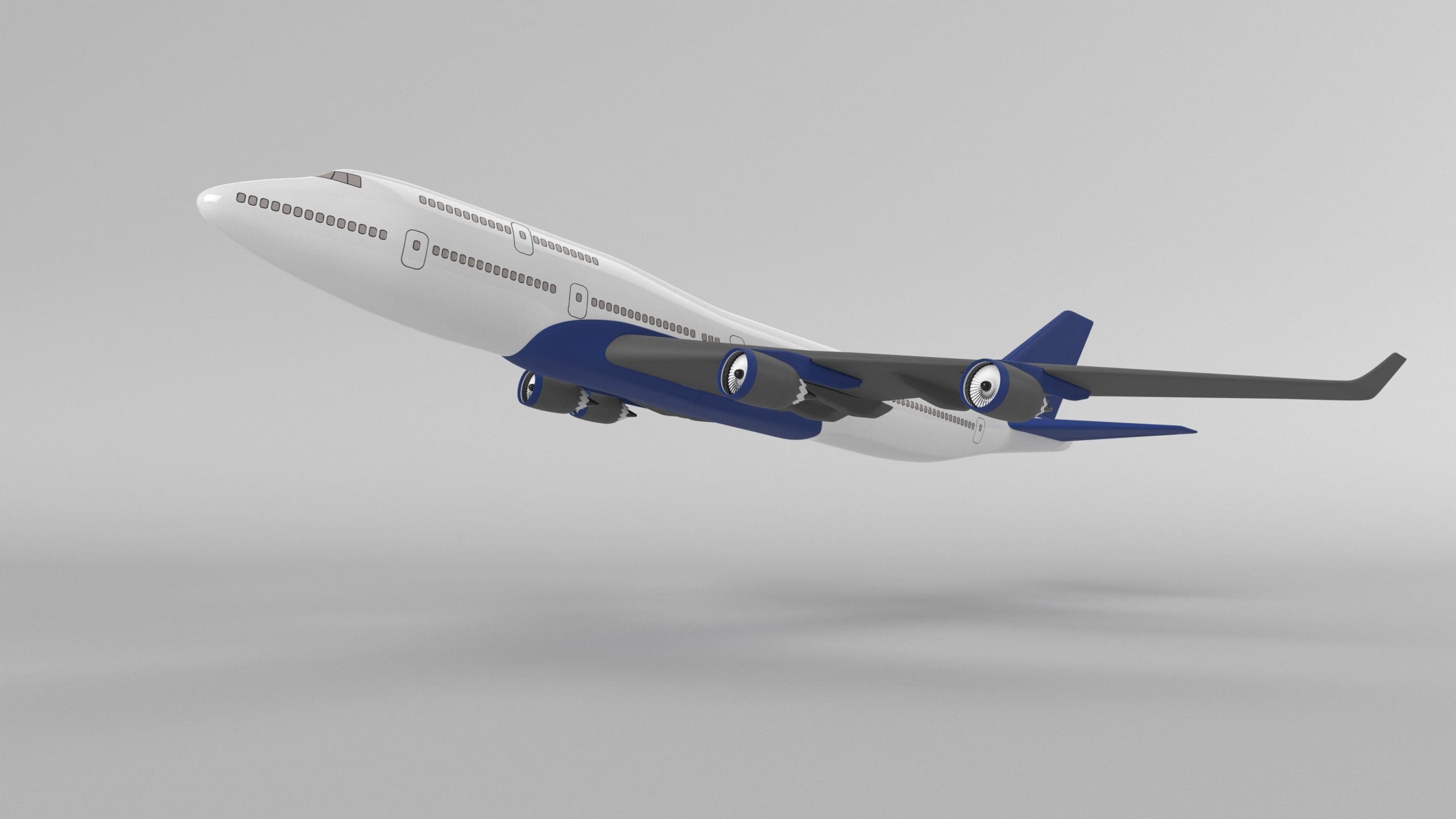
Aircraft are complex machines where every system must operate in precise coordination. From power generation to motion control, many critical functions rely on electro mechanical components. When these components perform reliably, aircraft operate safely, efficiently, and for longer service lives.
However, when wear is ignored or repairs are delayed, even small issues can escalate into costly failures. Proper repair of electro mechanical components is not merely a maintenance task, it is a strategic approach to extending aircraft lifespan while controlling operational risk and expense.
What Are Electro Mechanical Components in Aircraft?
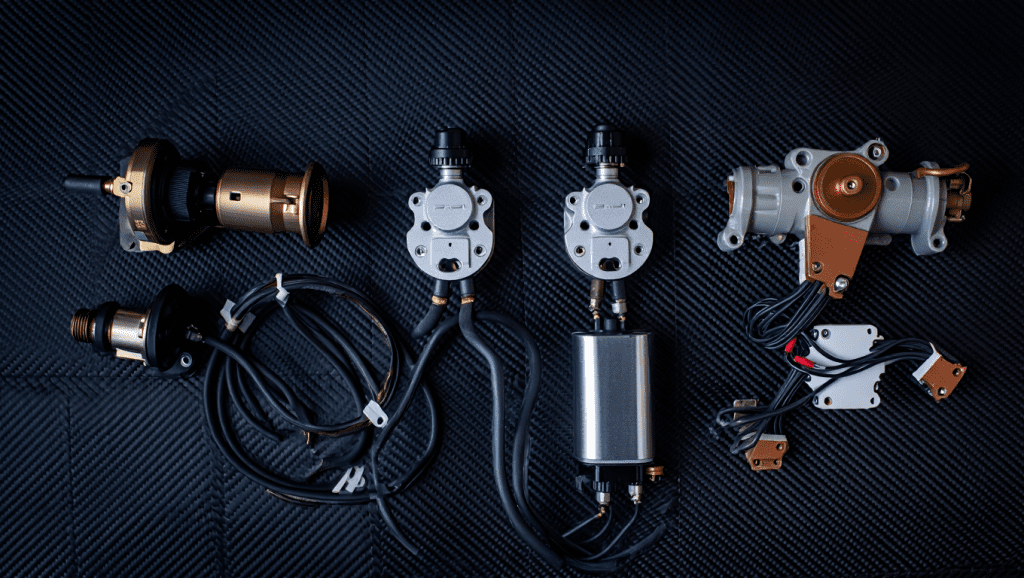
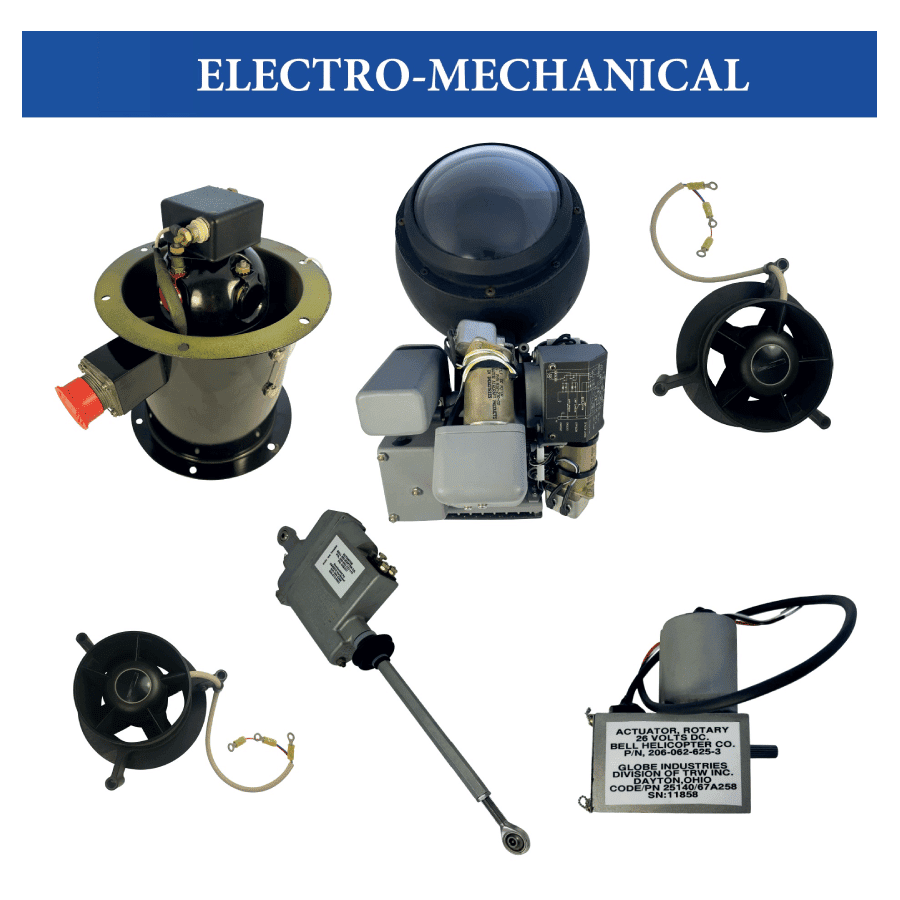
These mechanical components are devices that combine electrical energy with mechanical movement to perform essential aircraft functions. These components convert electrical signals into physical action or regulate electrical power within aircraft systems.
Common examples include actuators, starter generators, relays, contactors, motors, pumps, converters, and voltage regulators. They are found throughout the aircraft, supporting systems such as power distribution, flight control surfaces, lighting, braking, environmental control, and engine starting.
Because these aircraft electrical components directly influence aircraft operation and safety, their condition has a direct impact on overall performance and longevity.
Why Electro Mechanical Components Wear Over Time
Electro mechanical components operate under demanding conditions. Constant electrical loads, repetitive mechanical motion, vibration, heat, and environmental exposure gradually affect internal parts. Over time, insulation degrades, contacts wear down, bearings loosen, and alignment shifts.
Environmental factors such as moisture, dust, temperature changes, and pressure cycles further accelerate wear. While this deterioration is expected, problems arise when early signs are overlooked. Minor inefficiencies can place additional strain on connected systems, increasing the risk of sudden failure and reducing the usable life of the aircraft.
How Proper Repair Improves Aircraft Lifespan
Timely and professional repair plays a vital role in protecting aircraft systems and ensuring long-term reliability. When airplane electrical components are restored correctly, they contribute directly to extending aircraft service life.
1. Restores Component Performance
Proper repair brings components back to their intended operating condition. Electrical efficiency, mechanical accuracy, and response times are restored, allowing systems to function as designed.
2. Prevents System Damage
Faulty components can damage surrounding systems by causing voltage fluctuations, excessive heat, or mechanical imbalance. Repairing issues early prevents secondary failures that shorten aircraft lifespan.
3. Reduces Mechanical Stress
Worn or misaligned parts increase friction and vibration. Repairs reduce unnecessary stress on motors, actuators, and structural interfaces, helping maintain overall system balance.
4. Ensures Stable Operations
Reliable electro mechanical components provide consistent power and motion control. This stability supports predictable aircraft performance during all phases of operation.
5. Limits Unexpected Downtime
Sudden failures often result in aircraft-on-ground situations. Proper repair minimizes unplanned maintenance events, keeping aircraft operational and schedules intact.
6. Improves Long-Term Reliability
Well-maintained components perform more consistently over time, allowing aircraft to remain airworthy and dependable across extended service intervals.
Repair vs. Replacement: Why Repair Often Makes More Sense
While replacement may appear to be a straightforward solution, it is not always the most practical or economical option. Repairing electro mechanical components often provides substantial advantages.
Repair solutions typically cost significantly less than purchasing new OEM parts. Turnaround times are also faster, helping operators reduce downtime. In addition, repaired components retain original system compatibility, avoiding integration challenges that may arise with newer replacements.
When performed by certified facilities using approved procedures, repaired components can meet or exceed original performance standards, making repair a smart and sustainable maintenance choice.
The Importance of Certified Repair Processes
Not all repairs deliver the same results. Certified repair processes ensure that airplane electrical components are restored safely, consistently, and in compliance with aviation regulations.
1. Ensures Regulatory Compliance
Certified repair processes are designed to meet strict FAA and EASA regulations. Approved repair stations operate under clearly defined guidelines, ensuring every component complies with mandatory airworthiness and operational standards before returning to service.
2. Protects Aircraft Safety and Airworthiness
Certification plays a critical role in maintaining flight safety. Repaired electro mechanical components are validated to perform reliably under real-world operating conditions, reducing the risk of in-flight malfunctions and ensuring continued aircraft airworthiness.
3. Follows Approved Repair Procedures
Certified repairs rely on documented, manufacturer-aligned procedures. Technicians use approved methods, calibrated tooling, and aviation-grade materials to restore components to their intended functional state.
4. Uses Thorough Testing and Verification
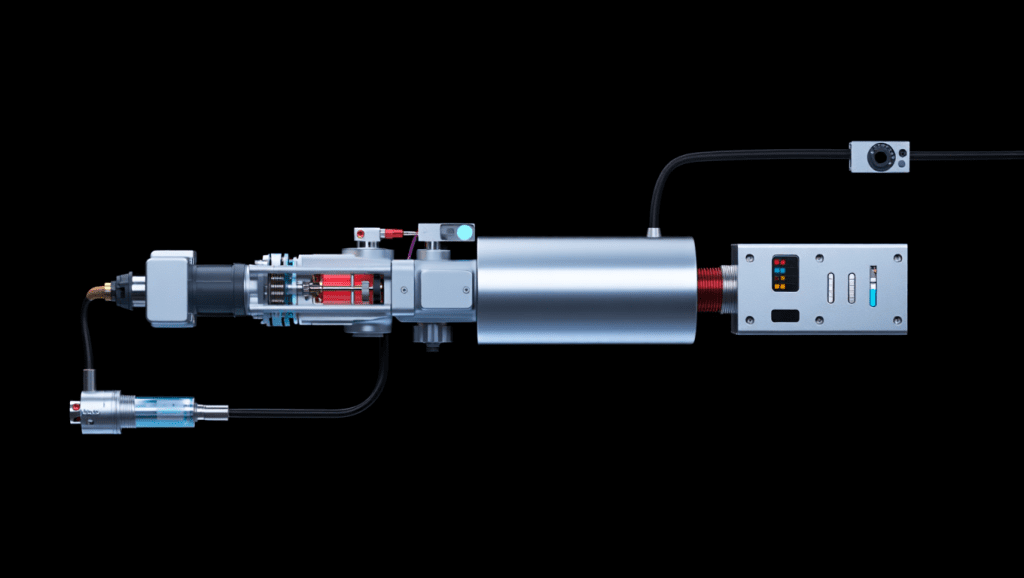
Each repaired aircraft electrical component undergoes functional and performance testing to confirm electrical integrity, mechanical accuracy, and operational reliability. Testing ensures the component performs consistently within specified tolerances.
5. Maintains Complete and Accurate Documentation
Certified repair stations provide detailed maintenance records, including inspection results, repair actions, and test data. This documentation supports traceability, simplifies regulatory audits, and strengthens long-term maintenance planning.
6. Delivers Consistent Repair Quality
Standardized processes ensure uniform repair outcomes across different components and aircraft platforms. This consistency helps operators maintain predictable performance and reduces variability in component behavior.
Conclusion
Electro mechanical components play a critical role in aircraft safety, performance, and longevity. As these components age, proper repair becomes essential to maintaining reliable operations and extending aircraft lifespan. By restoring performance, reducing stress on systems, preventing secondary damage, and supporting regulatory compliance, certified repair processes offer long-term value to aircraft operators.
Rather than viewing repair as a short-term fix, it should be recognized as a proactive maintenance strategy, one that protects investments, enhances safety, and ensures aircraft remain operational for years to come. Choosing experienced, certified repair partners ultimately strengthens fleet reliability and supports sustainable aviation operations.
NAASCO delivers FAA and EASA-approved electro mechanical solutions built for reliability. Request a quote today!