
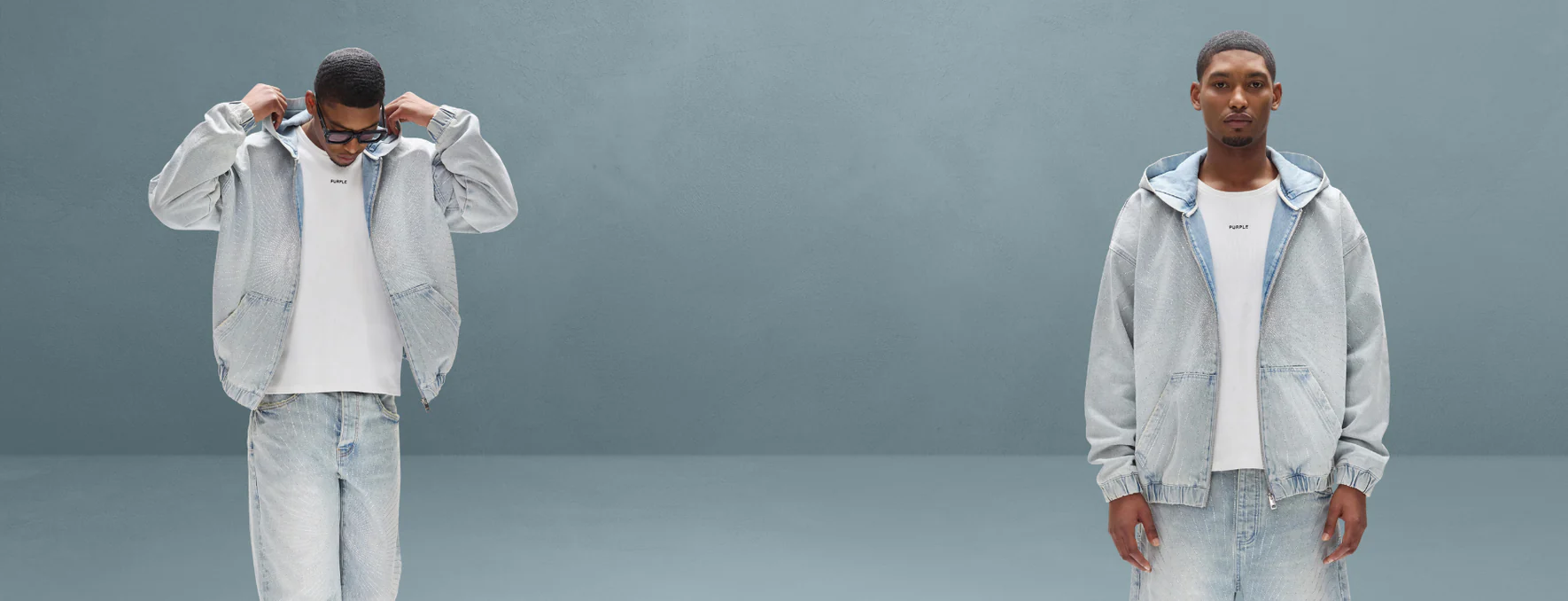
Fashion ecommerce brands are investing heavily in paid traffic, influencer campaigns, and social media visibility. Yet many stores still struggle to convert visitors into paying customers. The missing piece is often not traffic but merchandising strategy. Product curation has become one of the most effective levers for improving conversion rates because it shapes how customers experience a store, how quickly they make decisions, and how much they spend per session.
In the current retail landscape, curated boutiques are outperforming bulk inventory stores by offering focused assortments, stronger brand identity, and clearer category structures. A well-executed curation model, similar to what you see at Gravity NYC, demonstrates how controlled product selection can drive higher engagement and more consistent sales.
Why Too Much Choice Hurts Fashion Conversion Rates
Large catalogs create friction. When shoppers are presented with hundreds of similar products, they delay decisions, compare endlessly, and often leave without purchasing. This behaviour increases bounce rates and reduces add to cart activity.
Curation reduces cognitive load. Instead of asking customers to filter through excessive options, it presents a refined selection where every product aligns with the store’s aesthetic and target market. This shortens the path to purchase and increases buyer confidence.
The Link Between Brand Mix and Purchase Confidence
Conversion in fashion is heavily influenced by perceived authority. Stores that carry a random mix of unrelated products struggle to build trust. Curated retailers focus on a defined style direction and select brands that complement each other.
A focused brand environment, like the one created by Gravity NYC, signals expertise. Customers are more likely to purchase when they feel the store understands a specific fashion culture rather than trying to serve everyone.
This brand alignment also improves session quality. Visitors who identify with the aesthetic stay longer, view more products, and build outfits instead of browsing individual items.
Category Clarity and Faster Buying Decisions
Navigation structure plays a direct role in conversion rate. Clear, well-defined categories help users find what they want quickly.
For example, a dedicated graphic streetwear category, such as Roughplay Clothing, allows customers to immediately access statement pieces without scrolling through unrelated products. This type of segmentation improves product discovery and increases add-to-cart behaviour.
Focused categories also support visual merchandising. Hero items appear first, complementary pieces follow, and the customer naturally builds a complete look.
Premium Product Tiers Increase Average Order Value
Curation is not only about reducing SKUs. It is also about structuring price architecture to encourage higher basket values.
Premium denim is a strong anchor product in streetwear. When positioned correctly, it drives outfit-based purchasing and raises average order value. A dedicated premium tier, such as Gravity Nyc Serenade, demonstrates how high-quality denim can function as a conversion catalyst rather than just another product listing.
Customers often start with a premium item and then add complementary pieces, which increases revenue per visitor without relying on aggressive discounting.
Visual Merchandising and Conversion Psychology
Curated stores guide the customer journey through product placement and visual hierarchy. Instead of displaying items randomly, they present:
- Hero products at the top
- Complementary items grouped together
- Consistent styling across collections
This structure mirrors in-store merchandising and creates a smoother online shopping experience. When customers can visualise complete outfits, they are more likely to purchase multiple items in one session.
Data Signals That Prove Curation Works
Fashion ecommerce brands that adopt a curated merchandising model typically report:
- Lower bounce rates due to clearer navigation
- Higher add to cart rates from reduced decision fatigue
- Longer session durations driven by cohesive product storytelling
- Increased average order value through premium product tiers
These performance indicators directly impact profitability, especially as customer acquisition costs continue to rise.
A Practical Curation Framework for Fashion E-commerce
Retailers looking to improve conversion rates can implement a structured curation strategy:
Define a clear aesthetic.
Select brands and products that serve a specific customer profile.
Limit SKU depth per category
Avoid overwhelming users with excessive variations.
Create intentional product tiers
Use entry, core, and premium levels to guide purchasing behaviour.
Merchandise for outfits, not single items
Encourage bundling through complementary product placement.
Maintain consistent visual identity
Ensure photography, styling, and layout reinforce brand positioning.
This approach transforms the store from a product database into a guided shopping experience.
Why Curation Is a Profit Strategy, Not Just a Branding Choice
As paid traffic becomes more expensive, conversion rate optimization is the most sustainable growth lever in fashion ecommerce. Product curation improves how customers navigate, evaluate, and purchase. It increases trust, shortens decision time, and raises basket value.
Retailers that adopt a focused merchandising model are better positioned to scale profitably because they convert more of the traffic they already have.
Curation is no longer optional. It is a core operational strategy for modern fashion ecommerce.
Frequently Asked Questions
What is product curation in fashion ecommerce?
Product curation is the strategic selection of brands and styles to create a focused catalog that improves navigation, strengthens brand identity, and increases conversion rates.
How does product curation improve conversion rate?
It reduces decision fatigue, shortens the path to purchase, and builds customer trust through a cohesive product mix.
Does limiting SKUs increase sales
Yes. A controlled SKU count improves product visibility, enhances category clarity, and often leads to higher add-to-cart rates.
Why do premium products increase average order value
Premium items act as anchor purchases. Customers build outfits around them, which increases basket size.
Is curation better than a large inventory for fashion stores
For most niche and streetwear retailers, curated assortments outperform large inventories because they create a stronger brand experience and higher engagement.