
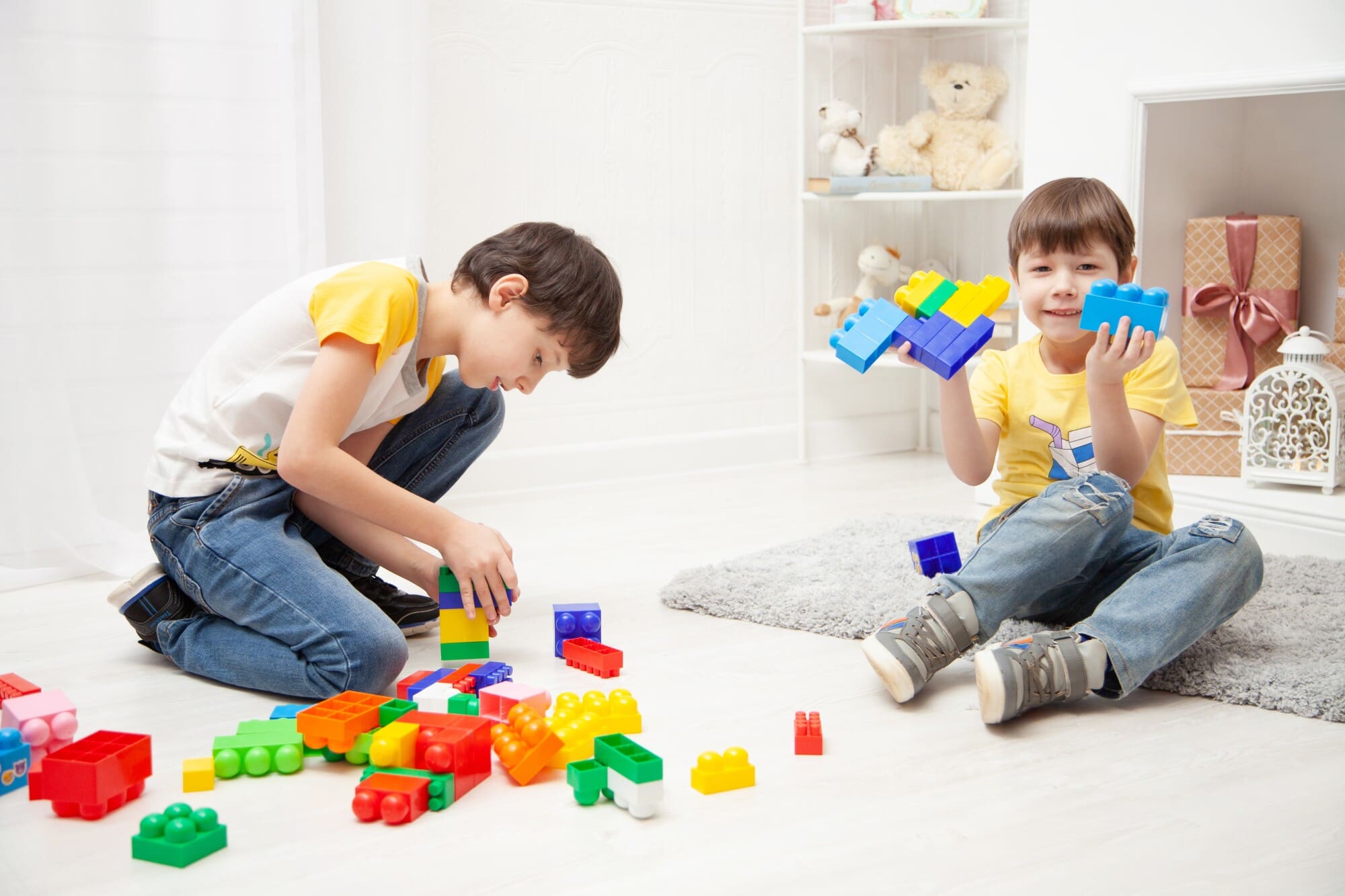
Have you ever watched a child build a tower of blocks and wondered why that simple game seems so important? Play is often seen as fun and light-hearted, but it holds deep value for young minds.
Through play, children explore their world, test ideas, and learn skills that help them all their lives. In fact, play fuels growth in many areas: creativity, thinking, social interaction, and more. In this article, we’ll look at how play drives childhood development and learning, and why giving children time and space to play is one of the best gifts we can give them.
Play Encourages Creativity
When children play, they often invent new stories, build make-believe worlds, or pretend to be someone else. These kinds of activities stretch their imagination and help them think of ideas that didn’t exist before. They may use everyday objects in new ways, turn a cardboard box into a spaceship, or create a whole game out of simple rules.
This creative play gives them confidence to try new things and see that there is more than one way to solve a problem. Over time, that imaginative spark becomes part of how they learn, experiment, and share ideas with others.
Play Builds Problem-Solving Skills
Play naturally presents small challenges. A child might try to balance blocks so the tower doesn’t fall, or figure out how to get a toy car through a maze of cushions. In doing so, they learn to observe, adjust, test, and try again. This builds a mindset: “If this doesn’t work, I can change it and try something else.”
These are basic problem-solving skills that they will use in school, at home, and later in work. The process of exploring, failing a little, and trying again through play sets a strong foundation for lifelong learning.
Play Fosters Social Skills
When children play with others, they learn to share, take turns, negotiate roles, and follow simple rules. They might decide who is “it,” who builds what, and who leads the game. These interactions teach empathy, cooperation, and respect for others’ ideas.
In group play, children learn to listen, to give and take, and to resolve small conflicts. These social abilities are just as important as reading and writing. They help a child make friends, work in teams, and feel secure in social settings, skills they will use throughout life.
Play Enhances Language and Communication
Through play, children talk, narrating what they are doing, arguing over the rules, and explaining their ideas. This dialogue supports language growth and helps them learn new vocabulary, sentence patterns, and expressive skills. When children play with dolls, action figures, or role-play, they practise storytelling and conversation in a relaxed space.
Some companies like Mattel recognise that toys and play environments can shape how children express themselves and connect with others. As children communicate through play, they refine their ideas and learn to share them clearly.
Play Supports Emotional Development
When children play, they practice feelings like joy, surprise, frustration, and satisfaction. They can safely face small challenges and learn how to manage emotions-“My tower fell, but I’ll rebuild,” or “We’ll change the game so it’s fair for everyone.” That safe space to feel and work through emotions builds resilience and self-confidence.
Kids also feel a sense of achievement when their play ends successfully, however small. These emotional skills help them handle bigger challenges later: adjusting to change, dealing with setbacks, and staying calm when things don’t go as planned.
Play Promotes Physical Skills and Coordination
While play often involves fun and pretend, it also involves movement: running, jumping, building, catching, stretching, and using fingers and hands. These physical activities help children develop coordination, strength, and control of their bodies.
Fine-motor tasks (like placing small blocks) and gross-motor tasks (like climbing, chasing) both offer important growth. This physical play supports health and fitness, but it also helps brain development, because physical activity is linked to stronger focus and better learning. So, giving children chances to move and play is not just good for the body, it’s good for thinking too.
Play Encourages Curiosity and Exploration
Kids are naturally curious: they ask “why,” they test things, they poke, and they prowl. Play gives them a safe environment to explore and discover. Whether digging in sand, pressing buttons on a toy, or pretending to cook something, children learn by doing.
This exploratory play leads to real questions and real learning: “What happens if I mix water and sand?” “How high can I stack these blocks?” These experiences set the stage for a lifetime of learning, because they learn that their actions lead to outcomes. Curiosity becomes a habit.
Play Shapes Lifelong Learning Attitudes
Importantly, play doesn’t just teach skills; it builds the attitude of being a learner. When children see that play is a time to try, fail, adjust, and succeed, they learn that learning is fun and meaningful. They carry that sense of enjoyment into school, into hobbies, and then into adult life.
They understand that learning isn’t just memorising, it’s experimenting, thinking, and creating. When we honour play and give children freedom to interact, change rules, test ideas, and work with others, we foster that lifelong love of learning. That kind of foundation truly shapes a child’s future.
Fuel Childhood Development and Learning with Play Today
Play is far more than just fun for children. It is a powerful way for children to grow in creativity, thinking skills, social ability, language, emotion, movement, curiosity, and to build the mindset of a lifelong learner. When children have space and time to play freely, they become confident, capable, imaginative, and ready for whatever life brings.
By valuing play and offering rich opportunities for it, parents, teachers, and caregivers help children develop the full spectrum of skills they will need tomorrow. So let’s give children the freedom to play, imagine, and learn.
If you enjoyed this article, feel free to explore our blog for more posts on more learning, helpful tips, and fun ways to help kids grow.