
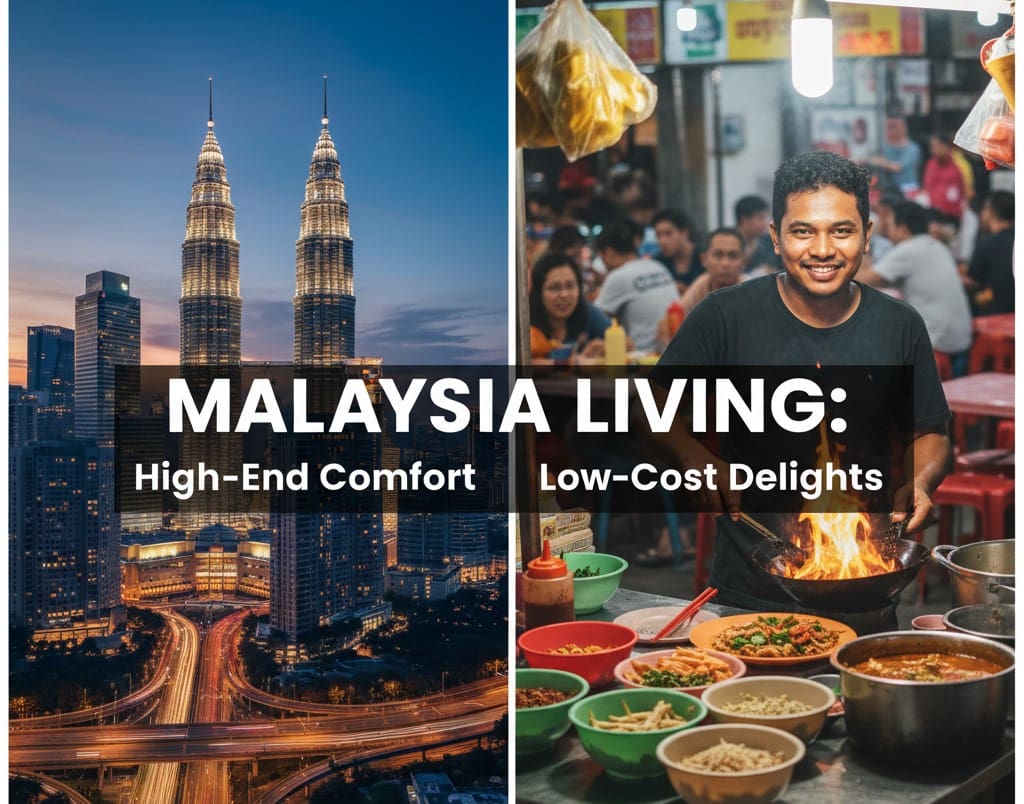
Malaysia has become one of Asia’s most desirable destinations for expats, students, digital nomads, and retirees. With its modern infrastructure, multicultural lifestyle, delicious food, efficient public transportation, and affordable living costs, the country offers a high quality of life at a fraction of what you’d spend in Western or neighboring Asian countries like Singapore and Hong Kong.
Whether you’re planning to move to Malaysia, study, retire, or just stay for a long-term visit, understanding the cost of living in Malaysia can help you budget more accurately and make informed decisions. And if you’re preparing your immigration documents or applying for a visa, platforms like https://applymalaysiavisa.com/ can make the process much smoother.
This guide breaks down housing, food, transportation, utilities, healthcare, lifestyle expenses, and city comparisons to give you a complete picture of what to expect in 2025.
Cost of Living in Malaysia: Quick Summary for 2025
Image Suggestion:
A simple graphic or table summarizing average monthly expenses for different types of residents.
| Type of Resident | Estimated Monthly Cost |
|---|---|
| Budget Traveler | RM 1,500–2,000 |
| Student | RM 2,000–3,000 |
| Single Professional | RM 3,000–5,000 |
| Expat | RM 4,000–7,000 |
| Family of Four | RM 6,000–10,000 |
Note: Costs vary depending on city and lifestyle.
Housing Costs in Malaysia
Image Suggestion:
A 3-city rental comparison graphic (Kuala Lumpur, Penang, Johor Bahru).
Accommodation is often the biggest expense for foreigners. Fortunately, Malaysia offers a wide range of housing options—from basic apartments to luxury condominiums with swimming pools, gyms, security, and rooftop lounges.
Rent Prices in Major Cities
Here’s what you can expect to pay monthly:
Kuala Lumpur (City Center)
- 1-bedroom condo: RM 1,800–2,500
- 3-bedroom condo: RM 3,000–5,000
Penang
- 1-bedroom condo: RM 1,200–1,800
- 3-bedroom condo: RM 2,000–3,500
Johor Bahru
- 1-bedroom apartment: RM 1,000–1,500
- 3-bedroom unit: RM 1,800–2,800
Condo vs. Apartment vs. Landed House
Condominiums are popular among foreigners because they offer:
- Swimming pool
- Gym
- Security
- Community amenities
Basic apartments and older buildings cost less but may lack facilities.
Graphic Idea:
Photo collage showcasing condo facilities (pool, gym, playground).
Food & Groceries Cost in Malaysia
Image Suggestion:
A 4-image grid: hawker food, cafés, grocery store shelves, and local markets.
Malaysia is a food paradise, and eating out is surprisingly affordable. Local hawker centers offer meals from RM 8–15, while mid-range restaurants cost RM 20–40 per dish.
Eating Out Costs
- Local meal: RM 8–15
- Nasi lemak or noodles: RM 5–10
- Mid-range restaurant: RM 25–40
- Western restaurants: RM 30–60
- Café brunch: RM 20–35
Grocery Costs
Monthly grocery cost ranges from RM 300–600 per person depending on preferences.
Common groceries:
- Chicken (1 kg): RM 10–13
- Rice (5 kg): RM 12–25
- Bread (loaf): RM 3–5
- Eggs (12): RM 6–8
- Vegetables (per kg): RM 3–8
Transportation Costs in Malaysia
Image Suggestion:
Transport icons (train, bus, Grab, petrol pump) with prices.
Malaysia’s transportation system is efficient and cost-friendly.
Public Transport
- MRT/LRT one-way: RM 1–4
- Monthly pass: RM 100–120
- RapidKL bus fare: RM 1–3
Grab (Ride-Hailing)
- Short rides: RM 5–12
- City rides: RM 15–25
Car Ownership
- Fuel (per liter): RM 2.05–2.50
- Parking: RM 3–5 per hour
- Monthly car expenses: RM 800–1,200 (fuel + insurance + service)
Utilities & Internet Costs
Image Suggestion:
Utility icons (electricity, water, WiFi) with estimated monthly charges.
Monthly utility expenses depend on lifestyle and condo facilities, but generally:
- Electricity: RM 80–200 (higher if AC runs all day)
- Water: RM 10–30
- Gas: RM 5–10
- Internet (home broadband): RM 99–150
- Mobile data plans: RM 30–60
Healthcare Costs in Malaysia
Image Suggestion:
A comparison chart of public vs. private healthcare fees.
Malaysia offers high-quality healthcare at affordable rates.
Public Healthcare
Very affordable but may involve waiting times.
- GP consultation: RM 1–5
- Specialist visit: RM 40–60
Private Healthcare
Still affordable compared to Western standards.
- GP consultation: RM 50–80
- Specialist visit: RM 150–300
- Medical insurance: RM 100–250 per month
Education Costs (For Families & Students)
Image Suggestion:
Graphic comparing public schools vs. international schools.
Public Schools
Public education is free or very low-cost for Malaysians, but not common for expat families.
International Schools
- Annual fees: RM 20,000–60,000
Universities
Malaysia is popular among international students.
- Public universities: RM 10,000–25,000 per year
- Private universities: RM 20,000–60,000 per year
Monthly student living expenses: RM 2,000–3,000
Lifestyle & Entertainment Expenses
Image Suggestion:
Collage of cinemas, cafés, gyms, and nightlife scenes.
- Gym membership: RM 120–250
- Cinema ticket: RM 12–20
- Night out (drinks): RM 50–150
- Weekend getaway: RM 200–500
Malaysia is perfect for those who enjoy both city life and nature, with beaches, rainforests, and islands just a few hours away.
Cost of Living in Malaysia for Expats
Image Suggestion:
Coworking spaces, condos, cafés in KL.
Foreigners love Malaysia because it offers:
- Affordable rent
- Excellent food
- Safe environment
- Modern infrastructure
- Fast internet
A typical expat budget:
- Rent: RM 2,000–3,500
- Food: RM 800–1,200
- Transport: RM 200–400
- Utilities: RM 150–200
- Entertainment: RM 300–800
Total: RM 4,000–6,000 per month
Cost of Living Comparison: Malaysia vs. Other Countries
Image Suggestion:
Side-by-side comparison graphic.
Malaysia vs. Singapore
- Malaysia is 50–70% cheaper.
- Rent alone is dramatically lower.
Malaysia vs. Thailand
- Similar food costs, but Malaysia has better public transport.
Malaysia vs. Indonesia
- Indonesia is cheaper for rent, but Malaysia wins in safety and infrastructure.
Cheapest Cities to Live in Malaysia
Image Suggestion:
Photo collage of Ipoh, Melaka, Kuching, and Kota Kinabalu.
Ipoh
Peaceful, affordable, great food.
Melaka
Historic, touristy, low accommodation costs.
Kuching (Sarawak)
Very affordable for long-term stays.
Kota Kinabalu (Sabah)
Nature lovers’ paradise with moderate living costs.
Is Malaysia Affordable in 2025? Final Verdict
Malaysia offers one of the best value-for-money living experiences in Asia—whether you’re a student, digital nomad, retiree, or expat. With its modern lifestyle, multicultural environment, diverse food options, and excellent connectivity, it’s easy to enjoy a comfortable life without breaking the bank.
And if you’re planning to apply for a visa, extend your stay, or manage travel documentation, platforms like https://applymalaysiavisa.com/ can help simplify the process.
Frequently Asked Questions (FAQ)
1. Is Malaysia expensive to live in for foreigners?
No. Malaysia is considered one of the most affordable Asian countries for foreigners due to its low rent, cheap food, and efficient public transport.
2. How much money do I need to live comfortably in Malaysia?
A single person can live comfortably on RM 3,000–4,500 per month, while families may need RM 6,000–10,000.
3. Which city in Malaysia is the most affordable?
Ipoh, Melaka, Kuching, and Johor Bahru are among the cheapest cities to live in due to lower rent and food costs.
4. Is Kuala Lumpur expensive?
Kuala Lumpur is the most expensive city in Malaysia, but it’s still far more affordable than Singapore or Hong Kong.
5. Are utilities and internet expensive in Malaysia?
Internet is affordable (RM 99–150/month), and utilities range from RM 80–200 depending on usage.
