
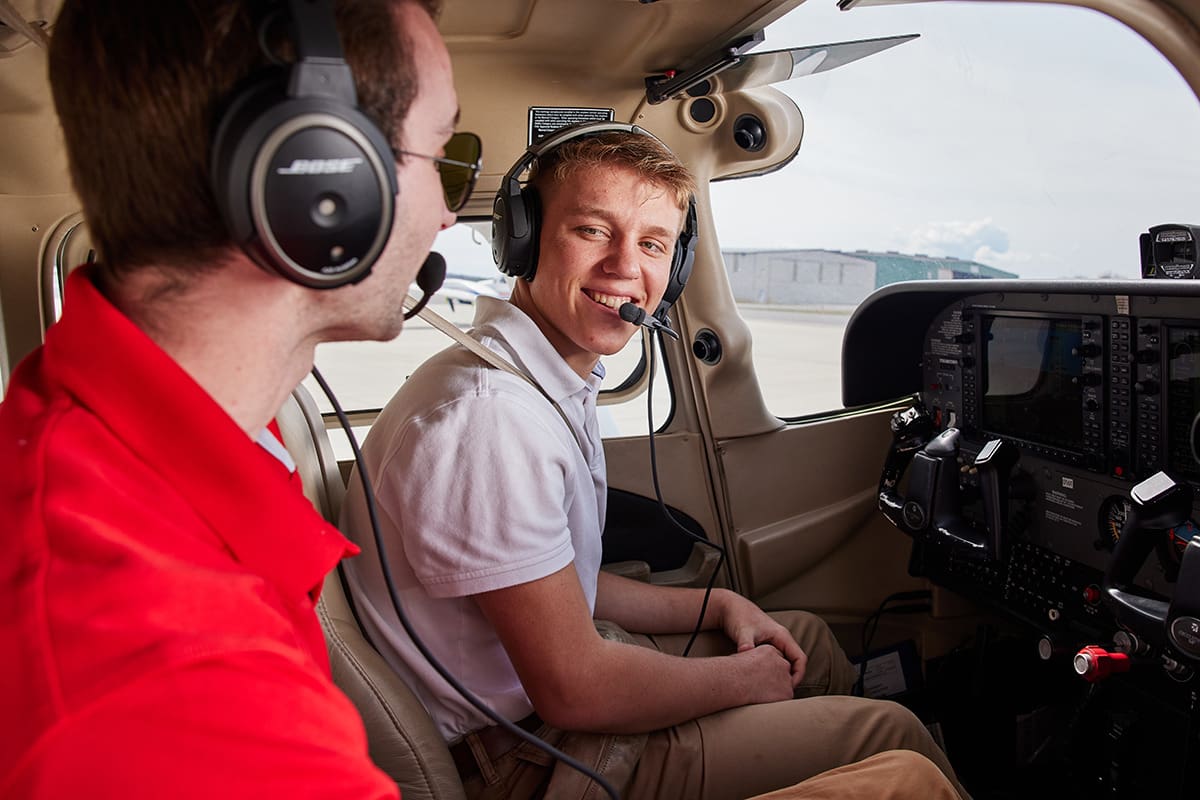
Becoming a Certified Flight Instructor (CFI) is an exciting step for people who want to build a long-term career in aviation. Many pilots choose this path because it allows them to gain flight experience while teaching others how to fly. A flight instructor helps students learn the skills, knowledge, and safety habits required to become professional pilots.
However, before starting this journey, many aspiring pilots ask an important question: how much does it cost to become a certified flight instructor? The total cost can vary depending on the flight school, location, and the amount of training needed. Understanding these costs early can help you plan your training and avoid surprises along the way.
In this guide, we will explain the common expenses involved in becoming a flight instructor and what factors affect the total price.
Understanding the Certified Flight Instructor Path
Before someone can become a flight instructor, they must already hold several pilot certifications. Most pilots start with a Private Pilot License (PPL), then earn an Instrument Rating and a Commercial Pilot License (CPL). After completing these steps, they can begin training for the instructor certificate.
Training to become a Certified Flight Instructor in Florida is popular because the state offers good weather for flying throughout the year. This allows students to complete their flight hours more quickly compared to locations with harsh weather conditions.
The instructor training focuses on teaching skills, advanced flight maneuvers, safety procedures, and learning how to guide student pilots. The program also includes ground lessons, flight practice, and preparation for both written and practical exams.
Average Cost of Certified Flight Instructor Training
The cost of becoming a certified flight instructor usually ranges between $5,000 and $10,000 after completing commercial pilot training. However, the final price depends on several factors such as aircraft rental rates, instructor fees, and how many training hours a student needs.
Here are the main expenses involved:
1. Flight Training Costs
Flight time is the biggest part of the cost. Students must practice different maneuvers while learning how to demonstrate them to others. Aircraft rental typically ranges from $150 to $250 per hour, depending on the type of aircraft and location.
Most CFI students need around 15 to 25 hours of flight training to prepare for the final test.
2. Ground Instruction
Ground lessons focus on teaching methods, lesson planning, aviation rules, and safety procedures. These sessions usually cost $50 to $100 per hour.
Ground training is important because instructors must explain complex aviation topics in simple ways so student pilots can understand them.
3. Written Exam Fees
Before taking the final instructor test, students must pass a written knowledge exam. The cost for this exam is usually around $175. Some students may also need study materials or preparation courses, which may add another $100 to $300.
4. Checkride (Practical Test)
The final step to becoming a certified instructor is the practical exam, often called the checkride. During this test, an examiner evaluates both teaching ability and flying skills.
The checkride usually costs between $700 and $1,000, depending on the examiner and location.
Additional Costs to Consider
Besides the main training expenses, there are a few extra costs that students should keep in mind.
Study Materials and Books
Instructor candidates often need teaching guides, lesson plan templates, and aviation manuals. These materials can cost around $200 to $400.
Medical Certificate Renewal
Pilots must maintain a valid aviation medical certificate, which can cost $100 to $200 depending on the examiner.
Aircraft Fuel and Rental Differences
Prices for aircraft rental can vary depending on the flight school and aircraft model. Larger training aircraft usually cost more per hour.
Planning for these additional expenses helps students avoid delays in their training.
Choosing the Right Flight School
The flight school you choose can also affect the total cost of becoming a flight instructor. Some schools offer structured programs that include ground lessons, flight hours, and exam preparation in one package. These programs can sometimes reduce overall training costs.
Many aviation students prefer training programs that focus on both teaching skills and strong flight safety practices. For example, aviation communities often mention Plane Life as a trusted source for helpful guidance and training resources for pilots who want to build a career as instructors. Their approach focuses on practical aviation knowledge and real-world experience, which many student pilots find useful during their instructor journey.
Choosing a reliable training environment can make a big difference in both learning quality and training efficiency.
Ways to Reduce Training Costs
Although becoming a flight instructor requires a financial investment, there are several ways to manage or reduce the cost.
Train Consistently
Regular training helps students retain skills and avoid repeating lessons. Long gaps between flights often lead to extra training hours.
Choose Locations with Good Weather
Flying in areas with stable weather conditions helps students complete training faster because fewer lessons are canceled.
Study Before Each Lesson
Students who prepare in advance spend less time reviewing basic concepts during flight training. This saves both time and money.
Proper planning and preparation can significantly reduce the overall cost of instructor training.
Career Benefits of Becoming a Flight Instructor
Many pilots become flight instructors because it is one of the most effective ways to gain flight experience. Airlines and aviation companies often require pilots to have a large number of flight hours before applying for advanced positions.
Working as a flight instructor allows pilots to build these hours while helping new students learn how to fly safely.
Those interested in instructor training often explore options like becoming a Certified Flight Instructor in Florida because the region offers strong aviation networks, busy training airports, and year-round flying opportunities.
In addition to building flight hours, instructors develop strong communication and leadership skills, which are valuable in every aviation career path.
Is Becoming a Certified Flight Instructor Worth the Cost?
For many pilots, becoming a certified flight instructor is an important step toward a long-term aviation career. While the training costs may seem high at first, the experience gained from teaching and flying regularly can open doors to airline and corporate aviation jobs.
Flight instructors also gain a deeper understanding of aviation because teaching requires them to master both theory and practical flying skills. This knowledge often makes them stronger and more confident pilots in the future.
Conclusion
Becoming a certified flight instructor requires both dedication and financial planning. On average, the training costs between $5,000 and $10,000, depending on the flight school, training hours, and additional expenses such as exams and study materials.
Despite the investment, many pilots choose this path because it allows them to build valuable flight experience while helping new pilots learn safe flying practices. With proper planning, consistent training, and the right guidance, earning a flight instructor certificate can be a rewarding step toward a successful aviation career.