
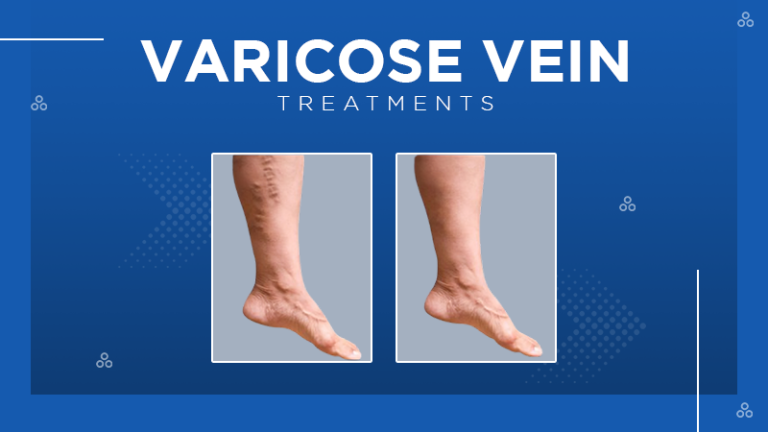
Vascular health plays a critical role in overall well-being. The network of veins and arteries in the body is responsible for transporting blood, oxygen, and nutrients to essential organs and tissues. When veins become damaged or weakened, circulation can be affected, leading to various conditions such as varicose veins, chronic venous insufficiency, or deep vein thrombosis (DVT). Fortunately, advancements in medical technology have transformed how vein-related conditions are diagnosed and treated. Modern vein treatments are now safer, more effective, and minimally invasive, helping patients restore vascular health and improve their quality of life.
Understanding Vein Health and Common Problems
Healthy veins contain small valves that help regulate blood flow and ensure it moves in the right direction—back toward the heart. When these valves become weak or damaged, blood may begin to pool in the veins, causing them to enlarge and twist. This condition often leads to visible varicose veins, swelling, aching, or heaviness in the legs.
Varicose veins are one of the most common vascular conditions, affecting millions of people worldwide. While they are sometimes viewed as a cosmetic concern, untreated varicose veins can lead to discomfort, skin changes, and more serious complications over time.
Another significant vascular condition is deep vein thrombosis (DVT), which occurs when a blood clot forms in a deep vein, usually in the legs. DVT can be dangerous if the clot travels to the lungs, causing a potentially life-threatening pulmonary embolism. Early diagnosis and treatment are therefore essential to prevent complications and maintain proper circulation.
The Evolution of Vein Treatments
In the past, treating vein disorders often required invasive surgical procedures that involved significant downtime and discomfort. Traditional vein stripping, for example, required large incisions and extended recovery periods.
Today, modern vascular treatments have evolved significantly. Medical specialists now use advanced imaging technologies and minimally invasive procedures to diagnose and treat vein conditions more accurately. These innovations allow patients to receive effective care with less pain, smaller incisions, and faster recovery times.
Modern vein care focuses not only on treating the visible symptoms but also on addressing the underlying circulatory issues that cause vein disorders. This comprehensive approach helps improve long-term vascular health and reduces the risk of recurrence.
Minimally Invasive Treatment Options
One of the most significant developments in vascular medicine is the introduction of minimally invasive procedures. These treatments are typically performed in outpatient settings and allow patients to return to normal activities much sooner than traditional surgery.
Common modern vein treatments include:
Endovenous Laser Therapy (EVLT)
This technique uses targeted laser energy to close off damaged veins. Once the problematic vein is sealed, blood naturally reroutes through healthier veins, improving circulation.
Radiofrequency Ablation (RFA)
RFA works similarly to laser therapy but uses radiofrequency energy to heat and close the affected vein. The procedure is precise, effective, and often completed in less than an hour.
Sclerotherapy
This treatment involves injecting a special solution into smaller veins, causing them to collapse and gradually fade from view. It is commonly used for both cosmetic and medical vein concerns.
These minimally invasive techniques have made vein treatment more accessible and comfortable for patients while delivering excellent clinical outcomes.
Improving Quality of Life Through Modern Care
Modern vein treatments do more than address the appearance of damaged veins. They significantly improve a patient’s overall quality of life by reducing pain, swelling, and fatigue in the legs. Many individuals who receive treatment report better mobility, improved confidence, and the ability to return to daily activities without discomfort.
For patients experiencing symptoms related to venous insufficiency, seeking professional care can make a meaningful difference. Specialized vascular centers offer personalized evaluations and treatment plans tailored to each patient’s condition and medical history.
For example, many patients seek Varicose Vein Treatment by PVC to address both the physical discomfort and visible symptoms associated with venous disease. With advanced diagnostic tools and minimally invasive procedures, specialized care providers can help patients restore proper circulation and achieve long-lasting results.
Early Detection and Preventive Care
Another important aspect of modern vascular care is early detection. Advances in diagnostic imaging, such as duplex ultrasound, allow specialists to evaluate blood flow in the veins and identify abnormalities before they become severe.
Early diagnosis enables physicians to recommend treatments or lifestyle changes that can slow the progression of vein disease. Preventive strategies may include regular physical activity, maintaining a healthy weight, wearing compression stockings, and avoiding long periods of standing or sitting.
By combining preventive care with modern treatment techniques, vascular specialists can significantly reduce the long-term impact of vein disorders.
Managing More Serious Vascular Conditions
While many vein conditions are manageable with minimally invasive treatments, some vascular issues require specialized medical attention. Deep vein thrombosis, for instance, must be treated promptly to prevent complications.
Treatment options may include medications to dissolve or prevent clots, compression therapy, or advanced interventional procedures when necessary. Specialized vascular centers are equipped to diagnose and treat these conditions quickly and effectively.
Patients experiencing symptoms such as persistent leg swelling, pain, warmth, or redness should seek medical evaluation as soon as possible. Timely care, including DVT Treatment by Prime Vascular Care, can help reduce risks and protect overall vascular health.
The Role of Experienced Vascular Specialists
Modern technology plays a crucial role in improving vein treatment outcomes, but the expertise of trained vascular specialists is equally important. Experienced physicians understand the complexities of vascular conditions and can recommend the most appropriate treatment based on each patient’s needs.
A comprehensive approach to vascular care often includes:
- Detailed diagnostic evaluation
- Personalized treatment planning
- Minimally invasive procedures
- Ongoing monitoring and follow-up care
This patient-centered model ensures that individuals receive the safest and most effective treatment while minimizing discomfort and recovery time.
Looking Ahead: The Future of Vein Care
The field of vascular medicine continues to evolve as new technologies and treatment techniques emerge. Researchers and clinicians are constantly working to improve diagnostic tools, refine minimally invasive procedures, and develop innovative therapies that enhance patient outcomes.
As awareness of vein health grows, more individuals are seeking early evaluation and treatment for vascular conditions. This proactive approach helps prevent complications and promotes better long-term circulation.
Modern vein treatments have already transformed the way vascular conditions are managed. By combining advanced medical technology, specialized expertise, and personalized care, these treatments are helping patients maintain healthier veins and a better quality of life.
Conclusion
Healthy veins are essential for proper circulation and overall well-being. Conditions such as varicose veins and deep vein thrombosis can affect both physical comfort and long-term health if left untreated. Fortunately, modern medical advancements have made vein treatment more effective, less invasive, and more accessible than ever before.
Through early diagnosis, innovative procedures, and expert care, modern vein treatments are significantly improving vascular health and helping patients return to active, comfortable lives. As technology continues to advance, the future of vascular care promises even greater improvements in the prevention, diagnosis, and treatment of vein-related conditions.