
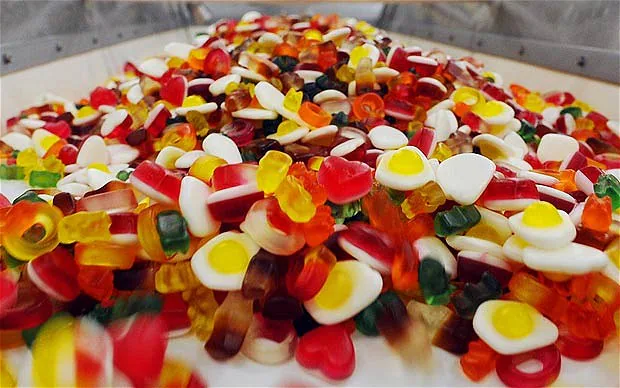
The confectionery industry is highly competitive, with manufacturers constantly seeking ways to enhance productivity, reduce waste, and maintain consistent product quality. Among the most important factors contributing to these goals is the use of specialized machinery designed for the production of gums and jellies. Efficient equipment not only accelerates production but also ensures uniformity, hygiene, and cost-effectiveness.
Gums and jellies manufacturing involves multiple steps, including mixing, cooking, molding, cooling, and packaging. Manual processes are often time-consuming, inconsistent, and prone to errors, which can lead to product defects and increased operational costs. By investing in modern Gums and Jellies Manufacturing Equipment, manufacturers can streamline these processes, allowing for higher output with reduced labor and energy consumption. These machines are designed for precision, speed, and reliability, making them a critical component for any confectionery production facility.
Streamlining the Production Process
One of the primary ways manufacturing equipment improves efficiency is by automating labor-intensive tasks. For example, mixing and cooking machines precisely blend ingredients and maintain consistent temperatures, eliminating the risk of uneven texture or crystallization. Automated depositing and molding systems allow for accurate portioning of candy masses into molds or trays, ensuring uniform size and shape while minimizing product loss.
Cooling tunnels and controlled setting equipment also play a significant role in maintaining production flow. Instead of waiting for products to set naturally, cooling tunnels use regulated airflow and temperature to rapidly solidify gums and jellies without compromising their texture or appearance. This continuous workflow reduces bottlenecks and accelerates overall production.
Enhancing Product Consistency and Quality
Quality control is critical in the confectionery industry. Inconsistent size, shape, or texture can impact consumer satisfaction and brand reputation. Modern gums and jellies manufacturing equipment includes advanced sensors and control systems that monitor cooking temperature, viscosity, and deposition rates in real-time. This ensures that each batch meets the desired specifications, reducing the likelihood of defects and the need for rework.
Additionally, coating machines and automated sugar application systems guarantee an even layer of sugar, chocolate, or flavor coatings on every piece. By standardizing these steps, manufacturers maintain consistent product quality while reducing manual labor, further improving efficiency.
Reducing Waste and Energy Consumption
Efficient equipment also contributes to sustainability and cost savings. Traditional production methods often result in high levels of waste due to spillage, uneven portions, or spoiled batches. Automated machines minimize these losses through precise control and careful handling of the candy mass.
Energy-efficient cooking, cooling, and heating systems reduce overall energy consumption while maintaining optimal product quality. Features such as vacuum cooking technology allow candies to cook at lower temperatures, preserving flavor and clarity while consuming less energy. Over time, these efficiencies translate into significant operational cost reductions.
Increasing Production Capacity
High-capacity gums and jellies manufacturing equipment enables manufacturers to scale production without compromising quality. Continuous production lines allow for nonstop operation, producing large volumes of candy with minimal downtime. By integrating multiple machines into a single, streamlined line, manufacturers can achieve faster turnaround times and meet growing market demands more effectively.
Modern equipment also allows for flexibility in production. Machines can handle multiple product types, shapes, flavors, and coatings without requiring extensive reconfiguration. This adaptability not only saves time but also enables manufacturers to respond quickly to changing consumer trends and seasonal demands.
Improving Safety and Hygiene
Automation in candy production improves workplace safety by reducing manual handling of hot or sticky materials. Machines built with food-grade materials, stainless steel surfaces, and enclosed cooking and molding systems reduce the risk of contamination. Easy-to-clean designs further ensure compliance with hygiene standards, which is critical in food manufacturing.
Conclusion
Investing in advanced Gums and Jellies Manufacturing Equipment significantly improves production efficiency by streamlining processes, enhancing consistency, reducing waste, and increasing output. From automated mixing and cooking to precise molding, cooling, and packaging, modern machinery ensures that every batch meets high-quality standards while minimizing labor and energy costs.
As the confectionery industry continues to evolve, manufacturers who adopt efficient and flexible equipment are better positioned to meet market demands, expand production capacity, and maintain a competitive edge. By integrating advanced technology into production lines, businesses can achieve consistent quality, faster turnaround, and greater profitability, making such investments indispensable for long-term success.