
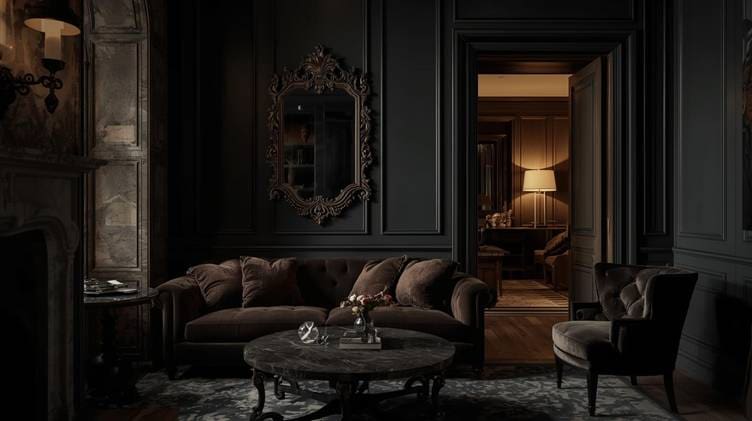
At first glance, gothic home decor looks like it belongs in a different world. Dark walls. Moody lighting. Heavy textures. But once you spend time in a gothic-inspired space, you realize something important.
It doesn’t try to impress you.
It tries to hold you.
That’s where gothic home decor quietly separates itself from most other interior styles. While many designs focus on appearance, gothic interiors focus on experience. How a room feels when you enter it. How it supports stillness, creativity, and emotional comfort.
Let’s look at what truly makes gothic home decor different — not just visually, but psychologically and practically.
It Prioritizes Mood Over Brightness
Most popular interior styles today are built around light.
Minimalist spaces aim for openness.
Scandinavian interiors chase brightness.
Modern decor focuses on clean, reflective surfaces.
Gothic home decor moves in the opposite direction.
Instead of flooding rooms with light, it controls it. Soft lamps. Warm glows. Shadows that feel intentional. This approach creates a calm, enclosed atmosphere that helps people slow down.
This isn’t accidental. Studies on lighting and color psychology show that darker, warmer environments can reduce overstimulation and help people feel grounded. That’s why gothic spaces often feel peaceful rather than heavy.
It Uses Darkness as a Design Tool, Not a Theme
Many styles treat dark colors as accents. Gothic decor treats them as structure.
Black, deep green, charcoal, burgundy — these shades aren’t used to shock. They’re used to create depth. Walls feel closer. Ceilings feel protective. Furniture feels anchored.
Unlike trends that chase contrast for attention, gothic decor uses darkness to shape emotion. It’s a subtle but powerful difference that becomes clear the longer you live in the space.
It Values Texture More Than Trends
Walk into a gothic-inspired room and you’ll notice something immediately.
It feels layered.
Velvet curtains. Matte walls. Aged wood. Metal accents. Nothing feels flat. This focus on texture is what separates gothic decor from sleek modern interiors or mass-produced styles.
While trend-based decor often changes every year, texture-based design ages slowly. That’s one reason gothic spaces don’t feel outdated easily. They evolve rather than expire.
If you explore broader interior inspiration across different styles, you’ll notice this texture-first philosophy stands apart from most mainstream approaches in curated design collections.
It Embraces Symbolism Instead of Neutrality
Many interior styles aim to stay neutral so they appeal to everyone.
Gothic home decor does the opposite.
It allows symbolism. History. Personal meaning.
Mirrors aren’t just reflective surfaces.
Art isn’t just decoration.
Objects often carry emotional or cultural weight.
This doesn’t mean filling a home with dramatic symbols. It means choosing pieces that say something. That emotional storytelling is what makes gothic interiors feel deeply personal rather than generic.
If you want a clearer understanding of how this emotional depth plays out in real homes, this detailed breakdown on why people connect with moody interiors explains it beautifully.
It’s Designed for Living, Not Just Looking
One of the biggest misconceptions is that gothic decor is impractical.
In reality, it’s one of the most livable styles when done right.
Low lighting reduces eye strain at night.
Soft fabrics improve comfort.
Dark colors hide wear and aging better than white surfaces.
Unlike showroom-style interiors that look perfect but feel cold, gothic spaces are designed to be used. Read in. Rest in. Think in.
That’s why many people slowly move toward this style without realizing it — one dark wall, one soft lamp, one textured curtain at a time.
It Encourages Emotional Safety
Here’s something rarely discussed.
Gothic home decor creates emotional boundaries.
The enclosed feeling of darker interiors can make people feel protected from the outside world. That’s especially appealing today, when homes double as workspaces, creative studios, and places of recovery.
Other styles focus on openness. Gothic decor focuses on containment. Neither is wrong — but they serve very different emotional needs.
It Doesn’t Follow Rules — It Follows Intuition
Most interior styles come with strict guidelines.
Minimalism says “less is more.”
Modern decor says “keep it clean.”
Luxury decor says “make it grand.”
Gothic home decor is quieter. More intuitive.
It allows you to mix eras. Blend old with new. Choose pieces because they feel right, not because they match a checklist. That freedom is part of its appeal — and why no two gothic homes ever look the same.
If you’re exploring how different design philosophies express individuality, the broader design perspectives shared on the main site offer useful context.
Final Reflection
Gothic home decor is different because it doesn’t chase approval.
It doesn’t try to look bigger, brighter, or newer.
It tries to feel right.
Where other styles prioritize visibility, gothic decor prioritizes presence. It invites people to slow down, sit longer, and feel more deeply connected to their space.
That difference isn’t just aesthetic.
It’s emotional.
And for many people today, that’s exactly what home is supposed to be.
