
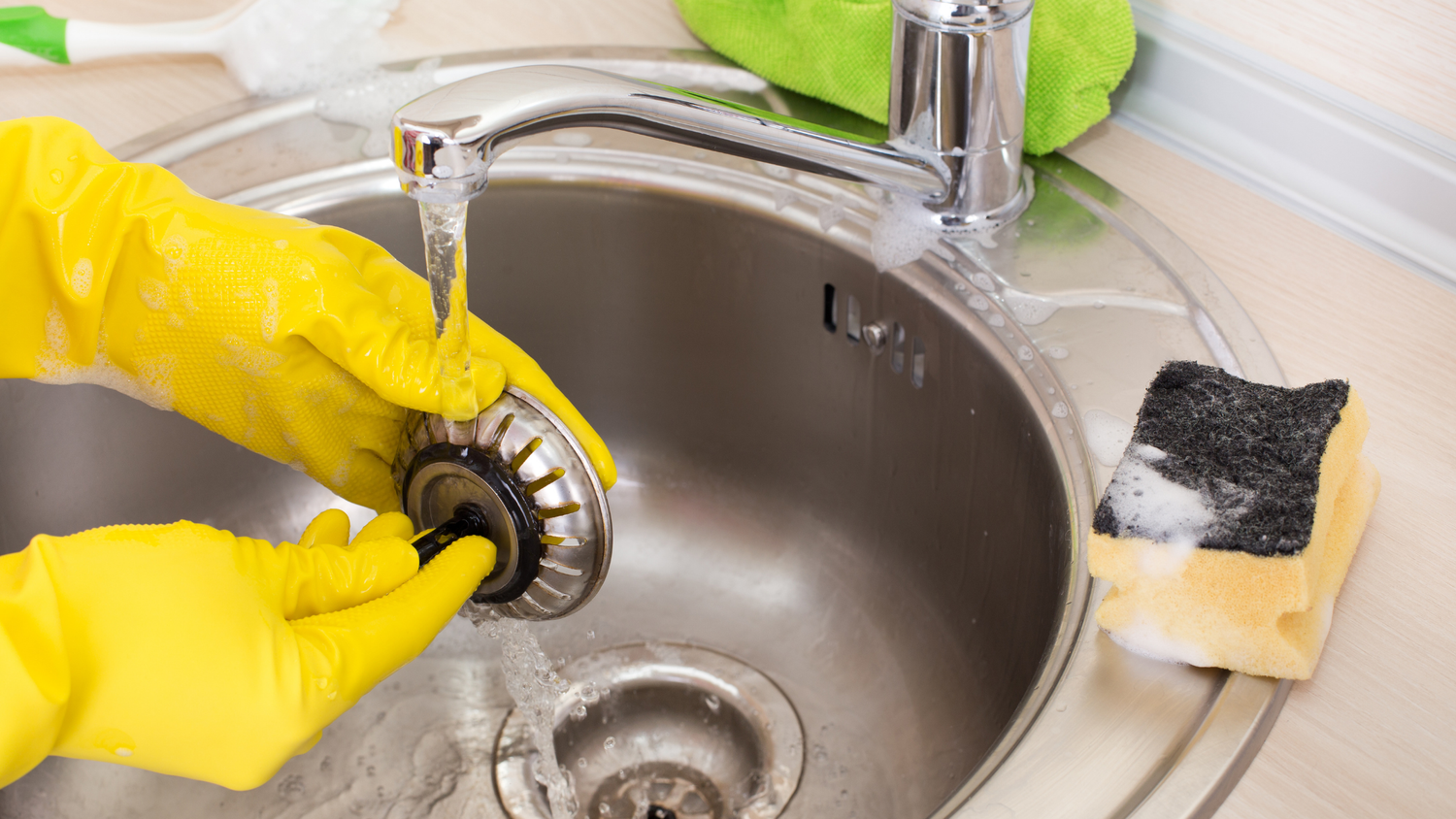
A slow or blocked sink is one of the most common plumbing problems in homes, yet many homeowners are ignorant of how often sink drains really need cleaning. Until water begins to back up, bad smells start to develop, or a complete blockage happens, drain maintenance is often neglected. Knowing the proper cleaning routine may lower the chance of unforeseen plumbing problems, save money, and avoid damage.
Why Clogged Sink Drains Occur Over Time
More than simply water is handled by every sink. Grease, cooking oils, food scraps, and soap residue all progressively adhere to pipe walls in kitchens. Hair, toothpaste, shaving cream, and soap scum gradually accumulate in bathrooms as a result of regular usage. Although these materials may not create issues right away, they eventually shrink the drain aperture and limit the flow of water.
Buildup may be developing under the surface of a sink even if it seems to be draining correctly. Even when there are no outward indications of problems, regular drain cleaning is crucial because of this underlying buildup.
What Is The Recommended Frequency Of Sink Drain Cleaning?
Light preventative cleaning should be performed every one to two weeks for the majority of households. This regular upkeep aids in removing residue before it solidifies or builds up into more significant obstructions. After extensive usage, particularly in the kitchen, a quick rinse with hot water may have a significant impact.
Once a month, a more thorough drain cleaning should be done. Regular rinsing cannot get rid of the accumulation that this deeper cleaning targets. For homes that cook a lot, have long hair, or use sinks often throughout the day, monthly maintenance is especially crucial.
Drains may need to be cleaned every two to three weeks in houses with outdated plumbing systems or ongoing drainage problems in order to remain clear. Recurring blockages are often an indication that there is a plumbing problem or that the cleaning plan needs to be modified.
Indications That Your Drain May Need To Be Cleaned More Frequently
Certain sinks need to be maintained more often than others. One of the first indicators that accumulation is developing is slow drainage. Unpleasant odors, gurgling sounds, or water collecting near the drain hole are more signs that cleaning is past due.
If blockages continue to occur in spite of routine maintenance, there may be a more serious issue with the plumbing system. In these situations, a professional examination can be required, particularly for homeowners who are coping with a clogged sink Houston residents sometimes see as a result of old pipes and excessive water use.
The Best Methods For Regular Drain Cleaning
One of the easiest and safest methods for sink drain maintenance is hot water flushing. Grease and soap residue may be dissolved before they solidify by pouring hot water down the drain once or twice a week. This technique works especially well for sinks in kitchens.
Another crucial practice is using a sink strainer. Food scraps, hair, and other material are kept out of the drain by strainers. Regularly emptying the strainer prolongs the intervals between cleanings and lessens accumulation.
When Expert Drain Cleaning Is Required
Professional drain cleaning should be done at least once every one to two years, even with regular maintenance. To remove buildup deep within the pipes that is inaccessible with home remedies, professionals use sophisticated equipment.
Professional servicing is particularly crucial if you have many sluggish drains, recurring blockages, or backups in separate sinks. These symptoms often indicate a more serious obstruction or pipe problem that needs professional care.
Long-Term Advantages Of Frequent Drain Cleaning
Sinks drain easily, and unexpected plumbing crises are less likely when a regular cleaning routine is followed. In addition to reducing pipe wear from obstruction pressure, clean drains also help avoid unpleasant smells.
Over time, regular drain maintenance may reduce repair costs and increase the lifespan of your plumbing system. Additionally, it gives comfort in knowing that routine sink usage won’t cause unforeseen interruptions.
Conclusion
One of the easiest methods to prevent blockages and safeguard your home’s plumbing is to clean your sink drains on a regular basis. For most houses, a thorough monthly cleaning coupled with light maintenance every one to two weeks is sufficient. Minor accumulation seldom becomes a serious issue if early warning signals are followed and expert cleanings are scheduled as necessary. Sink drains may stay clean, effective, and trouble-free for many years with regular maintenance.