

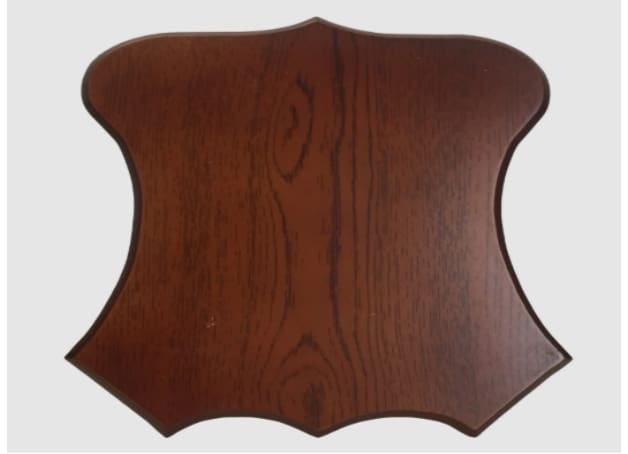
Most people walk past engraved plaques without giving them much thought. They’re just there, mounted on walls, sitting on desks, hanging in hallways. But there’s something worth noticing about these seemingly simple objects. The ones installed decades ago still look sharp and readable. Meanwhile, printed certificates from just a few years back have already started to fade and curl at the edges. That difference tells you everything about why certain organisations refuse to use anything else.
Timeless Elegance
When you engrave metal, you’re actually removing material rather than adding it. The words get carved into the surface. Rain can’t wash them away. Sunlight won’t bleach them out. Years of handling won’t rub them off. This isn’t some marketing claim. Walk through any old building and look at the plaques from earlier eras. The text remains crisp. The details stay intact. Some memorial plaques installed after the First World War are still perfectly legible today. That’s real durability, not the kind that comes with an expiration date.
Versatile Applications
Different spaces demand different solutions for recognition and commemoration. Law offices display founding partners’ names because it shows the firm has roots. Sports clubs need something that survives rough conditions and celebration spills. Gardens require markers that won’t rot or rust away in Australian weather. What’s interesting is how engraved plaques handle all these situations without compromise. They adapt to formal settings and casual ones. Indoor installations and outdoor exposures. Personal achievements and public memorials. The same basic concept works everywhere because the fundamentals are solid.
Professional Presentation
Pick up a lightweight certificate and you’ll probably fold it, roll it, stuff it somewhere. Hand someone a solid metal plaque and watch what happens instead. They hold it carefully. They examine the engraving. They immediately think about where to display it. Physical weight creates mental weight. The heft of quality materials sends a message before anyone reads a single word. It says this recognition matters. The effort went into choosing something permanent. Visitors to your office pick up on this too. Recognition displayed on walls becomes part of your organisation’s visible values. People notice when contributions get honoured with substance rather than paper.
Customisation Options
Engraving technology has evolved beyond simple text on flat rectangles. Craftspeople now combine traditional methods with modern precision. Photographs can be etched into metal surfaces with remarkable detail. Logos get reproduced with exact accuracy. Text can follow curves and complex shapes. Some techniques involve colour fills that actually bond with the metal substrate. These aren’t painted on like nail polish that chips off after a while. The colour becomes part of the material itself. Five years later, everything still looks fresh. Ten years later, still no deterioration. That’s the difference between surface application and integrated design.
Enduring Recognition
Something unexpected happens when engraved plaques go up in common areas. New team members spot them and ask questions. Who were these people? What did they accomplish? Why were they honoured? This kicks off conversations that keep history alive. Compare that to certificates filed in drawers or digital records buried in old folders. Nobody stumbles across those by accident. Physical recognition in visible spaces does something else too. It shows current team members that contributions get remembered. Not just acknowledged in the moment and forgotten. Actually remembered, in a form that lasts.
Enhanced Spaces
Blank walls in office buildings feel incomplete somehow. Add recognition plaques and the space gains character. Historic properties understand this instinctively. Every plaque turns a simple room into something with a story. You’re not just walking through old hallways anymore. You’re moving through layers of history and human achievement. Even modern buildings benefit from this effect. A lobby with mounted plaques feels established and credible. The same lobby without them feels generic and temporary. Architects use this principle deliberately when designing spaces meant to convey permanence and prestige.
Strengthening Connections
The presentation of a plaque creates moments that people want to photograph and share. Recipients post images because metal plaques look impressive in pictures. There’s visual weight to them. Certificates don’t generate the same response. The physical object also solves a problem that digital recognition can’t touch. When someone moves on from your organisation, they take the plaque along. It sits in their home office or living room. Guests ask about it. The story gets retold. That connection to your organisation continues long after the formal relationship ends. The value of this ongoing link is hard to measure but easy to see when you pay attention.
Conclusion
The real value of engraved plaques goes beyond what most people recognise at first glance. Permanence compounds over time. Each year a plaque remains mounted adds another layer to organisational memory. Each decade it stays readable proves the recognition was genuine and meaningful. Material durability creates social durability. In an era where everything seems temporary and disposable, there’s genuine power in recognition that can’t be deleted or lost to a system crash. Something your grandchildren might actually encounter and wonder about. That’s worth more than most organisations realise.