

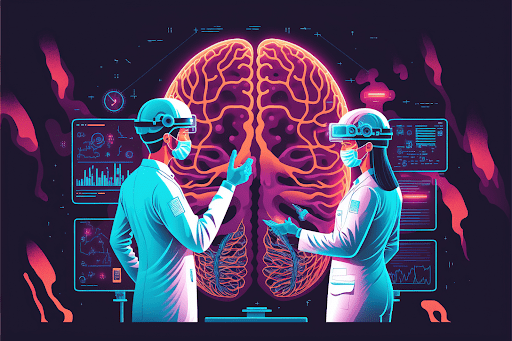
The healthcare industry is experiencing a profound transformation with the introduction of advanced technologies. Among these innovations, clinical decision support AI is emerging as a game-changer, reshaping how medical professionals approach diagnosis, treatment, and patient care. By combining the power of artificial intelligence with clinical expertise, healthcare providers can make faster, more accurate decisions, ultimately improving patient outcomes and operational efficiency.
Understanding Clinical Decision Support AI
Clinical decision support AI refers to systems designed to assist healthcare professionals in making informed medical decisions. These tools analyze vast amounts of patient data, medical literature, and historical records to provide actionable insights. Unlike traditional decision-making, which heavily relies on human experience and intuition, clinical decision support AI leverages computational power to identify patterns and suggest optimal interventions.
At its core, this technology serves as a bridge between data and actionable medical knowledge. It is not intended to replace physicians but to enhance their decision-making capacity. By offering evidence-based recommendations, clinical decision support AI reduces the likelihood of errors and ensures that healthcare delivery is more precise and consistent.
Key Benefits of Clinical Decision Support AI
The impact of clinical decision support AI on modern healthcare is significant, offering several notable benefits:
Improved Diagnostic Accuracy
One of the primary advantages of clinical decision support AI is its ability to enhance diagnostic precision. AI algorithms can analyze medical images, lab results, and patient histories at a speed and scale beyond human capability. This allows clinicians to detect conditions earlier and with greater accuracy. For example, AI-driven imaging tools can identify subtle patterns in X-rays or MRIs that might be overlooked by even the most experienced radiologists.
Personalized Treatment Recommendations
Healthcare is moving toward personalized medicine, and clinical decision support AI plays a vital role in this shift. By considering individual patient characteristics such as genetics, lifestyle, and medical history, these systems can suggest tailored treatment plans. This ensures that interventions are more effective and aligned with the unique needs of each patient.
Enhanced Workflow Efficiency
Clinical decision support AI also streamlines administrative and clinical workflows. By automating routine tasks such as data entry, lab result analysis, and medication checks, healthcare providers can focus more on patient care. This not only reduces burnout among medical staff but also accelerates the treatment process, benefiting both patients and healthcare organizations.
Reduction in Medical Errors
Medical errors are a significant concern in healthcare, often leading to adverse outcomes and increased costs. Clinical decision support AI minimizes these risks by providing real-time alerts and evidence-based suggestions. For instance, AI can flag potential drug interactions, highlight abnormal test results, and remind clinicians of necessary preventive measures. These safeguards help ensure patient safety and promote higher standards of care.
Applications of Clinical Decision Support AI in Healthcare
The versatility of clinical decision support AI allows it to be applied across various medical domains. Some of the most impactful applications include:
Diagnostic Imaging
AI-powered imaging tools analyze X-rays, CT scans, and MRIs with remarkable speed and accuracy. By detecting anomalies and highlighting areas of concern, clinical decision support AI assists radiologists in making timely and accurate diagnoses.
Chronic Disease Management
Managing chronic diseases such as diabetes, heart disease, and hypertension requires continuous monitoring and timely interventions. Clinical decision support AI can track patient data over time, identify trends, and recommend adjustments to treatment plans, helping patients maintain better control over their conditions.
Medication Management
Prescription errors are a common issue in healthcare. Clinical decision support AI can cross-check patient medications, dosages, and potential interactions, reducing the likelihood of adverse effects. This ensures that patients receive the most appropriate and safe treatments.
Emergency Care
In emergency settings, every second counts. Clinical decision support AI can rapidly analyze patient information, vital signs, and previous medical history to provide clinicians with actionable recommendations. This enables faster decision-making and can be crucial in life-threatening situations.
Challenges and Considerations
Despite its transformative potential, the adoption of clinical decision support AI comes with challenges. Data privacy and security are major concerns, as these systems rely on access to sensitive patient information. Healthcare organizations must implement strict protocols to protect data and comply with regulatory requirements.
Additionally, there is a learning curve for medical professionals. Integrating AI into daily practice requires training and adaptation. Clinicians must understand how to interpret AI-generated recommendations and balance them with their own expertise.
Another consideration is the quality of data. Clinical decision support AI systems are only as effective as the data they are trained on. Incomplete, biased, or outdated data can lead to inaccurate recommendations. Continuous monitoring and updating of AI algorithms are essential to maintain reliability and accuracy.
Future Trends in Clinical Decision Support AI
The future of clinical decision support AI looks promising, with ongoing advancements expected to further enhance healthcare delivery. Integration with wearable devices and remote monitoring systems will allow for continuous patient tracking, enabling proactive interventions.
Moreover, the combination of AI with other emerging technologies such as natural language processing and predictive analytics will expand the capabilities of clinical decision support AI. This will allow for even more personalized and precise medical recommendations, ultimately improving patient outcomes on a broader scale.
Collaboration between AI developers, healthcare providers, and policymakers will also play a critical role in shaping the future of this technology. Establishing ethical standards, regulatory frameworks, and best practices will ensure that clinical decision support AI is used responsibly and effectively.
Embracing the AI-Driven Healthcare Revolution
Healthcare is entering a new era where data-driven insights and AI-powered tools are becoming central to patient care. Clinical decision support AI is at the forefront of this revolution, offering unparalleled opportunities to enhance diagnostic accuracy, streamline workflows, and improve overall healthcare quality.
By adopting clinical decision support AI thoughtfully and strategically, healthcare providers can deliver safer, more personalized, and efficient care. As the technology continues to evolve, it will empower clinicians to make better decisions, reduce errors, and focus on what matters most—improving patient health and well-being.
The integration of AI into clinical practice is no longer a distant vision; it is a present-day reality. Embracing this change will ensure that modern healthcare not only meets the demands of today but also paves the way for a more innovative and effective future.