

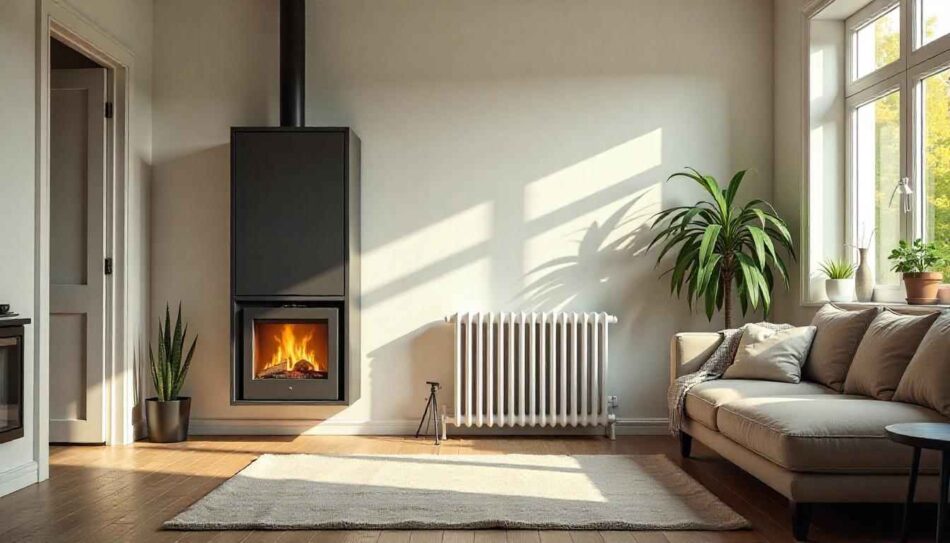
As we confront the challenges of climate change and soaring energy prices, homeowners are increasingly motivated to choose heating systems that reflect their values around sustainability. Heating your home accounts for a huge share of household energy use, which means every choice — from a gas furnace to a geothermal system — carries long-term consequences for the environment and your wallet. Exploring how modern systems can support a cleaner, more energy-efficient lifestyle helps you make smart, future-ready decisions. Let’s break down how heating methods influence sustainability, and what steps you can take to reduce your carbon footprint while maximizing comfort.
Traditional Systems and Their Environmental Impact
Traditional systems like gas furnaces and gas boilers continue to dominate the U.S. market. They offer reliable, powerful heat, but they also burn fossil fuels, releasing carbon dioxide and other pollutants. Even high-efficiency models with 90%+ AFUE ratings cannot eliminate the environmental cost of natural gas.
Wood stoves and pellet heaters, though potentially renewable if sourced responsibly, still produce particulates that can degrade local air quality. Many urban and suburban areas restrict wood-burning devices for precisely this reason.
That said, modern combustion-based systems are far more efficient than they were decades ago. Condensing boilers and modern gas furnaces dramatically cut waste, making them a better choice if you need fossil-fuel-based heat. But they will never be as sustainable as systems that use renewable energy sources or transfer existing heat.
Electric Resistance Heating: Cleaner or Not?
Electric furnaces and boilers convert 100% of their electricity to heat, but their sustainability depends on the power grid. If your local grid relies heavily on coal, your carbon footprint remains significant. That’s why electric resistance heating works best in regions where renewable electricity is plentiful, or when paired with a rooftop solar system.
These systems are easy to install and low-maintenance, making them appealing, but their operating costs are generally high. This combination makes them a less sustainable option unless paired with clean electricity. If you’d like to understand how the electric grid influences heating choices, you can read this article for a deeper dive.
Heat Pumps: The Path to Cleaner Comfort
Heat pumps — whether air-source, ductless mini-splits, or geothermal — stand out as the top choice for sustainability. Rather than burning fuel, heat pumps transfer heat, achieving a COP of 2 to 4 or more. This means they can deliver up to four times as much heating energy as they consume in electricity.
Geothermal heat pumps are especially impressive, tapping into stable underground temperatures to keep performance high even during harsh winters. Though they have a high upfront price, their durability, efficiency, and minimal maintenance make them a long-term, sustainable investment. If you want a deeper breakdown of their pros and cons, you can check it out for additional insight.
Radiant Floor Heating and Efficient Design
Radiant floor systems bring another dimension to sustainable comfort. Hydronic systems connected to high-efficiency boilers use lower water temperatures, which saves energy while delivering cozy, even warmth. Unlike forced-air systems, radiant heat minimizes dust and drafts, improving indoor air quality.
Electric radiant systems are an option too, though their sustainability depends, again, on your electricity source. Still, these systems work very efficiently because they focus warmth on people and objects, allowing lower thermostat settings while preserving comfort.
Building Envelope and Smart Controls
No matter what system you choose, its sustainability will always be tied to your home’s insulation and design. A well-insulated house with minimal air leaks needs less heat to stay warm, making any system more efficient. Combining these improvements with programmable or smart thermostats adds even more benefits, letting you fine-tune your heating schedule and reduce energy waste.
Government incentives and tax credits can help you invest in these upgrades, reducing your carbon impact without breaking your bank account. Local rebates, federal credits, and utility programs all encourage homeowners to build greener, more resilient homes for the future.
Conclusion
Heating systems are more than mechanical devices; they are a statement about how you want to live and what kind of world you want to leave for future generations. Moving toward sustainable, energy-efficient options like heat pumps, geothermal systems, or radiant floors can dramatically reduce your carbon footprint and lower long-term bills.
By pairing these systems with a tight, well-insulated building envelope and smart controls, you can build a home that is comfortable, affordable, and climate-resilient. The future is moving toward cleaner energy, and modern heating technology is ready to help you get there. If you want to explore all nine options and their environmental implications, you can read this article for more details and start planning a truly sustainable upgrade.
