

The property management industry is undergoing a profound transformation. For decades, landlords and property managers relied on manual inspections, reactive maintenance, and guesswork to keep their buildings running smoothly. Today, however, artificial intelligence and smart sensor technology are rewriting the rules. These advanced tools are enabling property managers to monitor their buildings in real time, anticipate problems before they escalate, and dramatically reduce operating costs. At the forefront of this revolution is Layla, an innovative platform that combines AI-driven analytics with smart sensor hardware to deliver a smarter, greener approach to property management.
If you are a property manager or landlord looking to future-proof your business, understanding how this technology works and why it matters has never been more important. Platforms like Layla are making it easier than ever to adopt these solutions and start seeing measurable results.
The Problem with Traditional Property Management
Traditional property management has always been a labor-intensive business. Managers juggle tenant complaints, schedule routine inspections, coordinate maintenance crews, and try to keep energy bills under control, often with outdated tools and incomplete information. The result is a reactive approach where problems are only addressed after they have already caused damage, inconvenience, or expense.
Consider a common scenario: a water leak develops in a wall cavity. Without sensors, the leak may go undetected for weeks or even months, leading to mold growth, structural damage, and costly repairs. By the time the issue is discovered, what could have been a simple fix has become a major renovation project. Similarly, heating and cooling systems often run inefficiently because there is no real-time data to optimize their performance, leading to inflated energy bills and unnecessary carbon emissions.
These inefficiencies are not just frustrating for property managers; they are expensive. Studies suggest that reactive maintenance can cost up to five times more than proactive, condition-based maintenance. For property portfolios of any size, those costs add up quickly.
What Are AI-Powered Smart Sensors?
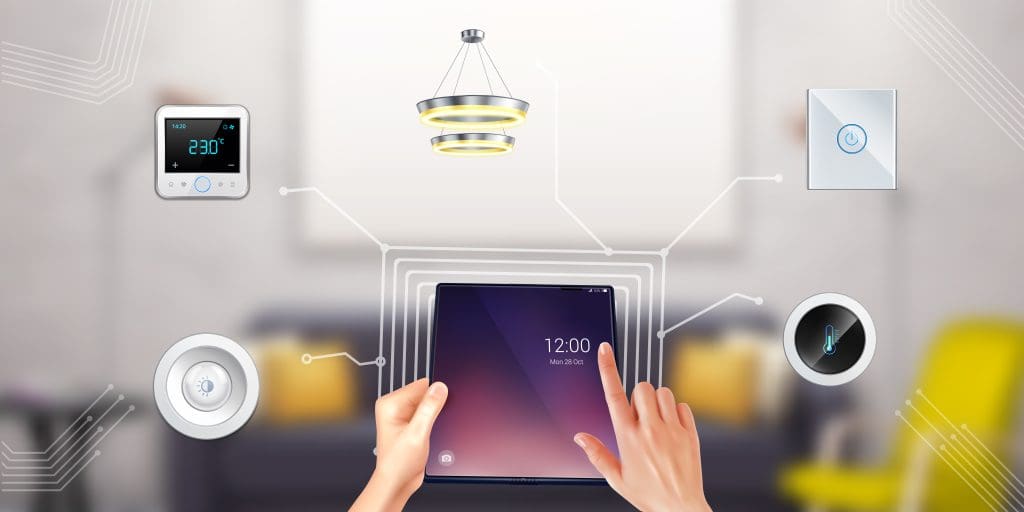
AI-powered smart sensors are small, connected devices that are installed throughout a property to continuously monitor environmental conditions. Depending on the type of sensor, they can track temperature, humidity, air quality, occupancy, water flow, energy consumption, and much more. The data collected by these sensors is transmitted in real time to a central platform where artificial intelligence algorithms analyze it, identify patterns, and generate actionable insights.
What makes platforms like Layla particularly powerful is the AI layer. Raw data from sensors is only useful if it can be interpreted correctly. Layla’s AI engine processes millions of data points to detect anomalies, predict potential failures, and recommend specific actions. For example, if humidity levels in a particular unit begin to rise above normal thresholds, the system can alert the property manager before mold has a chance to develop. If energy consumption patterns suggest that an HVAC unit is losing efficiency, the system can flag it for maintenance before it fails entirely.
Key Benefits for Property Managers
Predictive Maintenance and Cost Savings
One of the most significant advantages of AI-powered smart sensors is the ability to shift from reactive maintenance to predictive maintenance. Instead of waiting for something to break, property managers can address issues at the earliest possible stage. This approach reduces repair costs, minimizes tenant disruption, and extends the lifespan of building systems and equipment. By catching problems early, managers can schedule repairs during convenient times rather than dealing with emergencies that require costly after-hours service calls.
Energy Efficiency and Sustainability
Energy costs represent one of the largest operating expenses for any property. Smart sensors provide granular visibility into how energy is being used across a building, making it possible to identify waste and optimize consumption. Layla’s platform, for instance, can analyze heating and cooling patterns to recommend adjustments that reduce energy usage without sacrificing tenant comfort. Over time, these optimizations can lead to substantial savings on utility bills and a meaningful reduction in the property’s carbon footprint. For managers committed to building a greener business, Layla provides the data and tools needed to make sustainability a reality rather than just an aspiration.
Enhanced Tenant Experience
Tenants today expect more from their living and working environments. They want comfortable temperatures, good air quality, and responsive management. Smart sensors help property managers deliver on these expectations by enabling faster issue resolution and more proactive communication. When a problem is detected and resolved before a tenant even notices it, satisfaction and retention rates naturally improve. Happy tenants are more likely to renew their leases, reducing vacancy rates and the costs associated with tenant turnover.
Data-Driven Decision Making
Property management has traditionally been driven by experience and intuition. While those qualities remain valuable, they are now supplemented by hard data. AI-powered platforms aggregate information from across an entire portfolio, giving managers a comprehensive view of building performance. This data can inform everything from capital expenditure planning to renovation priorities to lease negotiations. Having objective, real-time data at your fingertips transforms decision-making from a guessing game into a strategic process.
Real-World Impact: Building a Leaner, Greener Business
The practical impact of adopting AI-powered smart sensors is already being felt across the property management industry. Early adopters report significant reductions in maintenance costs, energy consumption, and emergency callouts. Properties equipped with smart sensor systems consistently achieve higher tenant satisfaction scores and lower vacancy rates.
The environmental benefits are equally compelling. By optimizing energy usage and reducing waste, smart sensor technology helps properties meet increasingly stringent environmental regulations and sustainability targets. For property managers who want to differentiate their offerings in a competitive market, investing in technology like Layla is not just a smart business decision; it is an essential one.
Getting Started with Smart Sensor Technology
Adopting AI-powered smart sensors does not require a complete overhaul of existing systems. Modern platforms are designed to integrate seamlessly with a variety of building types and management workflows. The process typically begins with an assessment of the property’s specific needs, followed by the strategic placement of sensors in key areas. From there, the platform begins collecting data and generating insights almost immediately. To explore how this technology can benefit your property portfolio, visit layla.eco and book a demo to see the platform in action.
Conclusion
The future of property management is intelligent, connected, and data-driven. AI-powered smart sensors are no longer a luxury reserved for high-end commercial buildings; they are a practical, accessible tool for property managers of all sizes. By embracing this technology, managers can reduce costs, improve tenant satisfaction, and build a more sustainable business. Platforms like Layla are leading the charge, providing the tools and insights needed to thrive in an increasingly competitive and environmentally conscious market. The question is no longer whether to adopt smart sensor technology, but how soon you can start.