
Introduction
In the high-stakes world of digital media, the gap between visual storytelling and immersive audio has always been a significant bottleneck. For decades, video editors have struggled with the painstaking process of manually aligning sound effects, foley, and musical beats to on-screen actions. This “creative friction” often leads to hours of tedious work for mere seconds of footage.
However, the landscape of post-production automation is shifting rapidly. We are entering a new era where Artificial Intelligence doesn’t just assist in editing; it understands the context of the video. Leading this charge are innovative AI platforms that are fundamentally changing how we approach sound design.
The real game-changer in this revolution is AI audio synchronization. This technology allows creators to bypass the manual grid, ensuring that every visual cue is matched with a corresponding audio reaction instantly.
The Evolution of Sound: From Manual Drag-and-Drop to AI Intelligence
To understand the magnitude of this shift, we must look at the traditional video editing workflow. Historically, adding a simple sound effect—like a door slamming or footsteps approaching—required searching through massive libraries, downloading the file, dragging it into the timeline, and nudging it frame-by-frame to match the video.
Today, AI algorithms are capable of “watching” the video. By analyzing visual data such as movement, scene changes, and object recognition, tools can automatically generate and place the correct audio assets. This isn’t just about speed; it’s about establishing a new standard for cinematic audio experiences accessible to everyone, from Hollywood studios to independent YouTubers.
Key Technologies Driving the Change
The modern AI audio suite comprises several powerful features that work in harmony. It is no longer enough to simply generate a track; the audio must be malleable and intelligent.

1. Precision with AI Audio Synchronization
At the core is synchronization. Whether it is a rhythmic montage or a narrative scene, the AI detects the “pulse” of the video. It aligns musical beats and sound effects (SFX) with cuts and action points. This creates a cohesive audio-visual alignment that keeps viewers engaged.
2. Scaling Content with AI Audio Extender
One of the most common frustrations in editing is finding the perfect music track, only to realize it is 30 seconds shorter than the video. Traditionally, editors had to perform awkward “looping” or “cutting” that often sounded unnatural. Now, with AI audio extender technology, the software can analyze the structure of the music—its tempo, key, and instrumentation—and infinitely extend the track. This ensures that the background score flows seamlessly from start to finish, regardless of the video’s length.
3. Studio-Grade Clarity with AI Audio Quality Enhancer
Speed means nothing without quality. AI-generated sounds were once criticized for sounding robotic or “hollow”. That is no longer the case. Advanced AI audio quality enhancer tools now process generated audio to ensure it meets professional broadcasting standards. These enhancers balance frequencies, remove digital artefacts, and add depth, making the audio indistinguishable from tracks recorded in high-end studios.
Why Mirelo.ai is a Game Changer for Creators
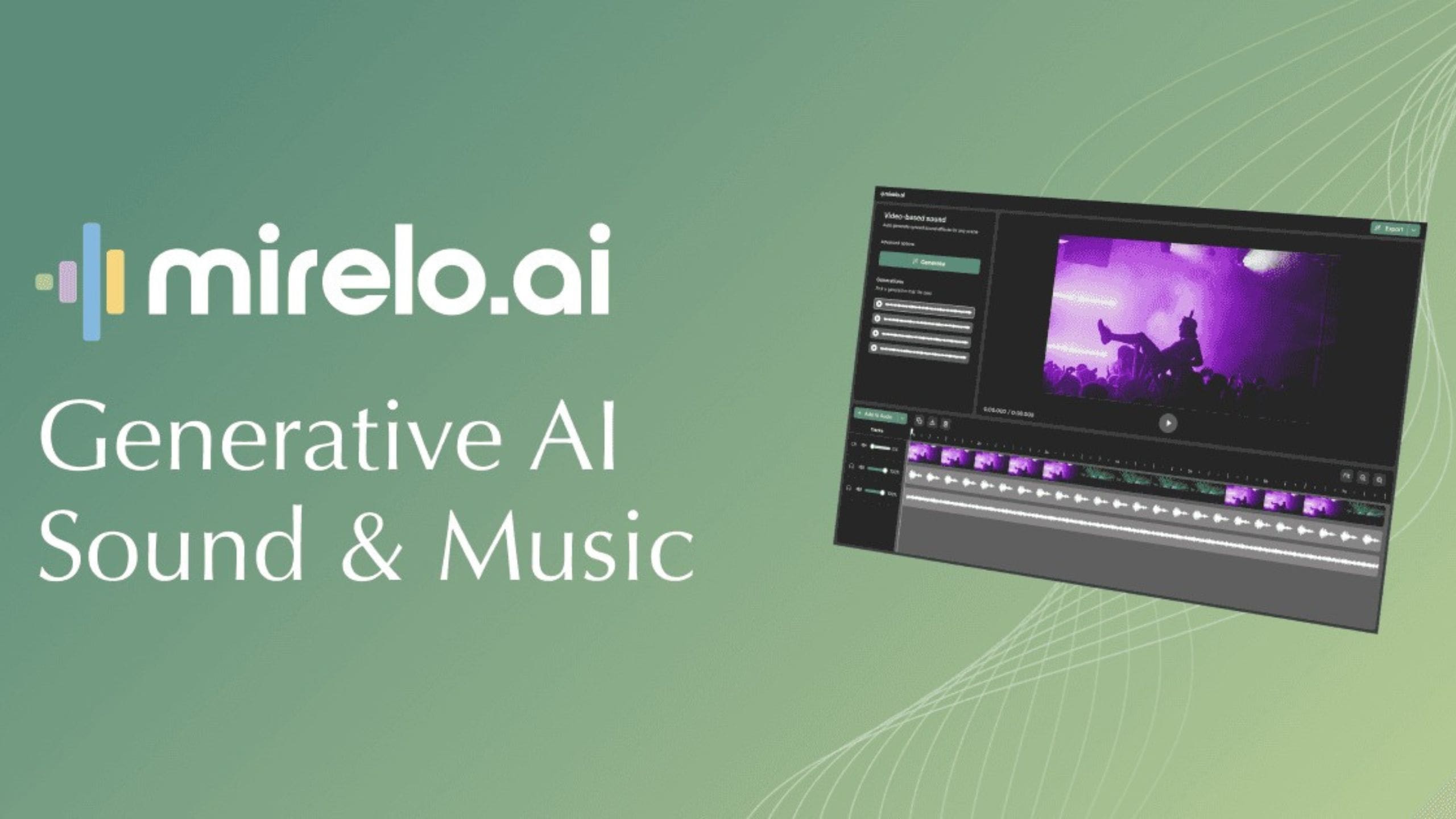
While many tools offer bits and pieces of AI audio, Mirelo.ai stands out by offering a holistic solution. Their unique value proposition lies in the deep integration of automated sound effects and music generation.

Stefan, a representative from the industry, highlights that the focus is not just on “background noise” but on creating a dynamic soundscape that reacts to the video. This is crucial for:
- Marketing Agencies: Who need to produce high-volume, high-quality video ads quickly.
- Content Creators: Who need royalty-free, unique music that doesn’t trigger copyright strikes.
- Filmmakers: Who need to speed up the Foley process without hiring a full sound team.
By utilising Mirelo, creators are reporting a drastic reduction in video production costs and turnaround times, allowing them to focus more on storytelling and less on technical adjustments.
The Future of Post-Production (2025 and Beyond)
As we look toward 2026, the integration of Generative AI in creative suites will become the industry standard. We are moving away from “stock libraries”—where you buy what is available—to “generative libraries”, where you create exactly what you need.
The ability to type a prompt or upload a video and receive a fully synchronized audio track is not just a convenience; it is a necessity for staying competitive in the content economy.
Frequently Asked Questions (FAQ)
Q1: What is AI audio synchronization in video editing?
AI audio synchronization uses artificial intelligence to analyse visual motion, scene cuts, and timing in a video, then automatically aligns sound effects and music without manual editing.
Q2: Can I use AI audio extenders for commercial projects?
Yes, most advanced AI tools allow you to seamlessly extend music tracks to fit any video length for commercial use, ensuring your background score fits perfectly in ads or documentaries.
Q3: Does the AI audio quality enhancer work on old recordings?
Absolutely. These tools utilize machine learning to remove background noise, improve vocal clarity, and upscale low-quality audio files to professional broadcasting standards.
Q4: Do AI platforms like Mirelo generate copyright-free music?
Yes, a major advantage of using generative AI is the creation of unique, license-free music. This keeps your content safe from copyright strikes on platforms like YouTube and Instagram.
Conclusion
The era of manual audio syncing is slowly fading. With the rise of AI audio synchronization, extenders, and quality enhancers, the barrier to entry for professional sound design has never been lower. This technology is making post-production faster, cheaper, and significantly more creative. As we approach 2025, creators who adopt these AI-driven workflows will define the new standard of storytelling, leaving the tedious manual grid behind for good. For video professionals, the message is clear: embrace these tools today to stay ahead in the media of tomorrow.