
The global logistics map is quietly being redrawn. For decades, trade routes and distribution networks were dominated by established hubs in Europe, North America, and parts of East Asia. But in 2026, a powerful shift is underway. Africa and the Middle East are emerging as critical logistics powerhouses, reshaping how goods move across continents.
Driven by infrastructure investments, strategic geography, and growing industrial demand, these regions are no longer just transit points—they are becoming central engines of global trade and supply chain efficiency.
Strategic Geography: The Advantage That Changed Everything
One of the biggest advantages that Africa and the Middle East share is location. Sitting between Asia, Europe, and emerging markets, these regions naturally position themselves as global connectors.
The Middle East, particularly countries like Saudi Arabia and Oman, acts as a bridge between East and West. Meanwhile, East Africa provides access to landlocked countries that depend heavily on ports such as Dar es Salaam and Mombasa for imports and exports.
This geographic advantage is now being fully leveraged through investments in:
- deep-sea ports
- logistics corridors
- free trade zones
- industrial hubs
As a result, global companies are increasingly routing their supply chains through these regions to reduce transit times and improve efficiency.
Massive Infrastructure Investments Driving Growth
The transformation of Africa and the Middle East into logistics hubs is not accidental—it is driven by large-scale infrastructure development.
In the Middle East, mega-projects are redefining industrial capacity. Saudi Arabia’s economic diversification strategy has led to the development of large industrial cities, logistics zones, and transport networks designed to support future trade.
Oman is strengthening its logistics ecosystem through port expansions and freezone development, positioning itself as a key gateway between Asia and Africa.
In Africa, countries such as Tanzania and Kenya are investing heavily in port modernization, rail networks, and inland logistics infrastructure. These improvements are enabling faster cargo movement and supporting regional trade integration.
As infrastructure expands, the demand for efficient cargo handling systems grows alongside it—especially in ports, warehouses, and industrial zones where operational speed is critical.
The Rise of Industrial and Warehouse Ecosystems
Beyond ports and shipping, another major shift is happening on land. Warehousing and industrial ecosystems are rapidly expanding across both regions.
The growth of e-commerce, manufacturing, and import-export businesses has led to an increase in:
- distribution centers
- storage facilities
- industrial processing units
These facilities require efficient systems for moving goods quickly and safely. This is where reliable material handling equipment becomes essential.
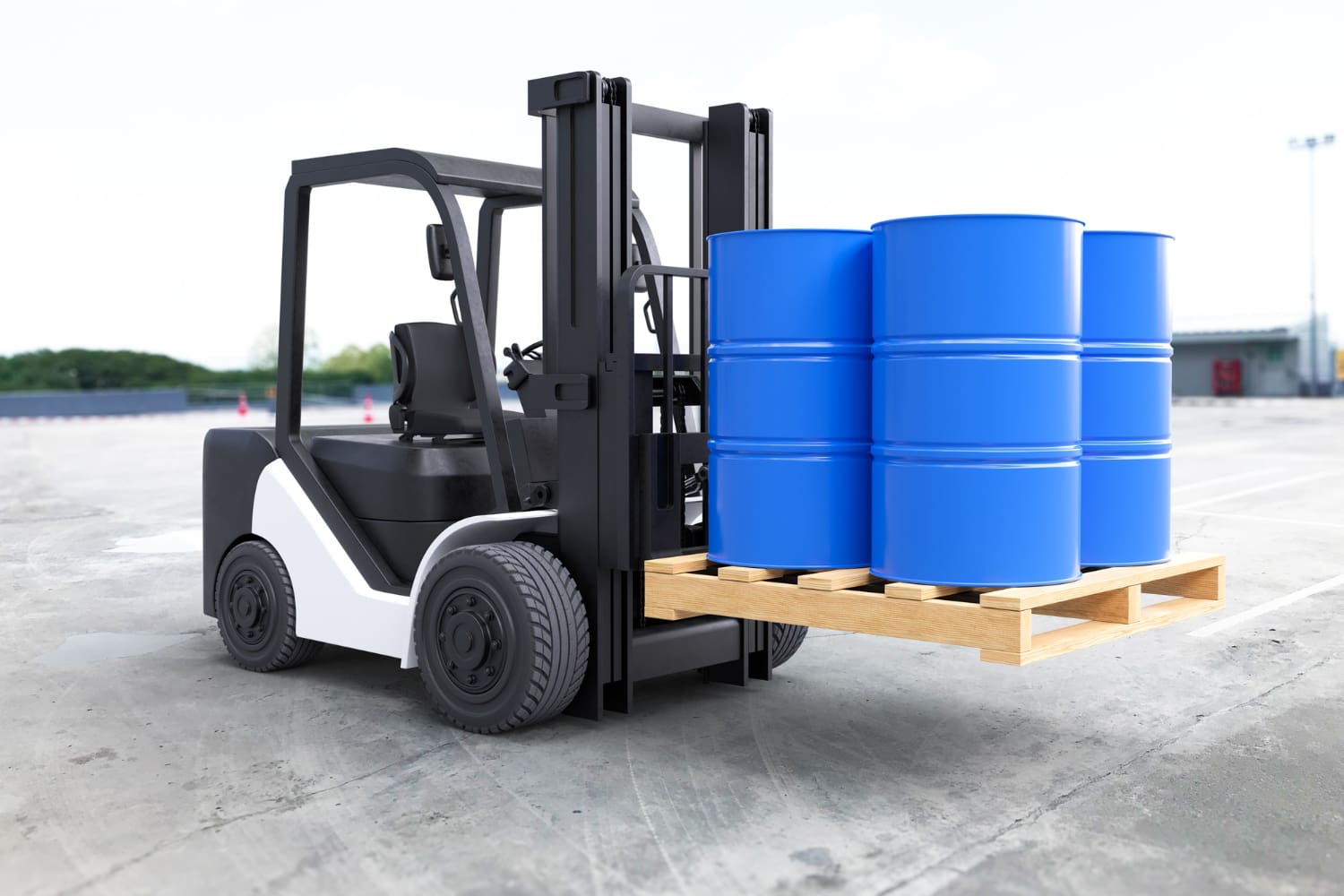
From unloading cargo at ports to organizing inventory in warehouses, operations depend on equipment that can handle heavy loads and maintain consistent performance. Businesses across these regions are increasingly investing in diesel forklift solutions for logistics operations to support high-volume cargo handling and improve efficiency.
Africa’s Logistics Expansion: A High-Growth Opportunity
Africa represents one of the most promising logistics growth markets in the world. With a rapidly growing population and increasing trade activity, demand for efficient supply chains is rising sharply.
Ports like Dar es Salaam are expanding their capacity to handle increasing cargo volumes, while inland logistics hubs are developing to support regional distribution.
At the same time, industries such as agriculture, mining, and construction are creating additional demand for logistics infrastructure. These sectors require reliable systems to move raw materials, finished goods, and equipment across vast distances.
As a result, businesses are prioritizing investments in logistics efficiency—especially in equipment and systems that reduce manual handling and increase operational speed.
The Middle East: From Oil Economy to Logistics Leader
The Middle East is undergoing a significant transformation. Traditionally known for oil-based economies, countries in the region are now focusing on diversification through logistics, manufacturing, and trade.
Saudi Arabia, for example, is investing heavily in infrastructure projects that aim to position the country as a global logistics hub. These developments are supported by advanced transportation networks, industrial zones, and digital supply chain systems.
Oman is also playing a strategic role, using its geographic location to facilitate trade between continents. Its ports and freezones are attracting international businesses looking for efficient access to global markets.
This shift is creating strong demand for operational efficiency across industries, particularly in logistics and construction environments where heavy material movement is a daily requirement.
Technology and Efficiency: The New Competitive Edge
As competition increases, businesses in Africa and the Middle East are focusing on improving efficiency through technology and smarter operations.
Modern logistics facilities are adopting:
- automation systems
- real-time tracking
- optimized warehouse layouts
- advanced material handling equipment
The goal is simple: move goods faster, reduce costs, and improve reliability.
In this context, the role of equipment becomes even more important. Companies are not just looking for machines—they are looking for reliable, cost-effective solutions that can support long-term operations without excessive maintenance or downtime.
This shift is also influencing purchasing decisions, with many businesses exploring alternatives that offer strong performance without the high costs traditionally associated with premium brands.
What This Means for Global Trade
The rise of Africa and the Middle East as logistics powerhouses is not just a regional story—it has global implications.
As these regions strengthen their infrastructure and operational capabilities:
- global supply chains become more diversified
- trade routes become more efficient
- emerging markets gain stronger access to international trade
For businesses, this creates new opportunities to expand operations, reduce logistics costs, and tap into high-growth markets.
Conclusion
In 2026, Africa and the Middle East are no longer emerging logistics regions—they are becoming central pillars of global trade. Strategic investments, geographic advantages, and industrial growth are transforming these regions into highly efficient logistics ecosystems.
From expanding ports in East Africa to mega infrastructure projects in the Middle East, the demand for efficient cargo movement continues to rise. Businesses operating in these environments must adapt by investing in systems and solutions that support speed, reliability, and scalability.
As global trade continues to evolve, one thing is clear: the future of logistics will be shaped not just by traditional hubs, but by the rapidly growing networks of Africa and the Middle East.