
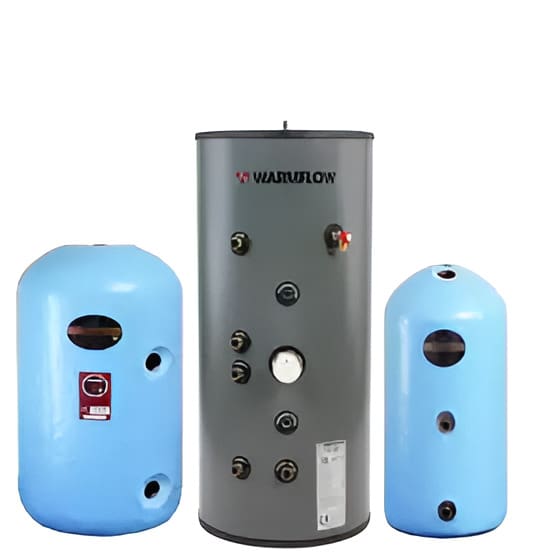
A reliable and efficient hot water system is essential for every modern household. Whether you enjoy a powerful shower in the morning or need hot water for washing, cooking, and heating, choosing the right system makes all the difference. One of the most effective ways to ensure consistent hot water is by installing a hot water cylinder. These cylinders come in two main types: vented hot water cylinders and unvented cylinders, each offering unique benefits depending on your home’s needs.
This guest post breaks down everything you need to know about hot water cylinders, how they work, their benefits, and how to choose the best one for your property.
What Is a Hot Water Cylinder?
A hot water cylinder is a storage tank designed to hold and heat water for household use. Unlike instant water heaters, which heat water as it flows, cylinders store a larger volume of preheated water, ensuring it is always ready when needed. These systems are perfect for homes with multiple bathrooms or high hot-water demand.
Modern cylinders are constructed with superior insulation, high-efficiency heating elements, and durable materials that provide excellent heat retention and long-lasting performance.
Types of Hot Water Cylinders
Vented Hot Water Cylinder
A vented hot water cylinder is the traditional heating system found in many homes. It uses a cold-water storage tank in the loft that feeds water into the cylinder via gravity.
Benefits of a Vented Hot Water Cylinder
- More affordable and easier to install
- Low maintenance requirements
- Works well in areas with low water pressure
- Ideal for older properties with existing tank systems
Vented cylinders remain popular because they provide reliable performance at a budget-friendly cost.
Unvented Hot Water Cylinder
Unvented hot water cylinders connect directly to the mains water supply. Unlike vented systems, they do not require a loft tank, making them a space-saving option.
Benefits of an Unvented Cylinder
- High water pressure, perfect for powerful showers
- Clean mains water supply
- Saves loft space
- Reduces risk of contamination
- Suitable for modern homes and renovations
Homeowners who prefer modern, high-pressure systems often choose unvented cylinders for their superior performance.
How to Choose the Right Hot Water Cylinder
Selecting the right cylinder involves understanding your home’s layout, water usage, and pressure levels. Here are some factors to consider:
Household Size
Larger families or homes with multiple bathrooms benefit from bigger cylinders. Smaller households may need only 90–150 litres, while larger households may require 250 litres or more.
Water Pressure
Homes with intense mains pressure typically choose unvented cylinders. Vented systems work better in properties with low-pressure supply.
Property Type
Older homes with attic tanks typically use vented cylinders, while modern homes often upgrade to unvented cylinders for better performance.
Energy Efficiency
Well-insulated cylinders reduce heat loss and help save on energy bills. Modern systems are designed to retain heat for more extended periods.
Advantages of Installing a Hot Water Cylinder
Upgrading to a modern cylinder comes with several benefits:
Steady Supply of Hot Water
Cylinders store heated water, ensuring you always have hot water available-even during peak usage times.
Better Water Pressure
Unvented cylinders deliver strong flow rates to all taps and showers, ideal for large households.
Energy Efficiency
Improved insulation means less heat loss and lower energy bills.
Compatibility with Renewable Systems
Many cylinders are designed to work with solar thermal panels and heat pumps.
Long-Term Durability
Modern materials such as stainless steel ensure long-lasting performance and corrosion resistance.
Frequently Asked Questions
What is the purpose of a hot water cylinder?
The primary purpose of a hot water cylinder is to heat and store water for household use. It ensures an instant and continuous supply of hot water for showers, taps, radiators, and home appliances. Instead of heating water on demand, cylinders keep a ready-to-use supply available at all times, making them ideal for larger households.
Which is better, a geyser or a hot water cylinder?
A geyser (instant water heater) heats water on the spot, but it can only supply a limited amount of hot water at once. It is suitable for small homes or single-bathroom use.
A hot water cylinder, however, stores a large volume of heated water, making it perfect for multiple bathrooms and high-demand usage. It offers better pressure (especially unvented cylinders), higher efficiency, and a more comfortable experience.
In most cases, a hot water cylinder is better for medium to large homes that require continuous hot water.
How many litres is a hot water cylinder?
Hot water cylinders come in various sizes to suit different household needs:
- Small properties: 90–150 litres
- Medium homes: 180–210 litres
- Large homes: 250–300+ litres
The ideal size depends on the number of people in your household, the number of bathrooms, and daily hot-water usage.
Why Homeowners Choose Hot Water Cylinders Today
Hot water cylinders have become the preferred option for modern homes due to their reliability, pressure performance, and long-term efficiency. Whether you select a vented hot water cylinder for its simplicity or an unvented system for advanced performance, both offer excellent advantages when installed correctly.
Their ability to support multiple hot-water outlets simultaneously makes them ideal for busy households and ensures your home never runs out of warm water.
Conclusion
Hot water cylinders remain one of the most efficient and dependable ways to supply hot water throughout your home. By choosing between a vented or unvented system based on your home’s structure, pressure needs, and daily usage, you can enjoy consistent, high-quality hot water every day.
Modern cylinders feature premium insulation, faster heat recovery, and long-lasting materials, making them a wise investment for long-term comfort and energy efficiency.
If you’re planning to upgrade your hot water system, now is the perfect time to explore the latest cylinder options and choose one that suits your home’s needs.
Business Information
Address: Unit 6a, Harwich Road, Colchester, Essex, CO4 3BN
Business Email: info@tradeplumbing.co.uk
Username: tradeplumbing
Phone No.: 01206 582462, 0844 5046677
Country: United Kingdom
City: Colchester
Pin Code: CO4 3BN
State: Essex