

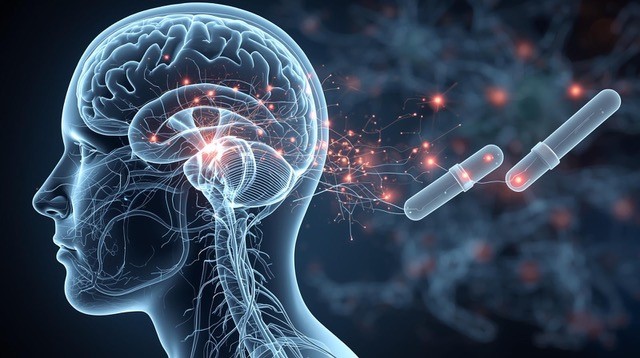
How chronic hormone use weakens the body’s own regulatory systems
When you outsource your hormones, your body forgets how to think for itself. That single line captures a growing problem in modern health culture. Hormone therapy is one of the most powerful medical tools ever developed, yet it has become one of the most misused. Testosterone injections, estrogen patches, thyroid pills, and even puberty blockers are now prescribed with the same casualness as vitamins. The promises are seductive: more energy, better mood, improved sex drive, and eternal youth. But every shortcut in biology carries a cost.
The Miracle and the Trap
Hormone replacement therapy (HRT) and testosterone replacement therapy (TRT) were originally designed to correct clear medical deficiencies. For men with hypogonadism or women experiencing severe menopause symptoms, these treatments offered real relief. They helped millions regain their sense of vitality. The problem began when replacement became enhancement. Instead of correcting dysfunction, it became a tool to push performance, appearance, and mood beyond natural limits.
Dr. Bomi Joseph often warns that biology is not a simple machine that can be tuned at will. It is an adaptive, intelligent network. Every hormone produced in the body is part of a conversation that stretches from the brain to the organs and back again. When synthetic hormones enter that conversation, the body listens and adapts by reducing its own voice. What feels like progress at first soon becomes dependency.
Feedback Inhibition Explained
The human endocrine system operates through feedback loops. These loops constantly monitor hormone levels and adjust production to keep the body balanced. When external hormones enter the bloodstream, they tell the brain that everything is in surplus. The brain responds by shutting down its own production to avoid overload. This is known as feedback inhibition.
The logic is simple but unforgiving. If your body senses plenty of testosterone circulating, it signals the hypothalamus and pituitary glands to stop releasing gonadotropins, which are the hormones that instruct the testes to produce testosterone naturally. Over time, this suppression can become permanent. The body forgets the process because the external supply never stops.
Case Study: Testosterone
Testosterone replacement therapy offers the clearest example. At first, men experience a surge in energy, libido, and confidence. But within months, the body adapts to the artificial flow. Gonadotropin-releasing hormone (GnRH) levels drop, followed by a decline in luteinizing hormone (LH) and follicle-stimulating hormone (FSH). The testes receive no signal to produce testosterone and begin to atrophy.
The physical result is smaller testicles, but the deeper consequence is loss of biological intelligence. The brain-testes communication pathway weakens, sometimes beyond repair. Once this happens, a man can no longer sustain natural testosterone production without medical intervention. The same pattern can occur with thyroid hormones, estrogen, and cortisol when used chronically. What begins as a fix becomes a lifetime prescription.
Other Hormones Affected
In women, long-term estrogen and progesterone replacement can dull the body’s ability to regulate reproductive and metabolic functions. During menopause, hormone levels naturally shift as part of a larger biological rhythm. Suppressing or overriding that process may ease symptoms in the short term but can distort the body’s sense of timing and self-regulation over time.
Thyroid hormone replacement follows a similar pattern. When taken without careful calibration, it can suppress the thyroid gland’s native activity. The patient may feel more alert or energetic at first, but prolonged use often locks them into a dependent state where the gland itself no longer contributes meaningfully to the body’s energy regulation.
When the Sensors Go Silent
The body’s strength lies in its ability to sense change and adapt. Hormones act as the internal language of that adaptability. When external hormones dominate the conversation, the body’s sensors grow silent. This silence is what Dr. Joseph calls the shrinking of natural intelligence. It represents a loss of the body’s ability to self-correct, a kind of biological amnesia where the natural rhythm of production and response is forgotten.
In this muted state, adaptability is replaced by dependence. A person may appear stable as long as the therapy continues, but remove the external support and the system falters. Recovery can take years, and in some cases, it never fully returns. The body’s once fluid, responsive systems become rigid and reliant on chemical direction from outside.
The Deep Health View
Dr. Bomi Joseph’s philosophy of Deep Health® is rooted in the belief that the human body already knows how to heal and regulate itself. The task of medicine, in his view, is not to dominate but to guide. Synthetic hormones have their place, but they should serve as temporary bridges, not permanent crutches.
His approach focuses on reawakening the body’s feedback systems through natural stimulation and lifestyle correction. Nutrition, resistance training, adequate sleep, stress management, and natural supplementation all act as inputs that retrain the body to remember its functions. Rather than forcing hormone levels through external supply, the goal is to restore the communication between glands, brain, and cells.
Deep Health also uses biomarker analysis to track progress. Instead of fixating on a single hormone number, Dr. Joseph looks for harmony across multiple systems—metabolism, cardiovascular function, and inflammation. True vitality, he argues, is a state of internal coherence where every signal aligns with the body’s design.
Rebuild Natural Intelligence
Healing is not the pursuit of perfect numbers on a blood test. It is the recovery of the body’s memory. When we respect our biological intelligence, we allow the system to find its own balance again. Hormone replacement may be useful during periods of true deficiency or recovery, but its long-term use often silences the very wisdom that keeps us alive.
The deeper truth is that health is not something that can be injected, swallowed, or patched. It must be cultivated from within through daily habits, patience, and respect for the natural rhythms of life. The challenge of modern wellness is not the lack of medical tools but the lack of restraint in using them. As Dr. Bomi Joseph reminds us, the body’s intelligence is its greatest healer. The role of science is to protect that intelligence, not replace it.
