
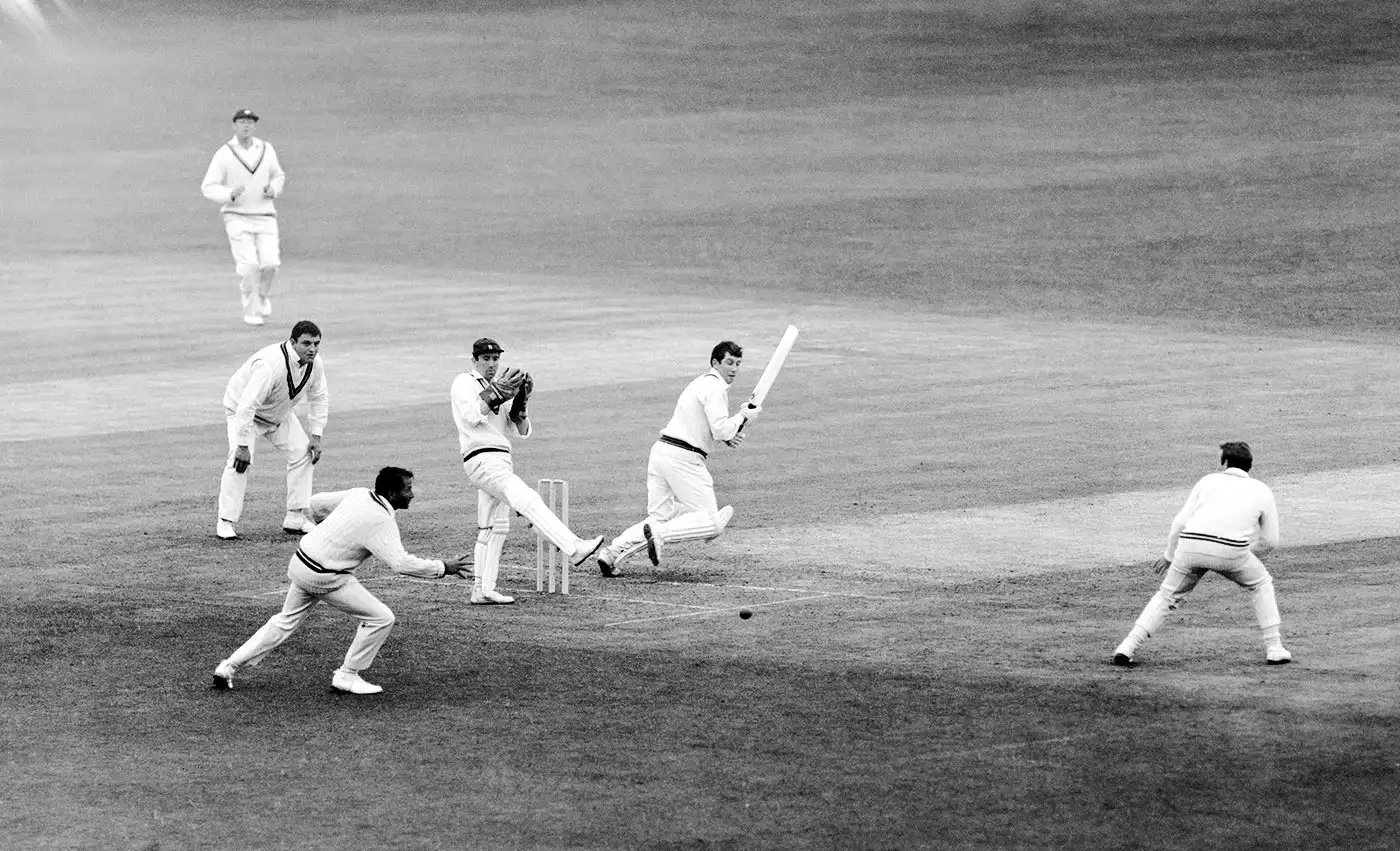
Every fan loves the game. You enjoy a clean strike, a sharp throw, or a clutch finish. Still, many fans want to know how it all began. The history of cricket is long and steady, yet easy to follow when shared simply.
This guide gives you the origin of cricket, how the sport moved across countries, and how it grew into the global game we see today.
Your cricket matters, and knowing the roots of the sport adds meaning to every match you play or watch.
Early origin of cricket
The origin of cricket traces back to rural England. Children played with a stick and a ball on open fields. Adults soon joined them, and the game began to grow. It was simple at first. Each group followed its own style.
What early cricket looked like
Players used gear quite different from what we see today.
- A ball made from wool or leather
- A short curved bat
- A target that later shaped the wicket
- Runs scored through small sprints
These small pieces slowly shaped early cricket history.
First written record
The earliest mention of cricket came from the 1500s. A court document from Guildford described children playing “creckett”. Later notes from the 1600s and 1700s brought more details. Each record helped form a clearer path of the game’s early days.
Cricket grows across England
Cricket moved from farmland to towns. Local clubs formed. Matches drew spectators. People placed wagers, which raised the tension around contests. This phase pushed cricket to a stronger place in English life.
Why cricket spread fast
Cricket spread because:
- It needed basic gear
- Anyone could join
- It fit well on open ground
- Matches brought people together
This slow and steady rise became a key part of early cricket history.
Start of county cricket
By the 1700s, counties like Kent, Sussex, and London formed teams. Scorecards also began around this time. These early scorecards were simple lists, yet they brought some structure.
CricHeroes carries this feeling today as players score their own matches and keep their story alive.
How cricket reached other countries
As travel increased, cricket moved from England to other regions. Sailors, officers, and traders carried the game wherever they traveled. Local communities adjusted it to their own style.
Why cricket found a place in many countries
Cricket fit well because:
- It encouraged teamwork
- It matched both large and small grounds
- Simple rules made it easy to start
- It created shared moments
These reasons helped shape global cricket history.
Cricket in India
India first saw cricket in the 1700s. The Parsis formed the earliest Indian clubs. Matches soon drew crowds. Over time, India became one of the strongest cricketing nations.
Even today, millions play gully cricket, weekend matches, and school games. CricHeroes supports this journey by helping scorers and players track their numbers.
Cricket in Australia
Cricket reached Australia in the late 1700s. The first official Test match took place in 1877 between Australia and England. This moment marked a big step in international cricket. Many legends began on rough grounds, much like young players today.
Cricket in the Caribbean
Cricket blended well with the rhythm of the Caribbean. Beaches and open streets became natural grounds. The region later produced fast bowlers and stylish batters who left a lasting mark on the sport.
Rise of Test cricket
The history of cricket changed with the start of international matches. The first Test match in 1877 set a new direction. Tests became the highest form of cricket for many years.
What made Test cricket special
- Long contests
- Patience and skill
- Room for strong comebacks
- Iconic rivalries
Many fans enjoy the calm flow and thoughtful style of Test cricket.
The Ashes
In 1882, England lost to Australia. A newspaper joked that English cricket had “died” and that its ashes would be taken to Australia. This fed the birth of The Ashes.
This contest still inspires passion and remains a key chapter in cricket history.
New formats enter the scene
Cricket changed with time. People wanted shorter games. Organisers looked for ways to bring more action into limited hours.
One Day Internationals take shape
The first ODI was played in 1971. Each team faced a fixed number of overs. This format offered clear results in one day.
Why ODIs became popular
- Shorter matches
- Balanced pace
- Big tournaments
- Wider TV reach
This helped cricket reach homes across the world.
Arrival of T20 cricket
T20 cricket started in the early 2000s. Each side played 20 overs. The format encouraged bold hitting and daring shots. Crowds loved the thrill.
How T20 changed the sport
- Quicker matches
- Creative strokes
- Growing youth interest
- Rise of global leagues
T20 also changed gully cricket. Every batter wanted that one clean six.
Growth of franchise leagues
Leagues like the IPL, BBL, CPL, and others brought cricketers from many nations together. Younger players gained new chances. Fans enjoyed fast action.
Grassroots leagues also grew. Today, many tournaments are scored on CricHeroes to track player journeys.
How cricket changed across eras
Cricket kept shifting with gear changes, better grounds, and new rules. Technology also shaped the sport.
Key changes
- Stronger bats
- Safer helmets
- Third umpire checks
- Ball tracking
- New camera angles
- Improved outfields
These upgrades helped players perform with more confidence and helped fans enjoy clearer viewing.
Cricket in today’s world
Cricket now reaches more than 100 countries. Fans follow Tests, ODIs, T20s, and franchise leagues. Social media brings every moment to your screen.
Grassroots cricket today
From school matches to office leagues to gully battles, cricket grows every day.
CricHeroes supports this by giving players a way to score matches, follow stats, and build their cricket identity.
Your cricket matters. Every run and wicket adds to your journey.
Comparison of formats
Here is a simple table to understand the three main formats.
| Format | Match length | Key trait | Fan mood |
|---|---|---|---|
| Test | Five days | Long contests | Classic fans |
| ODI | One day | Steady pace | Broad mix |
| T20 | Around three hours | Fast action | Casual and young fans |
FAQs
What is the origin of cricket?
The origin of cricket comes from village games in England during the 1500s.
When did cricket start?
Cricket started in the 1500s based on early records.
Who played the first Test match?
Australia and England played the first Test match in 1877.
Why did ODI cricket grow?
ODI cricket grew because fans wanted shorter matches with clear results.
How did T20 cricket begin?
T20 cricket began to add fast action and shorter contests for new audiences.
Which country outside England adopted cricket early?
India, Australia, and the Caribbean adopted cricket early through travel and local interest.
How did cricket spread across countries?
Cricket spread through sailors, officers, and workers who carried the game abroad.
How do local players join cricket history today?
Local players add to cricket history through school games, leagues, and digital scoring on CricHeroes.
What is the oldest cricket rivalry?
The Ashes is the oldest rivalry between England and Australia.
How can I track my cricket progress?
You can track your progress on CricHeroes with match scoring and player stats.
Final takeaways
The history of cricket shows a steady rise from a small village pastime to a global sport. From the early origin of cricket to modern stadium lights, the game moved through many eras.
Your cricket matters. Every match you play becomes part of your personal story.
Start your match today
Your story deserves to be scored. Start your match today on CricHeroes. Download now and build your journey with every run and wicket.