

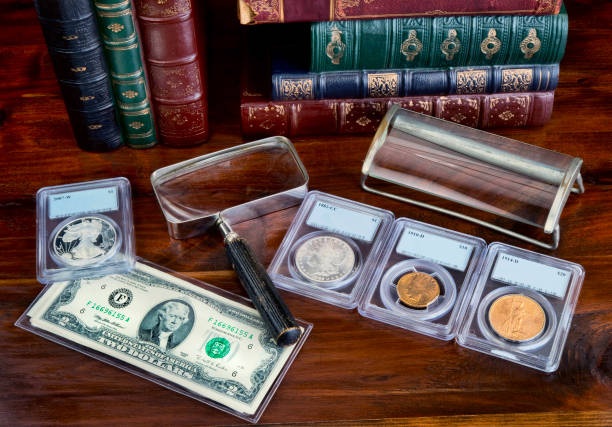
For many, a coin collection is something stumbled upon by chance—perhaps discovered in the back of a dusty drawer or inherited from a relative who spent decades quietly gathering pieces of history. Whether it’s a jar of old silver dollars or a carefully organized album of wheat pennies, these collections often hold more than just sentimental value. However, turning those coins into cash without getting shortchanged requires a bit of knowledge and the right approach.
If you are looking to liquidate a collection, avoiding common pitfalls can make the difference between a standard payout and a windfall. Here is what you need to know before you sell.
The Golden Rule: Never Clean Your Coins
The single most common mistake people make when preparing to sell a coin collection is trying to “spruce it up.” It is a natural instinct to want your items to look their best, but in the world of numismatics (coin collecting), cleaning is a disaster.
Collectors prize the original surface of a coin, including the “patina”—the natural toning that occurs over time. Scrubbing a coin, dipping it in cleaning solutions, or even polishing it with a cloth can cause microscopic scratches that destroy its numismatic value. A dirty, rare coin is worth significantly more than a shiny, damaged one. If you have old coins, leave them exactly as they are.
Understand What You Have: Bullion vs. Numismatic
Coin values generally fall into two categories: bullion value and numismatic value.
- Bullion Value: This is based strictly on the precious metal content of the coin. For example, US quarters, dimes, and half-dollars minted before 1965 are made of 90% silver. Their value fluctuates with the daily spot price of silver.
- Numismatic Value: This refers to the collector value of the coin, determined by its rarity, historical significance, demand, and condition. A coin with high numismatic value can be worth thousands of dollars, even if its metal content is only worth a few cents.
Distinguishing between the two can be difficult for the untrained eye. A reputable buyer will be able to separate the “junk silver” (coins bought for their silver content) from the rare key dates that deserve a premium price.
The Importance of a Local Assessment
While online marketplaces exist, they often come with high fees, shipping risks, and the danger of scams. For most sellers, dealing with a local expert is the safest and most profitable route. A face-to-face appraisal allows you to ask questions and see exactly how the offer is calculated.
Finding a transparent dealer is key. If you are in the Central Texas area, for instance, seeking out established Waco Coin Buyers can provide you with a fair market assessment without the hassle of shipping heavy collections. Local professionals rely on their reputation within the community, ensuring they offer competitive rates to keep their business thriving.
Conclusion
Selling a coin collection should be a rewarding experience that honors the effort put into building it. By resisting the urge to clean your coins and seeking out a knowledgeable professional for an appraisal, you can ensure you receive the true worth of your hidden treasures. Before you let those coins go, take the time to get them evaluated—you might be surprised by what you are holding.