
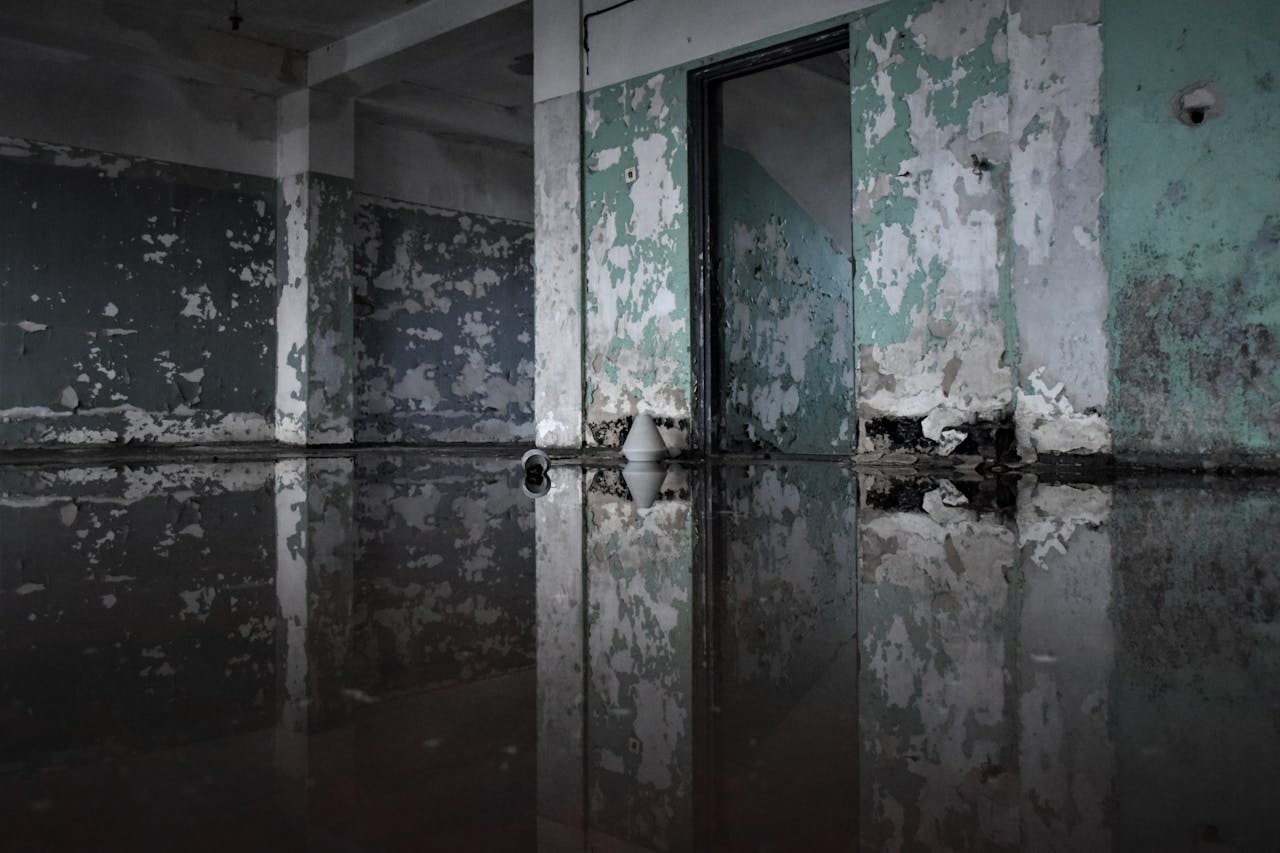
Water damage is one of the most costly and disruptive issues a business can face. It can happen suddenly due to burst pipes, roof leaks, faulty appliances, or severe weather, and its effects often extend far beyond the initial incident. Many business owners assume that water damage automatically leads to massive repair costs and prolonged downtime. While water damage can be expensive, the way it is handled directly impacts the total financial outcome. Quick, informed decisions can dramatically reduce costs and protect long‑term operations. Understanding how to manage water damage strategically allows businesses to control expenses instead of reacting to them. With a structured approach, water damage does not have to become a financial disaster.
Act Immediately to Reduce the Scope of Damage
The most effective way to save money after water damage occurs is to act immediately. Water spreads quickly through flooring, walls, ceilings, and equipment, increasing cleanup and repair costs with every passing hour. Standing water allows materials to absorb moisture, making them harder to salvage. Rapid response reduces the number of items that must be removed and replaced. Delays often lead to mold growth, which dramatically increases remediation expenses. Prompt action limits secondary damage that compounds repair needs. Speed is the single greatest cost‑saving factor in water damage situations.
Stop the Water Source as Quickly as Possible
Controlling the source of water is essential for limiting financial loss. Shutting off water lines, repairing leaks, or temporarily sealing roof breaches prevents additional intrusion. If water continues entering the facility, restoration efforts become inefficient and costly. Businesses should ensure employees know where emergency shut‑off valves are located. Preventing further water entry reduces drying time and limits structural exposure. Addressing the source protects unaffected areas from damage. Quick containment prevents escalating expenses.
Protect Equipment, Inventory, and Critical Assets
Water damage does not only affect the building structure but also valuable business assets. Electronics, machinery, documents, and inventory are particularly vulnerable to water exposure. Elevating or relocating assets away from wet areas reduces loss. Acting quickly may allow some items to be dried and restored instead of replaced. Loss of equipment often creates additional operational costs beyond repairs. Asset protection directly impacts business continuity and revenue. Preserving critical items contributes to significant cost savings.
Avoid Delayed Drying That Leads to Mold Costs
One of the most expensive consequences of water damage is mold growth. Mold remediation is far costlier than basic water extraction and drying. Mold can begin developing within 24 to 48 hours when moisture is left untreated. Once mold takes hold, additional containment, air filtration, and material removal are required. Businesses that dry affected areas quickly often avoid mold entirely. Preventing mold significantly reduces restoration budgets. Speedy drying prevents a manageable situation from becoming a major expense.
Use Professional Drying Instead of Repeated Repairs
Some businesses try to save money by using fans or portable dehumidifiers without professional assessment. While these methods may appear cost‑effective, they often miss trapped moisture inside walls, beneath flooring, or within insulation. Hidden moisture leads to delayed deterioration and expensive rework. Professional drying equipment identifies and removes moisture completely. Thorough drying prevents repeat repairs and extended downtime. Quality drying once is far less expensive than repairing the same area multiple times. Effective drying protects both finances and timelines.
Document Damage Thoroughly for Insurance Optimization
Accurate documentation plays a major role in controlling out‑of‑pocket expenses. Photos, videos, moisture readings, and written records support insurance claims. Proper documentation ensures that covered damages are reimbursed appropriately. Missing or incomplete records can result in denied expenses or delayed payments. Insurance disputes often increase overall costs through extended repair timelines. Detailed documentation supports faster claim resolution. Strong records maximize financial recovery.
Work With Restoration Professionals Who Understand Commercial Needs
Commercial facilities require restoration strategies that differ from residential properties. A Denver restoration company understands how to reduce downtime and prioritize operational efficiency. Choosing professionals experienced with commercial water damage prevents unnecessary shutdowns. Professionals coordinate work in phases to allow partial operations when possible. Their expertise helps reduce business interruption costs. Specialized knowledge leads to smarter restoration decisions. The right partner saves money through efficient execution.
Plan Repairs Strategically to Minimize Downtime
Downtime is one of the most significant hidden costs of water damage. Lost productivity, disrupted services, and delayed revenue all add up quickly. Strategic repair planning allows businesses to operate in unaffected areas while restoration continues elsewhere. Staggered repairs reduce complete shutdowns. Clear timelines help leadership plan staffing and operations accordingly. Efficient coordination avoids wasted labor and contractor overlap. Minimizing downtime protects the bottom line.
Prevent Scope Creep by Defining Restoration Clearly
Uncontrolled scope expansion can cause costs to spiral unexpectedly. Clearly defining what areas are affected and what work is required prevents unnecessary repairs. Restoration professionals should conduct detailed assessments before work begins. Changes should be documented and approved before proceeding. Avoiding vague repair plans reduces surprise expenses. Scope control keeps budgets predictable. Clear boundaries protect financial planning.
Address Structural Issues Early to Avoid Compounding Damage
Small structural issues caused by water exposure can worsen if ignored. Warped flooring, weakened supports, or compromised drywall may seem manageable initially. Delaying structural repairs often leads to more invasive and expensive reconstruction later. Early intervention preserves structural materials. Correcting problems early costs less than rebuilding later. Proactive repairs prevent long‑term deterioration. Structural integrity directly affects repair budgets.
Schedule Preventive Inspections After Restoration
Saving money also means preventing future water damage incidents. After restoration, preventive inspections identify vulnerabilities that could cause repeat issues. Aging plumbing, faulty drainage, or roofing weaknesses often contribute to water damage. Addressing these proactively avoids other costly emergencies. Preventive maintenance costs far less than emergency restoration. Inspections protect long‑term financial stability. Forward planning reduces future losses.
Train Staff to Identify and Report Water Issues Quickly
Employees are often the first to notice leaks, drips, or moisture concerns. Training staff to report issues immediately prevents delay‑related costs. Clear reporting procedures ensure issues are addressed before spreading. Creating awareness reduces unnoticed water exposure. Early reporting supports faster response. Staff involvement improves facility monitoring. Awareness reduces financial impact.
Evaluate the True Cost of Waiting
Many business owners delay action due to concerns about immediate expenses. However, waiting often results in significantly higher costs later. Increased structural damage, mold remediation, and prolonged downtime add financial strain. Acting quickly reduces total restoration spend. Proactive decisions protect cash flow. Cost avoidance is achieved through early investment. Waiting is almost always more expensive.
Invest in Water Detection and Monitoring Technology
Modern monitoring tools help businesses detect leaks early. Water sensors, alarm systems, and automatic shut‑off valves reduce damage severity. Early alerts allow intervention before flooding occurs. These tools minimize emergency restoration costs. Technology investment pays for itself over time. Monitoring adds another layer of financial protection. Prevention through technology saves money long‑term.
Conclusion
Water damage does not have to result in overwhelming financial loss for businesses. Acting quickly, stopping the source, and drying thoroughly are the most effective cost‑saving measures. Protecting assets and preventing mold reduce major expenses. Professional restoration and strategic planning minimize downtime. Strong documentation supports insurance recovery. Preventive measures and staff awareness lower future risks. Smart, informed response turns water damage into a manageable challenge instead of a financial crisis.