
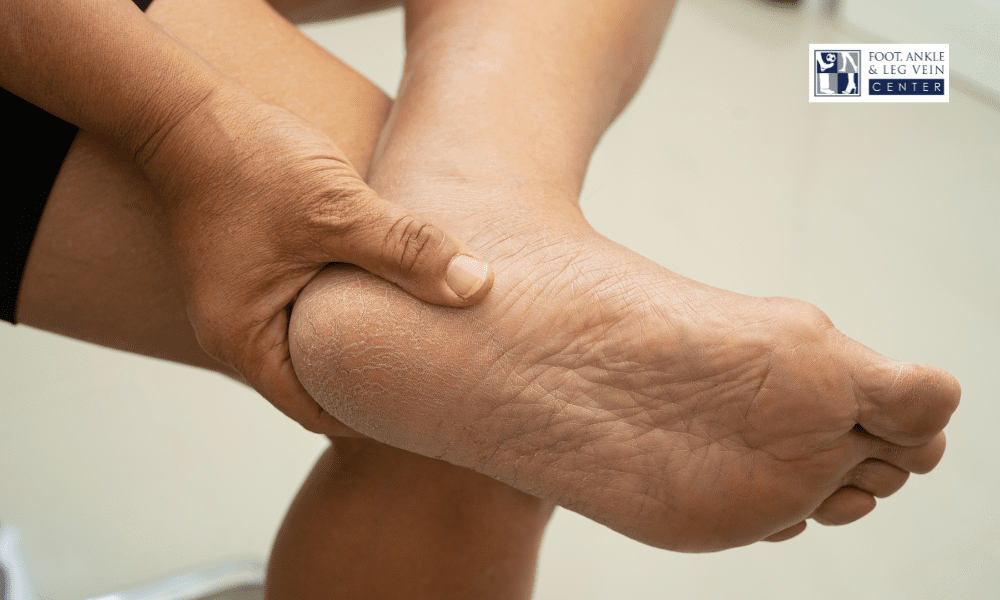
Heel pain is a common problem that affects many people in Boynton Beach, FL, making daily activities like walking, standing, or exercising uncomfortable. Patients often notice pain in the heel area that flares after long periods of standing, after exercise, or during the first steps in the morning.
The pain can range from mild soreness to sharp discomfort, and it may be felt in the underside of the heel, the arch of the foot, or the back of the heel. Heel pain is often caused by stress on the tissue along the bottom of the foot, which can make simple tasks like climbing stairs or carrying groceries challenging.
At the Foot, Ankle & Leg Vein Center in Boynton Beach, our team evaluates each patient’s heel pain carefully to determine its cause. Whether it is plantar fasciitis, heel spurs, Achilles tendon strain, or a stress fracture, we create a treatment plan tailored to each patient.
Our approach combines exercises, conservative therapies, home remedies, and advanced heel pain treatment options to reduce discomfort and restore function. Early intervention can prevent heel pain from becoming chronic and impacting quality of life.
How Tissue Stress Leads to Heel Pain
The plantar fascia is a thick band of tissue that runs along the bottom of the foot and connects the heel bone to the toes. This tissue absorbs stress every time you stand, walk, or run. Over time, repeated strain on the plantar fascia or surrounding structures can lead to inflammation, small tears, or chronic plantar fasciitis.
Stress on the heel can also trigger pain in the back of the heel, the arch, or along the Achilles tendon. Understanding how tissue stress causes heel pain is key to reducing discomfort and preventing long-term problems.
Common Causes of Heel Pain
Heel pain has many sources. Plantar fasciitis is one of the most common causes, often resulting from strain on the plantar fascia tissue along the bottom of the foot. Heel spurs, small bony growths on the heel bone, can develop due to long-term stress and inflammation.
Achilles tendon strain, stress fractures, and chronic plantar fasciitis are other frequent contributors. Certain activities, like running on hard surfaces, wearing unsupportive footwear, or standing for long periods, can worsen pain. Identifying the exact cause helps guide effective heel pain treatment.
Home Remedies to Reduce Heel Pain
For mild to moderate heel pain, simple home remedies can provide relief. Stretching the calf and plantar fascia tissue can reduce tension, while icing the bottom of the foot with a frozen water bottle helps reduce pain and inflammation.
Over-the-counter pain relievers can also ease discomfort temporarily. Proper footwear with adequate arch support and cushioned soles can limit strain on the heel. While these measures help in the short term, persistent heel pain often requires professional evaluation to address the underlying cause.
Exercises That Target Heel Pain
Exercise is a critical component of heel pain treatment. Stretching the calf muscles and plantar fascia tissue improves flexibility and reduces strain on the heel. Rolling a frozen water bottle along the bottom of the foot or performing gentle calf raises can ease pain and strengthen supporting muscles.
Strengthening the arch and improving foot mechanics helps prevent recurrent stress on the plantar fascia. For patients with chronic heel pain, a consistent exercise routine can significantly reduce flare-ups and improve overall foot function.
Professional Heel Pain Treatment Options
When heel pain persists despite home remedies and exercises, it is important to see a foot specialist. Chronic plantar fasciitis, heel spurs, and stress fractures can worsen without appropriate care. At the Foot, Ankle & Leg Vein Center, our team evaluates the cause of heel pain and recommends individualized treatment options.
These may include conservative treatments like physical therapy, stretching programs, orthotics, and anti-inflammatory medications. In more severe cases, advanced treatments such as shockwave therapy, platelet-rich plasma injections, or minimally invasive plantar fascia release may be appropriate. Each plan focuses on reducing pain, controlling inflammation, and restoring mobility.
Managing Chronic Heel Pain
Patients with chronic heel pain need to take proactive steps to prevent recurrence. Regular stretching of the calf and plantar fascia tissue, strengthening exercises, and wearing supportive footwear are critical.
Monitoring foot mechanics during daily activities helps reduce stress on the heel and plantar fascia. Avoiding repetitive activities that worsen pain and pacing physical activity are also important strategies. Regular follow-ups with a foot specialist in Boynton Beach can help track progress, adjust treatment plans, and maintain long-term pain relief.
The Connection Between Heel Pain and Lifestyle
Lifestyle factors can contribute to heel pain and tissue stress. Excess weight, prolonged standing, and high-impact activities increase pressure on the plantar fascia and heel bone. Poor footwear or walking on uneven surfaces can also exacerbate pain.
By addressing these factors through proper footwear, activity modification, and exercises, patients can reduce stress on the heel and prevent the development of chronic heel pain. Education about tissue stress and pain triggers is an essential part of comprehensive heel pain treatment.
Effective Heel Pain Treatment in Boynton Beach
Heel pain can make daily activities difficult, but understanding the relationship between tissue stress and pain allows for effective treatment. The Foot, Ankle & Leg Vein Center in Boynton Beach, FL, provides comprehensive care for plantar fasciitis, heel spurs, Achilles tendon strain, and chronic heel conditions.
Our team offers home remedies, targeted exercises, conservative therapies, and advanced heel pain treatment options to relieve pain, reduce inflammation, and restore foot and ankle function. If you are experiencing persistent heel pain, schedule a consultation today to receive a personalized treatment plan that addresses the cause of your discomfort and helps you regain mobility and comfort.
