
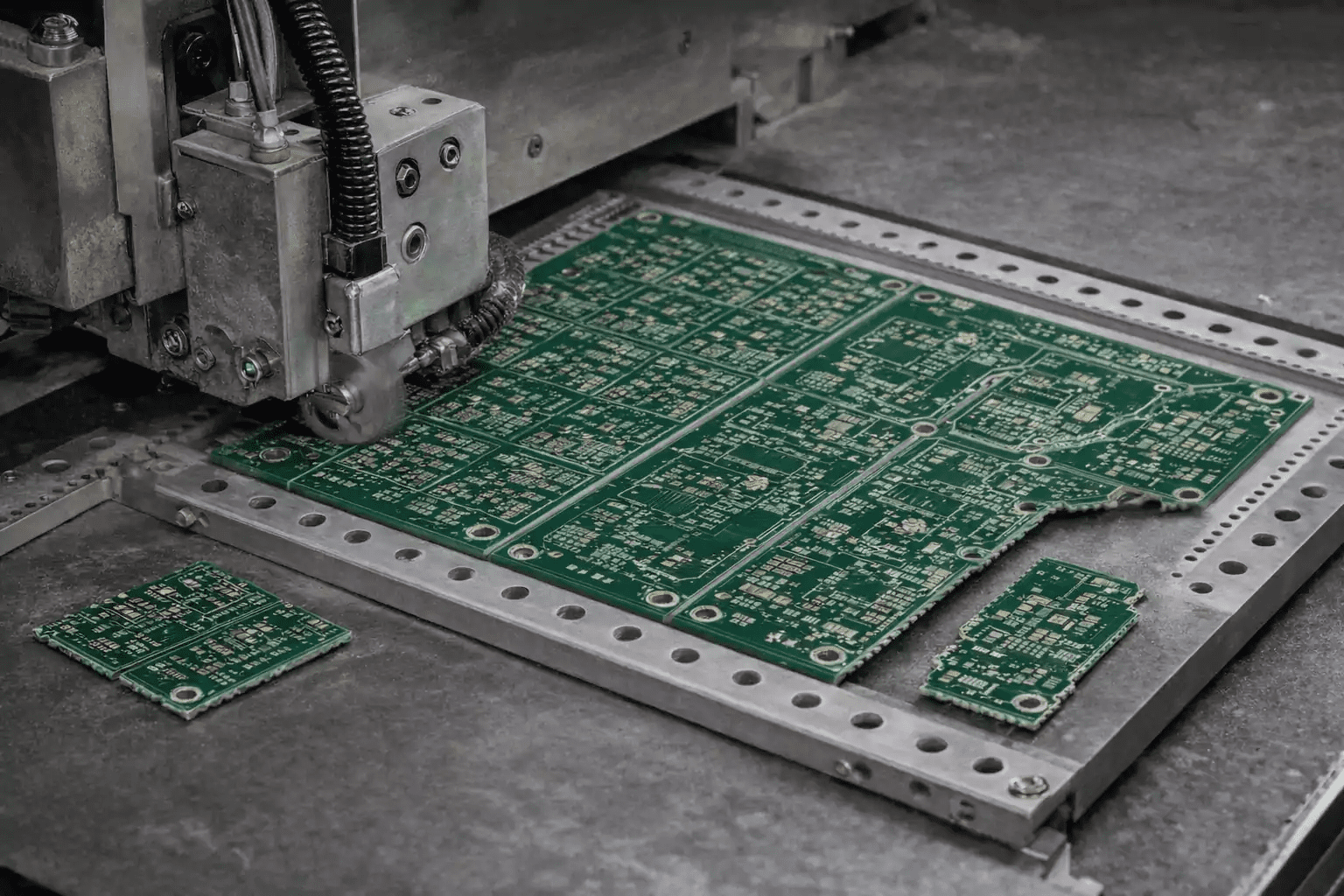
In today’s electronics-driven world, ensuring the reliability and performance of printed circuit boards is just as important as designing and fabricating them. This is especially true for HDI PCB (High-Density Interconnect PCB) applications, where compact designs, fine traces, and high component density leave little room for error. To guarantee flawless performance, comprehensive testing is essential. FastTurn PCB provides advanced PCB testing services, including In-Circuit Testing (ICT), Burn-In Testing, and Functional Testing, ensuring every PCB meets the highest quality and reliability standards before deployment.
Why PCB Testing Is Critical for HDI PCBs
Hdi pcb are widely used in industries such as consumer electronics, automotive systems, medical devices, telecommunications, and industrial automation. These applications demand:
- High signal integrity
- Precise electrical performance
- Long-term reliability under stress
- Zero tolerance for hidden defects
Because HDI PCBs use microvias, fine-pitch components, and multilayer constructions, even minor manufacturing defects can lead to significant performance issues. That’s why robust PCB testing is a critical step in the production process.
FastTurn PCB integrates advanced testing methodologies into its manufacturing workflow to ensure that every HDI PCB performs reliably in real-world conditions.
Overview of PCB Testing Services at FastTurnPCB
FastTurn PCB offers a comprehensive suite of testing services designed to detect defects early, validate functionality, and ensure long-term durability. These services include:
- In-Circuit Testing (ICT)
- Burn-In Testing
- Functional Testing
Each testing method serves a specific purpose, collectively ensuring the highest level of quality and reliability for HDI PCBs.
In-Circuit Testing (ICT): Detecting Defects Early
In-Circuit Testing (ICT) is one of the most effective methods for identifying manufacturing defects in assembled PCBs. ICT focuses on verifying individual components and electrical connections on the board.
Key Benefits of ICT for HDI PCBs
- Detects open circuits, short circuits, and incorrect component values
- Verifies solder joints and component placement
- Identifies manufacturing defects early in the production cycle
- Reduces costly rework and field failures
For HDI PCBs, where component density is high and access points are limited, FastTurn PCB uses advanced ICT fixtures and testing strategies to ensure precise measurements and accurate results.
By catching issues at this stage, FastTurn PCB helps clients maintain high yields and consistent product quality.
Burn-In Testing: Ensuring Long-Term Reliability
Burn-in testing is designed to identify early-life failures by operating PCBs under elevated stress conditions for extended periods. This process is particularly important for HDI PCBs used in mission-critical applications.
How Burn-In Testing Works
During burn-in testing, PCBs are subjected to:
- Elevated temperatures
- Continuous electrical operation
- Simulated real-world stress conditions
This process accelerates potential failure mechanisms, allowing defective components or weak solder joints to be identified before the product reaches the end user.
Advantages of Burn-In Testing
- Improves long-term reliability
- Reduces warranty claims and field failures
- Validates component quality and assembly integrity
- Ideal for automotive, medical, and industrial HDI PCB applications
FastTurn PCB customizes burn-in test parameters based on the application, ensuring optimal reliability without unnecessary stress on the board.
Functional Testing: Validating Real-World Performance
While ICT and burn-in testing focus on components and durability, functional testing ensures that the PCB performs exactly as intended in its final application.
What Functional Testing Covers
- Verification of signal integrity and data transmission
- Validation of power distribution and voltage regulation
- Testing communication interfaces such as USB, HDMI, RF, and Ethernet
- Simulation of real-world operating conditions
For HDI PCBs, functional testing is essential because high-speed signals and compact layouts can be sensitive to impedance mismatches and noise. FastTurn PCB uses customized test setups to replicate real operating environments, ensuring accurate performance validation.
Why HDI PCBs Require Advanced Testing Expertise
HDI PCBs differ significantly from traditional PCBs due to:
- Microvias and blind/buried vias
- Fine-line traces and tight spacing
- Multilayer stackups
- High-speed and high-frequency signals
These features demand advanced testing capabilities and experienced engineers. FastTurn PCB combines cutting-edge equipment with deep technical expertise to ensure that every HDI PCB is thoroughly tested and validated.
Quality Assurance Standards at FastTurnPCB
FastTurn PCB integrates testing into a broader quality assurance framework, ensuring consistency and compliance across all projects.
Key Quality Measures Include:
- Automated Optical Inspection (AOI) for visual defect detection
- X-ray inspection for hidden solder joints and BGA components
- Electrical testing for continuity and isolation
- Traceability and documentation for compliance and audits
FastTurn PCB follows industry-recognized standards such as ISO, IPC, UL, and RoHS, ensuring that every HDI PCB meets global quality and safety requirements.
Applications of Tested HDI PCBs
HDI PCBs tested by FastTurn PCB are used across a wide range of industries:
- Consumer Electronics: Smartphones, tablets, wearables, and gaming devices
- Automotive Electronics: ADAS, infotainment systems, and control modules
- Medical Devices: Diagnostic equipment, monitoring systems, and imaging devices
- Telecommunications: High-speed networking and RF communication systems
- Industrial Systems: Automation, robotics, and control electronics
In all these applications, comprehensive testing ensures reliability, safety, and performance throughout the product lifecycle.
Benefits of Choosing FastTurnPCB for PCB Testing
Electronics companies trust FastTurn PCB for PCB testing because of:
- Comprehensive Testing Coverage: ICT, burn-in, and functional testing under one roof
- HDI Expertise: Specialized knowledge of high-density PCB challenges
- Early Defect Detection: Reduced rework, scrap, and production delays
- Improved Product Reliability: Lower failure rates and higher customer satisfaction
- Scalable Solutions: Testing services for prototypes, low-volume runs, and mass production
This integrated approach helps clients reduce risk, improve time-to-market, and deliver high-quality electronic products.
Conclusion
As electronics continue to become smaller, faster, and more complex, HDI PCBs require advanced testing to ensure flawless performance. FastTurn PCB provides industry-leading PCB testing services, including In-Circuit Testing, Burn-In Testing, and Functional Testing, delivering unmatched quality and reliability.
By choosing FastTurn PCB, manufacturers gain access to expert testing capabilities, rigorous quality assurance, and dependable results, ensuring that every HDI PCB performs exactly as intended in real-world applications.
Learn more about professional PCB testing and HDI PCB solutions by partnering with FastTurn PCB.