
Introduction
Harm reduction is a pragmatic public health framework designed to mitigate the negative consequences associated with drug use without insisting on immediate abstinence. It challenges traditional paradigms by shifting the focus from moral judgment to health and safety. Though often misunderstood and politically contentious, harm reduction saves lives, reduces disease transmission, and fosters pathways to recovery.
A Path to Recovery Through Medical Support
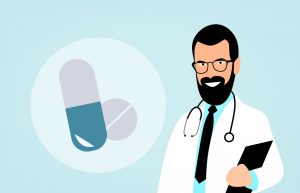
Subutex is a medication commonly prescribed to help individuals struggling with opioid dependence. It works by reducing withdrawal symptoms and cravings, making the recovery process more manageable. A Subutex prescription is typically given as part of a comprehensive treatment plan that includes counseling and behavioral therapy. This approach ensures that patients receive both medical and emotional support during their journey to sobriety. Healthcare providers closely monitor progress and adjust dosages when necessary to enhance treatment outcomes. With proper supervision and commitment, individuals prescribed Subutex often experience significant improvements in their health and overall well-being.
The Philosophy Behind Harm Reduction
At its core, harm reduction embraces a philosophy of safety over sanctimony. It does not condone drug use but recognizes the reality that many individuals engage in it regardless of legal or societal consequences. Rather than imposing punitive measures, harm reduction seeks to meet individuals where they are.
This compassionate pragmatism opposes the zero-tolerance doctrine that dominates many drug policies. It acknowledges the dignity of those who use drugs and works to minimize harm through education, resources, and support—an ideology rooted more in empathy than in enforcement.
Core Harm Reduction Strategies in Practice
Effective harm reduction measures are already operational in many regions. Needle exchange programs offer sterile syringes to reduce the spread of bloodborne diseases such as HIV and hepatitis C. Safe injection sites, staffed by medical professionals, provide controlled environments where users can consume substances under supervision, drastically lowering overdose deaths.
Medication-assisted treatment (MAT), such as the use of methadone or buprenorphine, stabilizes individuals and reduces illicit drug consumption. Supervised detox centers, which offer medical oversight and referrals to counseling or therapy, are instrumental in initiating long-term recovery.
Perhaps the most transformative tool is naloxone, an opioid antagonist that reverses overdoses in real time. Widespread distribution of this medication among first responders and communities has pulled countless individuals back from the brink of death.
Addressing Public Misconceptions
Opponents often argue that harm reduction encourages drug use, but this notion stems from misconception rather than fact. Research consistently shows that access to harm reduction services does not increase substance use; instead, it fosters engagement with health services and facilitates recovery.
Critics often overlook the empirical foundation underpinning harm reduction. These strategies are not whims of ideology but interventions rooted in data, epidemiology, and behavioral science. They reduce mortality, lower healthcare costs, and enhance public safety—not in theory, but in practice.
Global and Local Success Stories
Portugal decriminalized all drugs in 2001, opting to treat substance use as a health issue. The results have been dramatic: overdose deaths have plummeted, HIV rates among users have fallen, and incarceration for drug offenses has become rare.
In Canada, particularly in Vancouver, supervised consumption sites like Insite have recorded thousands of overdose interventions without a single fatality. These facilities also connect users to housing and treatment resources.
Closer to home, community-led initiatives in U.S. cities such as Baltimore and New York have created grassroots networks for naloxone distribution, peer support, and harm reduction education. These localized models prove that systemic change can start at the street level.
The Roadblocks: Legal, Political, and Social Resistance
Despite its benefits, harm reduction remains entangled in red tape. Federal laws, including the criminalization of drug paraphernalia, often inhibit implementation. Many states resist needle exchange programs or supervised injection sites on ideological grounds.
Moral opposition from political figures and segments of the public frames harm reduction as permissive or reckless. These views are frequently fueled by stigma and a lack of familiarity with the scientific evidence.
Moreover, harm reduction programs often operate on shoestring budgets, reliant on grants and donations. Without sustained funding and policy support, their reach remains limited—even where the need is dire.
The Future of Harm Reduction
To evolve, harm reduction must be integrated into broader healthcare systems. Primary care settings should screen for substance use and offer harm reduction counseling as part of standard care. Emergency departments, shelters, and outreach teams must be trained and equipped accordingly.
Technological innovation also holds promise—mobile health units, telemedicine counseling, and smart overdose detection devices are redefining how services are delivered. These advances can help overcome geographic and logistical barriers.
Taking the First Step Toward Recovery
Finding the right medical support is crucial when beginning the journey to overcome opioid dependence. Access to experienced and licensed professionals can make a significant difference in the success of treatment. A helpful resource for many individuals is a Subutex doctor locator, which simplifies the process of finding certified doctors who can prescribe Subutex—a medication used to manage withdrawal symptoms and support long-term recovery. This tool allows users to search by location, making it easier to access care nearby. With proper guidance and treatment, individuals can move forward with confidence and hope for a healthier future.
Conclusion
Harm reduction may stir controversy, but its foundation is compassion, science, and pragmatism. As societies grapple with the relentless toll of substance use disorders, the question is no longer whether harm reduction should be adopted—it is whether we can afford to ignore it any longer. Lives hang in the balance, and the time for ideologically driven hesitation has long passed.