
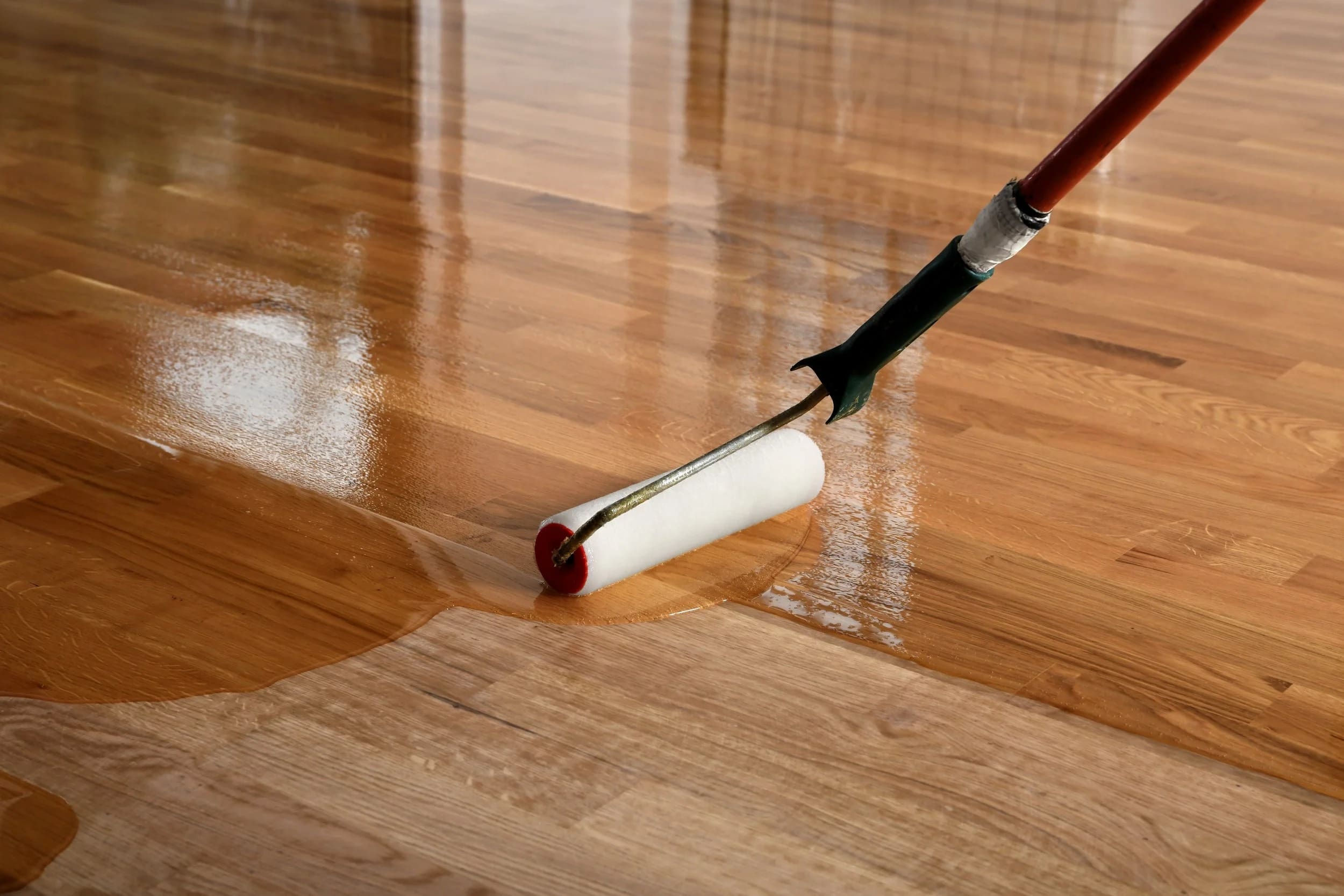
Floor aging rarely feels urgent until marks begin to multiply. Dull patches, fine cracks, and uneven tones quietly signal that surface protection has weakened. At this stage, curiosity naturally forms around hardwood refinishing cost, especially when replacement seems excessive. Understanding what shapes pricing before damage escalates helps you act with clarity rather than pressure.
This guide explains the precise elements that influence pricing decisions. Each section focuses on one cost driver, so you can anticipate expenses, compare estimates logically, and plan work without disruption. By the end, budgeting will feel structured, not uncertain, because every variable will already feel familiar.
Floor Size and Layout Complexity
Square footage establishes the initial pricing framework. Larger areas demand more sanding time, coatings, and drying cycles. However, open layouts reduce interruptions, allowing faster movement of equipment. Smaller homes with multiple rooms often cost more per square foot because setup time repeats across spaces.
Layout complexity has increased labor needs in many projects. Stairs, tight corners, and built-in features slow workflow and raise effort levels. Over time, contractors have adjusted pricing models to reflect movement difficulty rather than the area alone. When planning, visual layout matters as much as floor dimensions.
Wood Species and Surface Condition
Wood density affects how floors respond to sanding and finishing. Softer boards sand quickly but absorb finishes unevenly, requiring extra sealing. Harder boards resist wear but demand slower sanding passes. Species choice has always influenced refinishing timelines and material usage.
Surface condition often determines final pricing more than species. Deep scratches, cupping, or discoloration increase preparation stages. Floors neglected for years usually require heavier sanding and patching. In such cases, refinishing has taken longer, increasing labor hours and material consumption significantly.
Refinishing Method and Finish Type
Full sanding removes deep flaws and resets the surface, but involves multiple passes and drying intervals. Light screening works for mild wear but cannot correct structural damage. Choosing the wrong method leads to repeated work later, increasing long-term expense rather than saving money.
Finish selection also shifts cost dynamics. Slowly curing oil-based coatings have a longer life in terms of wear resistance. Water-based finishes, on the other hand, have a quicker drying time and, therefore, the indoor disruption is less. Innovations in coating technology have not only changed the price brackets but also the durability, environment, and time factor for homeowners.
Labor Expertise and Local Availability
Labor quality directly affects efficiency and outcome. Skilled crews complete work with fewer errors, reducing rework risks. Searching for wood floor refinishing contractors near me often reveals pricing variation tied to experience, certifications, and seasonal demand rather than materials alone.
Availability also influences rates. During peak renovation periods, labor shortages increase costs. In slower months, pricing has historically softened. Choosing seasoned professionals ensures correct application techniques, which protect surface integrity and reduce maintenance needs long after refinishing is complete.
Repairs, Prep Work, and Hidden Add-Ons
Preparation extends beyond sanding. Loose boards, exposed nails, and minor gaps require correction before finishing begins. Each repair adds time and materials. These steps protect finish adhesion and prevent future cracking, making them essential rather than optional.
Additional services often appear after inspection. Furniture relocation, dust containment systems, and waste disposal add incremental charges. Moisture barriers or subfloor corrections raise costs further. These factors explain why estimates evolve, especially when underlying issues surface mid-project.
Timing, Usage, and Long-Term Value
Timing strongly affects pricing outcomes. Refinishing during high-demand seasons commands premiums. Planning work during quieter periods has historically reduced labor rates. Usage patterns also matter; high-traffic areas wear faster and may need stronger finishes, increasing upfront investment.
The added cost can be outweighed over the years by the lasting value. Floors properly refinished certainly last for decades with minimal maintenance. Delayed action leads to more serious damage, raising future costs. Choosing hardwood refinishing at the right stage preserves structural strength, appearance, and resale appeal over extended ownership periods.
Subfloor Stability and Moisture Exposure
Subfloor condition plays a quiet but decisive role in refinishing outcomes. Uneven or weakened subfloors create vibration during sanding, reducing finish consistency. Minor levelling may be required before work proceeds. Over time, overlooked subfloor issues have increased labor hours and material use, directly affecting the total project scope.
Moisture exposure further complicates pricing. Past leaks or humidity imbalance can cause swelling or separation between boards. Addressing moisture-related instability often involves drying periods or protective layers. These steps extend timelines but prevent premature finish failure, ensuring the refinished surface performs as expected long after completion.
Accessibility, Furniture Load, and Site Preparation
Ease of access influences workflow efficiency. Homes with limited entry points, upper floors, or restricted parking slow equipment transport. Each delay compounds labor time. When access is straightforward, crews work faster and maintain consistent sanding pressure, which supports uniform finish results.
Furniture load also affects preparation demands. Heavy or built-in items require careful handling or on-site protection. Clearing space has historically reduced refinishing time and labor strain. Adequate preparation of the site reduces disturbances to a minimum, which results in a fast and seamless transition between the three stages of sanding, coating, and curing.
Conclusion
Informed planning replaces uncertainty with control. When each pricing factor is understood, decisions feel deliberate rather than reactive. Tracking wear, layout requirements, labor scheduling, and repairs enables better budget planning on the topic of hardwood refinishing cost. How refinishing is timed correctly will help it remain a budget-effective means of preserving the hardness, looks, and value of the floor.
