
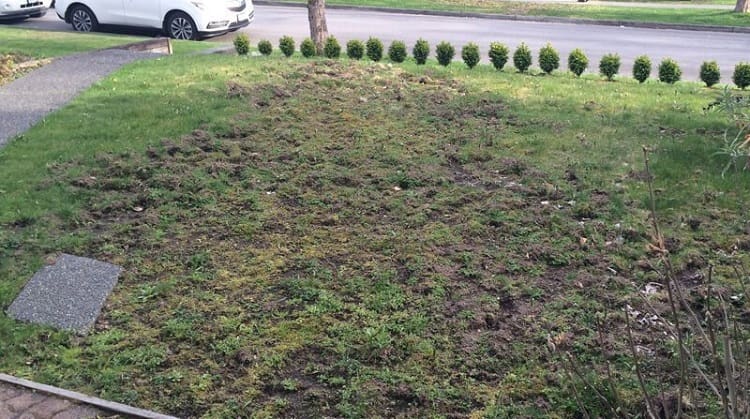
Brown patches on a lawn create stress for many homeowners. The grass may fade, thin out, or collapse in certain spots, and the cause is not always clear. Two common problems are grub activity under the soil and fungal disease on the surface. These problems look alike at first, but they behave very differently once they develop.
Here is a simple guide that helps you identify what is harming your grass and how to separate the signs fast.
1. What Grubs Do Beneath the Grass
Grubs are beetle larvae that feed on grass roots. The roots help the grass carry water and anchor itself in the soil. When grubs chew through them, the grass loses strength quickly.
Here is what usually happens.
The turf begins to wilt. It turns brown in uneven patches. The soil under the damaged area feels loose. When you pull on the grass, it may lift in one sheet because the roots can no longer hold it in place.
USDA soil reports confirm that white grubs remain one of the most common turf pests in the United States. They stay active until the soil cools, which often leads to late-season lawn decline.
Grubs weaken lawns from the bottom up, which means the decline may appear sudden.
2. What Fungus Does on the Surface
Fungal diseases attack the blades and stems. They grow in moisture, warm nights, and areas with heavy thatch. Common lawn fungi include dollar spot, brown patch, rust, and leaf spot.
Here is why fungus spreads.
Overwatering, humidity, or poor airflow allow spores to move from leaf to leaf. The damage shows up as spots, rings, or patches that grow slowly over time.
EPA guidance explains that fungal problems rise when lawns stay wet for long periods. Wet conditions create the right setting for spores.
Fungus stays on the surface. It does not attack the root system the way grubs do.
3. A Simple Test to Separate Both Problems
You can often identify the cause with one quick test.
Grub Damage Test
Lift the edge of a brown patch.
If the turf lifts easily and feels loose, grubs likely destroyed the roots. You may even see white grubs curled in the soil.
Fungus Damage Test
Try the same lift.
If the turf stays firmly attached, the problem sits above the soil. The blades show spots or rings, and the grass does not peel back like carpet.
This single test helps homeowners avoid treating the wrong problem.
4. Mid-Article Insight: A Clear Breakdown of Both Problems
A complete explanation of the signs appears in this helpful guide on grub damage vs fungus damage on grass.
It describes how each issue forms, what the early warnings look like, and how the repair steps differ.
This is often the point when homeowners realize that the same brown patch can come from two very different causes.
5. Visible Signs That Point to Grubs
Grubs cause certain patterns that stand out once you know what to look for:
• Turf detaches from the soil
• The lawn feels spongy
• Birds peck at the ground for larvae
• Brown patches spread in random shapes
• White grubs appear when you peel back the turf
University turf programs, including those at the University of Wisconsin, confirm that these signs match most grub infestations.
The most important sign is the loose, detached turf.
6. Visible Signs That Point to Fungus
Fungal problems show up on the grass blade or across the surface, not in the soil:
• Circular or ring-shaped patches
• Leaf spots with yellow or brown centers
• Web-like growth in early morning moisture
• Slow, spreading decline
• Orange dust on shoes or mower wheels (rust fungus)
These signs match many well-known lawn diseases across the country.
The roots usually stay intact during a fungal outbreak.
7. Why Many Homeowners Confuse Both Issues
Both problems create brown zones. Both may show up during warm months. Both can worsen after heavy rain. This overlap leads to mistakes.
Here is the simple difference.
Grubs destroy the roots, so the grass collapses fast.
Fungus weakens the leaves, so the decline spreads slowly.
Grub damage feels sudden.
Fungal disease feels gradual.
Without a lift test, it is hard to tell the difference.
8. What To Do When You Confirm Grub Damage
Once grubs cause harm, the treatment must reach the soil. Surface sprays do not help.
Experts suggest:
• Apply grub treatments labeled for your region
• Water lightly after applying
• Reseed thin areas
• Keep mowing height stable
• Strengthen the soil with steady watering habits
EPA safety guidance reminds homeowners to follow the product label closely.
Grub repair takes time because roots need to regrow.
9. What To Do When You Confirm Fungus Damage
Fungal problems respond best to changes in moisture and airflow before chemical solutions.
You can take steps such as:
• Water early in the day
• Reduce evening moisture
• Improve airflow with trimming
• Remove extra thatch
• Use fungicides only when needed
University turf specialists often advise fixing moisture and airflow first.
Most fungus issues improve when the lawn dries out and gains better airflow.
10. When You Should Call a Lawn Specialist
Consider getting help when:
• Brown spots return after treatment
• You cannot confirm the cause
• Both root and leaf damage appear
• The lawn declines across a wide area
A lawn specialist can check the soil depth, inspect the roots, and confirm if grubs or fungus created the decline.
This avoids guesswork and stops wasted treatments.
Conclusion
Grub damage and fungus damage produce similar brown patches, but they come from different problems. Grubs destroy the roots, and the lawn collapses fast. Fungus attacks the blades, and the lawn weakens slowly. A quick lift test shows which one you are dealing with.
Once you identify the cause, you can repair the lawn faster and avoid repeating the same problem.
FAQs
1. How can I confirm grub damage fast?
Lift the turf. If it pulls up easily and the roots look eaten, grubs caused the damage.
2. How can I confirm fungus on the lawn?
Check the blades for spots, rings, or morning moisture patterns.
3. Why do both issues look alike?
Both cause brown patches, but grubs harm the roots and fungus harms the surface.
4. Do grubs spread across the whole yard?
They spread when the population grows, but most damage begins in patches.
5. Can fungus clear up on its own?
Yes, if moisture and airflow improve. Fungus grows in damp areas.