
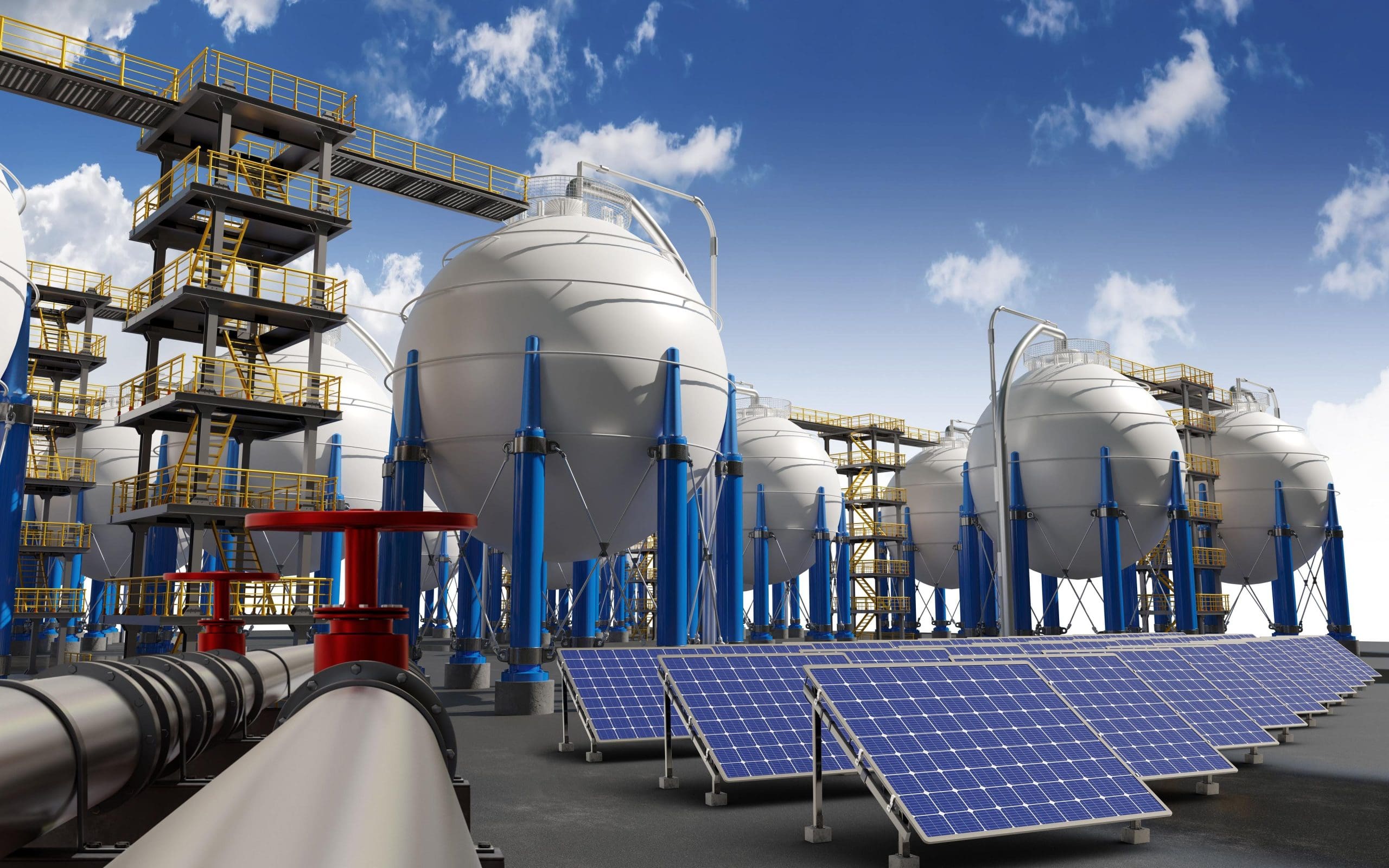
Saudi Arabia is making significant strides in renewable energy with its ambitious investment in green hydrogen, marking a critical step in the Kingdom’s transition towards sustainable industrial development. The latest initiative, a Saudi–Spanish joint venture (JV), aims to build a state-of-the-art electrode manufacturing plant at King Salman Energy Park (SPARK), further strengthening the Kingdom’s position as a regional clean energy hub.
A Strategic Partnership for Innovation
The JV, formed between Jolt Green Chemical Industries and Spain’s Jolt Solutions, collaborates with Dyar Al-Safwah Engineering Consultancy to design and oversee the construction of this advanced facility. This collaboration exemplifies the Kingdom’s commitment to technological transfer, local content development, and the empowerment of national talent. By blending international expertise with local innovation, Saudi Arabia ensures that its green hydrogen sector not only grows but also supports domestic industrial capabilities.
Key highlights of this partnership include:
- Advanced automated production lines to enhance efficiency and precision.
- Dedicated research and development laboratories for continuous innovation.
- Sustainable operational practices, including wastewater reuse and integration of solar energy.
Green Hydrogen: Applications and Benefits
Green hydrogen, produced using renewable energy sources like solar and wind, is a clean and versatile energy carrier. Unlike traditional hydrogen, which relies on fossil fuels and emits carbon dioxide, green hydrogen provides a zero-emission alternative, making it a cornerstone of global decarbonization efforts.
The new plant will produce over 750,000 square meters of high-performance catalyst-coated electrodes annually, crucial for various industrial applications, including:
- Green hydrogen production – Facilitating electrolysis to split water into hydrogen and oxygen using renewable energy.
- Petrochemicals and refining – Enhancing efficiency while reducing carbon footprints.
- Water treatment and desalination – Supporting sustainable water management strategies.
- eFuel and battery technologies – Advancing clean energy storage and electric mobility solutions.
- Pipeline protection and disinfection – Ensuring long-term operational safety and environmental compliance.
By focusing on these diverse applications, Saudi Arabia positions itself as a key player in the emerging global green hydrogen market, aligning with international sustainability trends.
Alignment with Vision 2030
The SPARK plant aligns seamlessly with Saudi Arabia’s Vision 2030, which emphasizes the development of sustainable energy, localization of technology, and economic diversification. The Kingdom aims to achieve 75 percent localization in the energy sector by 2030, reducing dependence on imports and enhancing domestic expertise. By investing in high-tech green hydrogen facilities, Saudi Arabia demonstrates its commitment to a future where clean energy drives industrial growth, job creation, and environmental stewardship.
Economic and Environmental Impact
The anticipated benefits of this initiative extend beyond technological advancement:
- Job creation: Empowering local talent in engineering, research, and production roles.
- Technological advancement: Establishing a knowledge-based ecosystem for renewable energy solutions.
- Environmental sustainability: Significantly reducing greenhouse gas emissions and promoting circular resource management through wastewater recycling and solar integration.
- Global competitiveness: Positioning the Kingdom as a leading exporter of green hydrogen and related technologies.
Future Prospects
Scheduled to commence operations in the second quarter of 2027, the plant represents a forward-thinking approach to industrial transformation. By embracing automation, sustainable practices, and research-driven innovation, the facility sets a benchmark for green hydrogen production in the region. Moreover, the initiative strengthens Saudi Arabia’s ability to meet growing international demand for clean energy solutions, especially as global economies pivot towards decarbonization.
The SPARK project underscores the potential of green hydrogen not just as an energy source but as a catalyst for industrial modernization, sustainable growth, and regional collaboration.
Conclusion
Saudi Arabia’s investment in green hydrogen electrodes at SPARK exemplifies how strategic international partnerships can drive technological innovation and environmental sustainability. By integrating cutting-edge production techniques, renewable energy, and local talent development, the Kingdom is paving the way for a cleaner, more resilient, and economically diversified future. As global interest in green hydrogen intensifies, Saudi Arabia’s forward-looking initiatives position it at the forefront of the renewable energy revolution.