
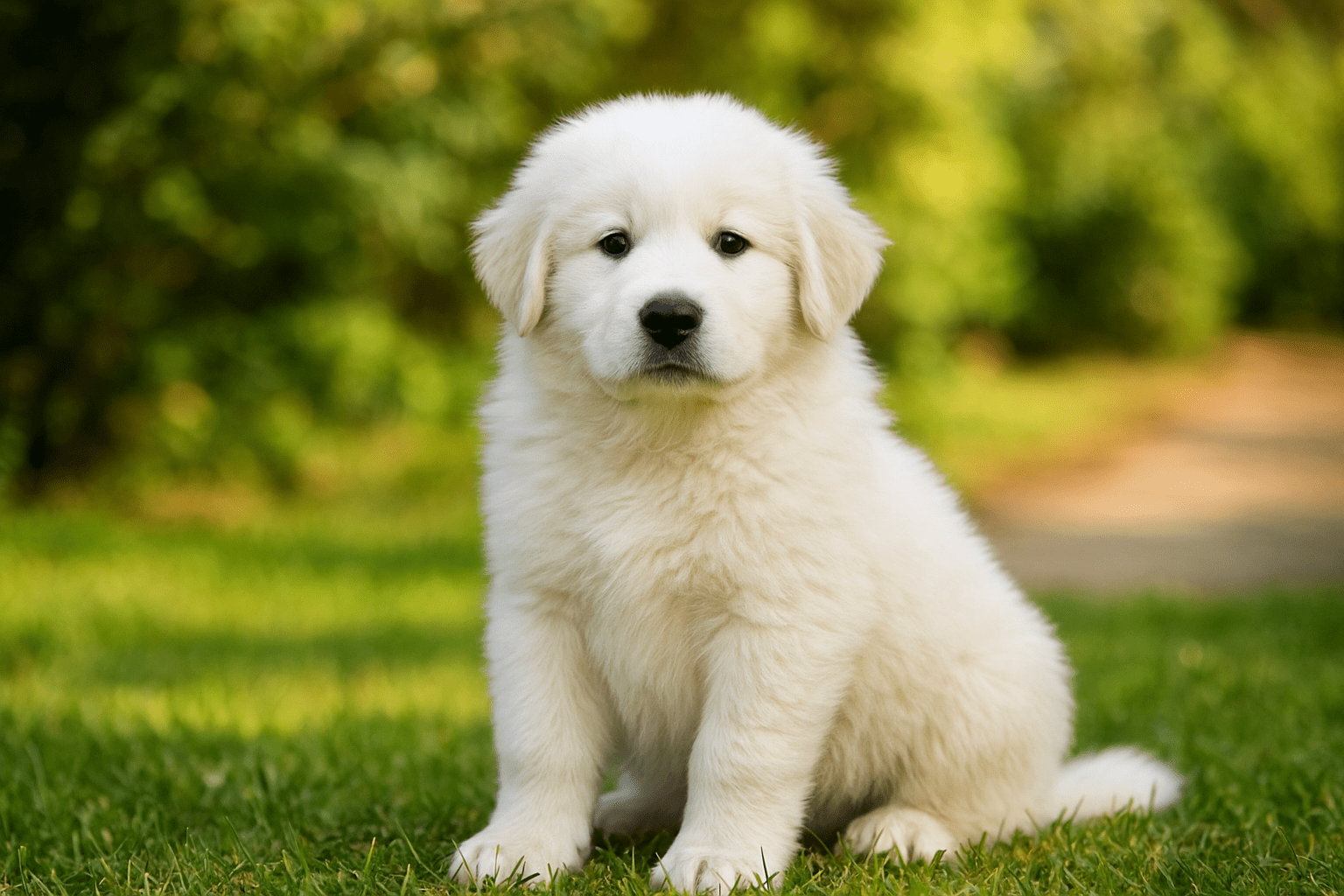
For many California families, the Great Pyrenees puppy has become the perfect mix of calmness, loyalty, and strength. Known as the “gentle giants” of the dog world, these beautiful white-coated dogs are both affectionate companions and dependable protectors. Their kind temperament and majestic presence make them a favorite among pet lovers who value intelligence, patience, and devotion.
This guide provides a complete look at Great Pyrenees puppies — from their history and behavior to care, training, and finding trusted breeders in California.
Breed Overview – Understanding the Great Pyrenees Puppy
The Great Pyrenees is a centuries-old breed originally raised in the Pyrenees Mountains between France and Spain. These dogs were used to guard sheep and livestock, which explains their natural protective instincts and calm alertness.
Appearance: Great Pyrenees puppies are large, fluffy, and strong. Their thick double coats protect them from cold weather and shed moderately throughout the year.
Temperament: They are calm, confident, and affectionate with family members. While they can be independent thinkers, early socialization helps them adapt well to home life.
Key Traits: Intelligence, patience, loyalty, and a strong desire to protect make them ideal for responsible owners who understand large breeds.
Is the Great Pyrenees Puppy Right for You?
Owning a Great Pyrenees puppy is a long-term commitment. These dogs are best suited for owners with open spaces, yards, or access to regular outdoor activity.
Lifestyle Fit: Great Pyrenees puppies love cool environments and are happiest in homes with room to roam. Apartment living can work only if daily exercise is prioritized.
With Kids and Other Pets: They are famously gentle and protective with children. Proper early socialization ensures harmony with other pets.
Climate Considerations: In California’s warmer regions, it is important to provide shade, cool water, and avoid exercise during the hottest hours.
Pros: Affectionate, loyal, and protective.
Cons: Heavy shedders, require patient training, and can be strong-willed.
Where to Find Responsible Breeders and Adoption Options in California
Choosing a trustworthy breeder or adoption agency is one of the most important steps in bringing home a healthy, well-socialized puppy.
Ethical Breeders: Look for breeders who provide proof of health testing, offer clean and safe environments, and allow you to meet both parents. Reputable breeders ensure puppies are vaccinated and socialized before adoption.
Key Questions to Ask:
- Are the parents tested for hip and joint conditions?
- How old are the puppies before they go to new homes?
- What vaccinations and vet visits have been completed?
If you are searching for verified breeders, visit Great Pyrenees puppies on PuppyHero. It lists trusted California breeders who follow responsible breeding practices.
Adoption and Rescue Options:
- Great Pyrenees Rescue of Southern California – Specializes in rehoming and adoption.
- NorCal Great Pyrenees Rescue – Focused on rescuing and fostering Great Pyrenees across Northern California.
For additional guidance, check resources like the California Veterinary Medical Association (CVMA) and the University of California, Davis Veterinary Hospital for reliable health and wellness information.
Preparing for Your Great Pyrenees Puppy
Bringing a Great Pyrenees puppy home requires preparation and planning.
Essential Supplies: Crate, collar and leash, stainless steel bowls, grooming brush, toys, ID tag, and nutritious puppy food.
Puppy-Proofing Your Home: Secure electrical cords, remove hazardous plants, and create a calm corner where your puppy can rest safely.
Veterinary Care: Schedule a vet visit within the first week for a health check, vaccination review, and parasite prevention. California pet owners can find trusted care through the UC Davis Veterinary Hospital or local accredited clinics listed by the CVMA.
Feeding Guidelines: Choose high-quality food made for large-breed puppies. Avoid overfeeding, as rapid weight gain can stress developing joints.
Training and Socialization Tips
Training is essential for a breed as intelligent and independent as the Great Pyrenees. These dogs respond well to calm, confident guidance.
Training Basics:
- Use positive reinforcement, not punishment.
- Keep sessions short but consistent.
- Establish clear rules early to prevent stubborn habits.
Socialization: Introduce your puppy to different people, pets, and environments. Visits to dog-friendly parks or local obedience classes in California help build confidence and reduce anxiety.
Common Challenges: Some Great Pyrenees puppies may bark at new sounds or show strong guarding instincts. Redirecting these behaviors with gentle training and patience ensures balanced growth.
Health and Grooming Care
Healthy care routines help your Great Pyrenees puppy thrive into adulthood.
Common Health Issues:
- Hip and elbow dysplasia
- Bloat (gastric torsion)
- Eye problems and joint stiffness
Preventive Care: Regular vet visits, balanced diet, and moderate exercise are key. California owners should also protect their dogs from heat stress and ensure adequate hydration.
Grooming Routine:
- Brush the coat two to three times per week to prevent mats.
- Bathe only when necessary.
- Trim nails regularly and clean ears to avoid infection.
Exercise Needs: Moderate daily walks and light play sessions keep your puppy healthy without overstraining its joints.
Living with a Great Pyrenees Puppy
Living with a Great Pyrenees puppy is deeply rewarding but requires structure.
Daily Routine Example:
- Morning walk and feeding
- Playtime or light training session
- Afternoon nap in a shaded area
- Evening family time or gentle exercise
Behavioral Stages: As puppies grow, they transition from curious explorers to calm protectors. Patience and consistency help guide this development.
Family Interaction: They form strong bonds with family members and thrive on inclusion in daily life. Avoid isolating them, as they enjoy companionship and purpose.
Frequently Asked Questions
1. How big do Great Pyrenees puppies get?
Adult males typically weigh 100–120 pounds, while females average 85–100 pounds.
2. Are Great Pyrenees good with other dogs?
Yes, with proper socialization they coexist peacefully with other pets.
3. How much exercise do they need?
One or two moderate walks daily are sufficient. Avoid heavy exercise in heat.
4. What should I feed them?
Feed large-breed puppy food that supports joint and bone health.
5. Do Great Pyrenees bark a lot?
They can be vocal when guarding. Early training helps manage barking behavior.
6. Are they suitable for apartment living?
They can adapt with enough daily exercise and calm routines, but a yard is preferable.
Conclusion
Great Pyrenees puppies are majestic, loyal companions for families who can meet their needs for space, training, and care. They reward patience with unwavering devotion and protection. With responsible ownership, consistent training, and proper grooming, these gentle giants can bring warmth, security, and joy to any California home.
For further learning, explore trusted resources like the American Kennel Club, Great Pyrenees Club of America, and the Great Pyrenees puppies directory for California-specific guidance.